
Milk Thistle: Evidence, Supplement Quality and Safety
What milk thistle and silymarin supplements can and cannot do for the liver, how to judge product quality, and who should avoid them.


Key Takeaways
- Evidence that milk thistle improves liver health in most people remains uncertain.
- Silymarin extracts vary in strength and quality, so products are hard to compare.
- Side effects include digestive upset and allergy, especially with ragweed allergy.
- It cannot detox the liver or make heavy drinking safe; see a doctor for liver symptoms.
Milk thistle contains a group of compounds commonly called silymarin and is widely promoted for liver health. Research results are mixed, products vary widely and it should never replace diagnosis or treatment for liver disease. This guide looks at milk thistle as a supplement: what the evidence shows, how to judge a product and the safety points to check first. For its traditional place in Ayurveda, see our separate milk thistle monograph.
What silymarin means
Silymarin is a mixture of compounds extracted mainly from milk-thistle seeds, not one single chemical. Extracts differ in concentration and in how well they are absorbed, so one capsule cannot be assumed to match another. This is one reason studies are hard to compare and labels can be confusing.
What studies actually show
Trials have examined milk thistle in several liver conditions. Differences in preparation, dose and study quality mean the results do not add up to a confident promise of benefit for everyone. Some studies report small changes, while others find no meaningful difference.
When you read a claim, ask which extract was used, for how long, in whom, and what was actually measured. Online summaries and product labels often leave these details out.
It does not detox the liver
The liver already processes and removes many substances on its own. A supplement cannot cancel the effects of alcohol, an unsuitable medicine or an ongoing viral or metabolic liver condition. Labels that promise to "cleanse" or "detox" the liver are marketing language rather than established effects.
Liver tests need interpretation
ALT and AST are liver enzymes that can rise for many reasons, including alcohol, some medicines, fatty liver and infection. A small change after starting a supplement does not prove repair. Clinicians interpret trends alongside symptoms, history and other investigations, so tell whoever orders or reviews your tests about any supplement you take.
Product quality matters
Supplements are not checked in the same way as medicines before they are sold. When comparing milk thistle products, look for:
- a clearly stated extract and amount per serving
- a named manufacturer with contact details
- evidence of independent quality testing
- realistic wording without cure or cleanse promises
Proprietary blends that hide individual amounts, and dramatic detox claims, make informed comparison harder. A higher price does not guarantee a better product.
Digestive and allergic effects
Milk thistle can cause nausea, bloating, diarrhoea, itching or headache. People allergic to plants in the ragweed family, such as chrysanthemums, marigolds and daisies, may have a higher chance of an allergic reaction. Stop and seek advice if a rash, swelling or breathing difficulty appears.
Medicine interactions
Laboratory research suggests milk thistle may affect the pathways the body uses to process some medicines, although how much this matters in practice varies. Milk thistle may also lower blood sugar in people with type 2 diabetes, which matters for anyone taking glucose-lowering medicines. Ask a pharmacist or doctor to review it alongside your regular medicines before you start.
Pregnancy, breastfeeding and long-term use
Safety evidence during pregnancy, breastfeeding and prolonged use is limited. Natural origin is not enough to establish safety in these situations, so avoid it unless a clinician advises otherwise.
Alcohol and supplement expectations
Taking milk thistle before or after alcohol does not make heavy drinking safe, prevent intoxication or guarantee protection from liver injury. Anyone worried about their drinking should discuss the pattern honestly with a clinician. Sudden withdrawal after regular heavy intake can be dangerous and may need supervised care.
Better support for liver health
The habits with clearer roles in liver health are less exciting than a capsule: limiting alcohol, reaching and keeping a suitable weight, staying physically active and managing diabetes and blood lipids. For fatty liver in particular, these steps are the foundation of care, and a supplement should never be used as a reason to delay them.
When to seek medical care
Some symptoms need prompt assessment rather than another supplement:
- yellowing of the skin or eyes (jaundice)
- dark urine or pale stools
- swelling of the abdomen or legs
- vomiting blood
- confusion
- severe abdominal pain
Editorial sources
Frequently Asked Questions
Related Articles
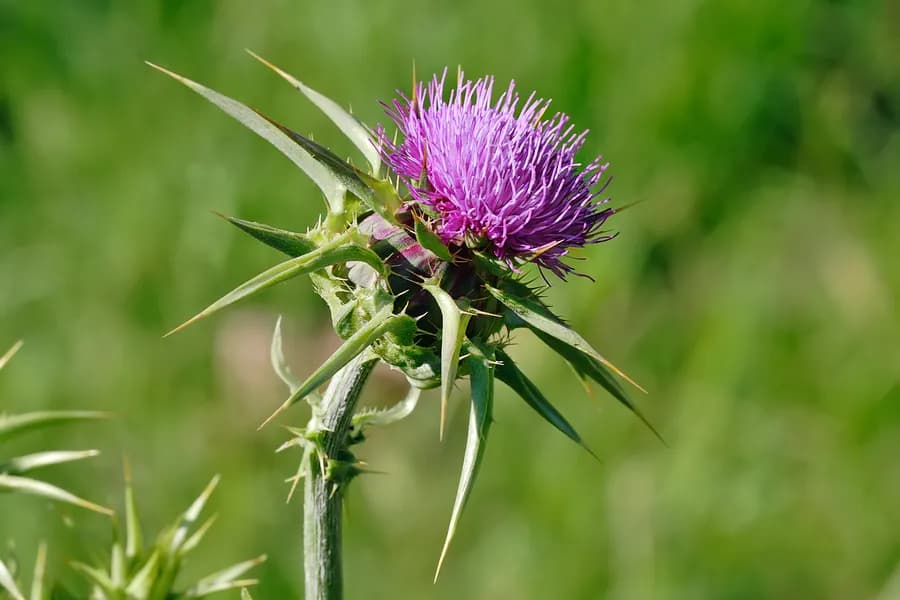
Milk Thistle: Benefits, Uses & Ayurvedic Properties
Milk Thistle (Silybum marianum) is the world’s most researched liver-protective herb. Discover its hepatoprotective, antioxidant, and cholesterol.

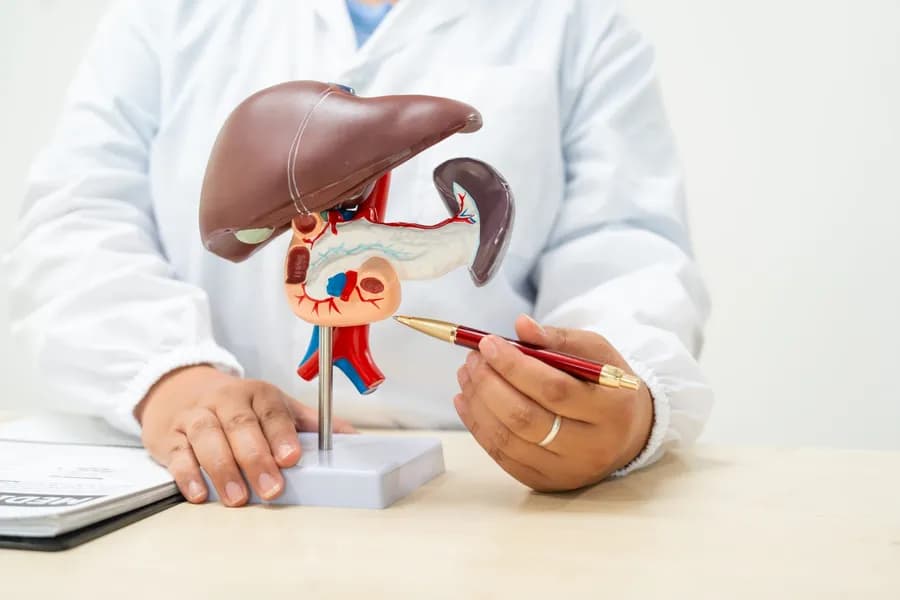
How to Reduce Fatty Liver: 7 Natural Ways to Heal an Inflamed Liver
The liver is one of the most regenerative organs in the body, and fatty liver responds dramatically to consistent lifestyle change. See 7 natural ways to heal an inflamed liver.

Liver Detox Foods and Drinks That Actually Support Liver Health
Your liver detoxifies your blood every day on its own — what food can do is lighten its workload. See the foods and drinks with real evidence behind them.