
Millet pulao with kala chana: a delicious one-pot lunch
Millet pulao with kala chana combines the grain and the protein in one pot — foxtail or little millet, boiled black chana, and mixed vegetables. See the.
Key Takeaways
- Combines foxtail or little millet with boiled kala chana for grain plus protein.
- Soak kala chana overnight and boil it separately so the millet doesn’t overcook.
- Vegetables add colour and volume, keeping the dish from being only grain and beans.
- There’s no single compulsory lunch time – eat when your routine allows, unhurried.
- Serve with curd, raita, or a simple salad instead of making several separate dishes.
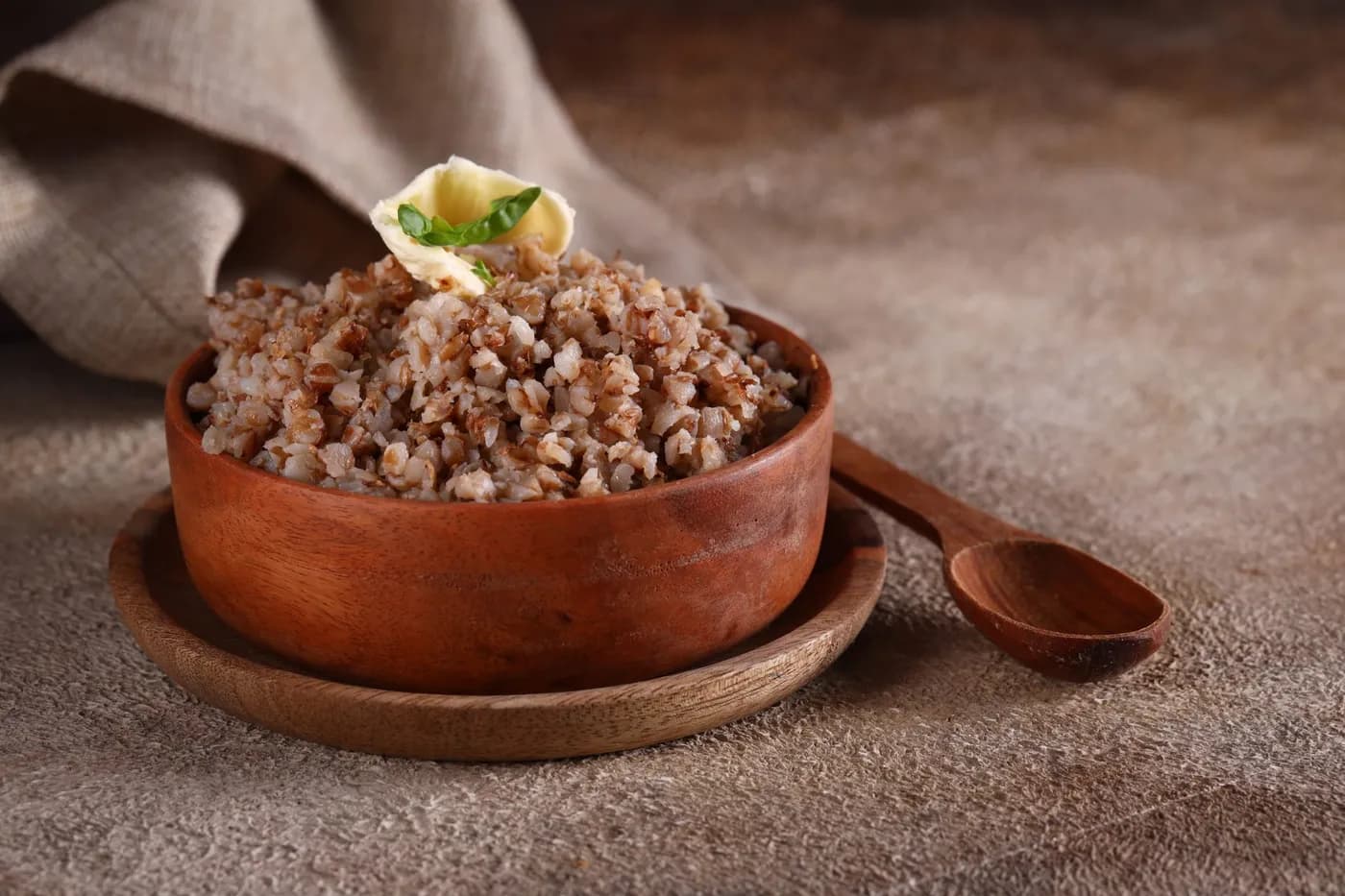
Millet pulao with kala chana is a one-pot lunch made with foxtail or little millet, boiled black chana and mixed vegetables. Jeera, hing, ginger and green chilli give it a simple pulao flavour, while lemon and coriander are added at the end.
The combination is useful because the millet provides the grain part of the meal and kala chana provides vegetarian protein and fibre. Vegetables add colour and volume. You can serve the pulao with curd, raita or a simple salad instead of making several separate dishes.
The image suggests eating the heaviest meal between 12 and 2 PM, based on a traditional idea about digestive fire. Many people do prefer a larger lunch, but there is no single compulsory clock time for everyone. Eat when your routine allows, leave enough time to chew and choose a portion that feels comfortable.
Why millet and kala chana work in one pot
Millets are cereal grains, so they mainly provide carbohydrate along with varying amounts of fibre and minerals. Kala chana adds protein and makes the pulao more filling. The vegetables stop the dish from becoming only grain and beans.
The Indian dietary guidelines 2024 encourage variety in cereals and millets as well as regular pulses. This does not mean millet must replace rice every day. Rotating rice, wheat and different millets is a more practical habit.
Choose the millet you can cook well
Foxtail millet and little millet both work. Their water needs can differ by brand and age, so check the packet and note your result. The best millet is the one that becomes tender without turning into paste.
Ingredients and advance preparation
- 1 cup foxtail or little millet, soaked
- 1 cup kala chana, soaked overnight and boiled
- 1 cup chopped vegetables such as carrot, beans or peas
- 1 teaspoon ghee or cooking oil
- Jeera and a pinch of hing
- Ginger-chilli paste
- Salt, turmeric and coriander
- About 2 cups water, adjusted as needed
- Lemon for finishing
Soak the millet
The image recommends an eight-hour soak. That can shorten cooking, though some millets need less time. Rinse the soaked millet until the water runs clearer, then drain well.
Cook the chana first
Kala chana takes much longer than millet, so soak it overnight and pressure cook it until soft before starting the pulao. This prevents the millet from overcooking while the chana stays hard.
How to make kala chana millet pulao
- Heat ghee or oil in a pressure cooker on medium-low heat.
- Add jeera and hing. When the jeera sizzles, add ginger-chilli paste.
- Add the chopped vegetables and cook for two to three minutes.
- Add the boiled kala chana, drained millet, turmeric and salt. Mix gently.
- Add about two cups of water, or the quantity that suits your millet.
- Close the cooker and cook for about three whistles on medium heat. Let the pressure release naturally.
- Open and fluff gently. If the millet is still firm, sprinkle a little hot water and cook covered for a few more minutes.
- Turn off the heat, add lemon juice and garnish with coriander.
Pressure cookers vary, so use the three-whistle suggestion as a starting point. Too much water can make the pulao sticky. Too little can leave it dry. Record the ratio that works for your usual millet brand.
How to serve and portion the pulao
This is a dense one-pot meal because it contains both grain and chana. Start with a moderate bowl rather than filling the plate. Add cucumber-tomato salad, curd or a thin raita for freshness.
Lunch plate ideas
- Millet pulao + cucumber raita
- Millet pulao + sprouts and pomegranate salad
- Millet pulao + plain curd + lemon pickle in a tiny amount
- Millet pulao + cooked seasonal sabzi when you want more vegetables
The My Plate guide is a useful check: even when a recipe contains several food groups, vegetables should not disappear. Increase the chopped vegetables or add salad on the side.
Storage, reheating and digestion tips
Cool and refrigerate promptly
Cooked grains and pulses should not sit warm for many hours. Cool leftovers, transfer them to a covered container and refrigerate. Use within one to two days.
Reheat with moisture
Millet can dry in the fridge. Sprinkle a spoon of water before reheating, cover and heat until steaming. Add fresh lemon and coriander after reheating.
Reduce heaviness
Use well-cooked chana, chew slowly and keep the portion moderate. If the combination still feels heavy, use half the chana or replace some with moong dal. Soaking and gradual increases can help the gut adjust to fibre.
The meal does not need extra fried snacks on the side. Simple food often works best when the portions are clear and the added fat is measured.
Millet can taste dry when the pulao has too little vegetable or fat. Instead of pouring in more ghee, add juicy vegetables such as tomato, bottle gourd or capsicum and serve with curd. This improves moisture while keeping the added fat measured. If you are new to millet, mix half millet and half rice for the first few attempts and slowly change the ratio.
Frequently Asked Questions
Related Articles

Healthy fats: why your body needs fat
Healthy fats help your body absorb vitamins and support brain, hormones, joints, cells and daily meals. Learn simple vegetarian sources and habits.

Good fats vs bad fats: choose fats wisely
Understand good fats vs bad fats in simple words. Learn which vegetarian fats to choose, what to reduce and how to read food labels better.
