
NAC Supplements: Uses, Evidence and Important Safety Notes
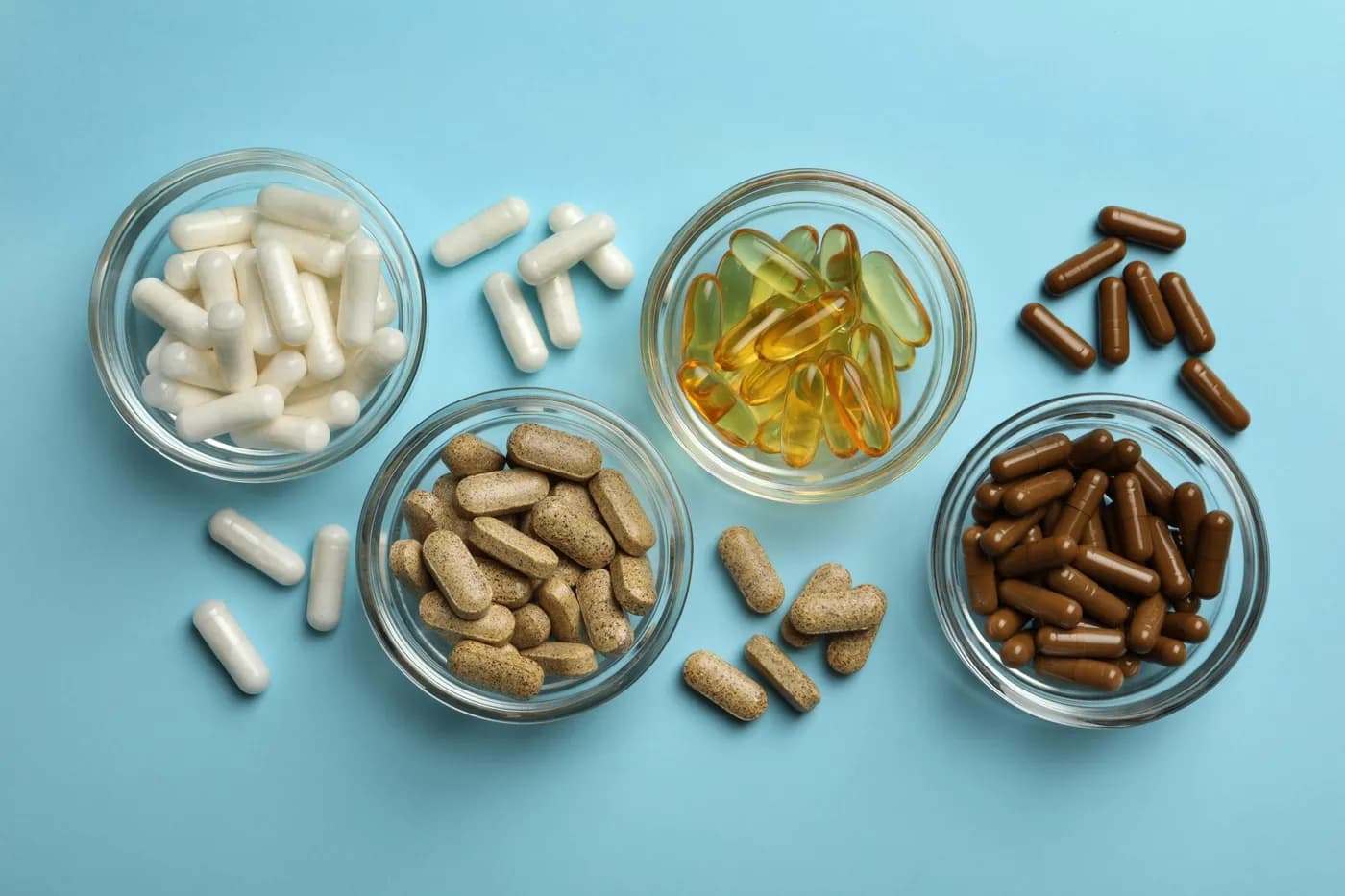
N-acetyl cysteine, or NAC, is a form of the amino acid cysteine. In medical care it is used for specific conditions, including acetaminophen poisoning.
Key Takeaways
- NAC has specific medical uses under professional supervision.
- Supplement findings cannot be applied to every condition or product.
- Oral products can cause nausea, diarrhoea and other side effects.
- Interactions and health conditions can make self-treatment risky.
- Food provides cysteine through protein; most people do not need NAC for basic nutrition.
N-acetylcysteine, or NAC, is a manufactured form of cysteine. It has established medical uses, including acetaminophen poisoning and loosening thick mucus. This does not make every NAC supplement necessary for daily use.
An NAC supplement is promoted for “detox,” immunity, respiratory health, fertility and mental wellbeing. Evidence varies greatly by condition, dose and route of administration. This guide separates established medical care from less certain wellness claims.
What is NAC?
The body uses cysteine to make proteins and glutathione. An NAC supplement supplies a cysteine derivative, while medical acetylcysteine serves specific purposes.
In acetaminophen overdose, clinicians use acetylcysteine promptly to reduce liver-injury risk. Anyone who may have taken too much needs emergency care, not an NAC supplement bought for self-treatment.
Acetylcysteine can also be prescribed or administered to thin mucus in certain respiratory situations. Inhaled, intravenous and oral forms are not interchangeable. A dose used in a hospital cannot be copied from an online wellness routine.
NAC supplement nutrition: what the label does not explain
An NAC supplement is not a replacement for protein-rich food. Vegetarian sources of protein and amino acids include dals, beans, chickpeas, soy, tofu, paneer, curd, nuts, seeds and whole grains. The body uses these foods for many functions beyond glutathione production.
Most healthy people eating adequate protein do not need an NAC supplement to prevent deficiency. If intake is low, improve the meal pattern first using Habuild’s protein-rich vegetarian foods.
“Antioxidant” can be misleading: more activity is not automatically better, and laboratory findings do not prove that an NAC supplement prevents disease or ageing.
Established medical use versus supplement claims
Acetaminophen poisoning
This is the clearest medical application. Timing, blood tests and monitoring matter. Do not wait for symptoms because liver injury may develop before a person feels unwell.
Thick mucus and respiratory conditions
By breaking certain chemical bonds in mucus, acetylcysteine can make secretions less thick. It may be used medically in selected patients, but it is not a general cure for cough, asthma, infection or breathlessness.
People with asthma need care because inhaled forms can trigger bronchospasm. New or severe breathing symptoms require assessment.
Mental-health research
Researchers have studied an NAC supplement as an add-on for several mental-health conditions. Results are mixed, and possible NAC supplement benefits do not justify replacing therapy or prescribed medicines.
Mental-health symptoms deserve qualified care. Abruptly stopping a psychiatric medicine or adding multiple supplements can create risks and make it harder to understand what is helping.
Fertility and metabolic health
Studies examine NAC in PCOS, fertility and insulin resistance, but findings do not support one NAC supplement for everyone. These concerns need diagnosis rather than a generic “hormone balance” plan.
Immunity and detoxification
Marketing often uses the liver’s role in processing substances to claim that NAC “detoxes” the body. Medical treatment of a specific poisoning is not evidence that routine supplementation removes vague toxins from healthy people.
It also does not prevent every infection or replace vaccination, sleep, adequate food and medical care. These broad NAC supplement benefits remain less certain than advertisements suggest.
How to use NAC supplements safely
The safest first question is not “what dose?” but “what exact problem am I treating?” Discuss the reason with a doctor or pharmacist, particularly if symptoms are ongoing or you use regular medicines.
If a clinician recommends a product:
- confirm the form, dose and duration in writing;
- choose a clearly labelled product from a reputable manufacturer;
- avoid combining several products containing the same ingredient;
- record other medicines, herbs and supplements you use;
- do not copy intravenous or inhaled medical doses;
- stop and report significant side effects; and
- review whether continued use is still necessary.
A label does not prove an NAC supplement treats the condition shown in advertising. Habuild’s everyday diet and nutrition guide provides a food-first framework.
Dosage and timing
There is no universal NAC supplement dose. Trials use different amounts and formulations, while medical poisoning treatment follows a separate protocol.
Taking NAC with food may reduce nausea for some people, but follow the clinician’s or product’s instructions. A strong sulphur-like smell is characteristic and does not necessarily mean spoilage; however, damaged packaging, unexpected colour change or an expired product should not be used.
Do not increase the amount because an effect is not immediately noticeable. More can mean more digestive symptoms and interaction risk without added benefit.
Side effects and interactions
Common oral side effects can include nausea, vomiting, diarrhoea, abdominal discomfort and an unpleasant taste or smell. Headache, rash or low blood pressure may occur. Serious allergic-type reactions require urgent care.
NAC may interact with nitroglycerin and can affect blood pressure. It may also matter for medicines or conditions involving bleeding, although evidence and clinical relevance vary. Tell a doctor or pharmacist about anticoagulants, antiplatelet medicines and all other supplements.
Seek advice before use if you:
- have asthma, wheezing or a history of bronchospasm;
- have a stomach ulcer or significant digestive disease;
- take nitroglycerin or blood-pressure medicine;
- take medicines affecting bleeding;
- are pregnant, breastfeeding or trying to conceive;
- are preparing for surgery; or
- have liver, kidney or another chronic condition.
Seek emergency help for breathing difficulty, facial swelling, faintness or widespread hives. Persistent vomiting, severe dizziness or unusual bleeding also needs medical attention.
What an NAC supplement cannot do
It cannot compensate for inadequate sleep, a very restricted diet, smoking, unmanaged stress or missed medical treatment. It should not be used to cover persistent cough, fatigue, low mood or fertility difficulties without assessment.
A supplement can also create false reassurance. If a symptom continues, finding the cause matters more than adding another capsule. Small daily habits around food, movement and sleep can support wellbeing, but they are not substitutes for diagnosis either. Habuild’s guide to building sustainable food habits may help with the routine side.
Editorial sources
Frequently Asked Questions
Related Articles

Healthy fats: why your body needs fat
Healthy fats help your body absorb vitamins and support brain, hormones, joints, cells and daily meals. Learn simple vegetarian sources and habits.

Good fats vs bad fats: choose fats wisely
Understand good fats vs bad fats in simple words. Learn which vegetarian fats to choose, what to reduce and how to read food labels better.
