North Indian Food Guide: A Nutritional Look at the Cuisine
North Indian food isn’t one dish — it’s an eating pattern built around wheat rotis, lentil dals, and vegetable sabzis, though restaurants often rework it.

Key Takeaways
- ‘North Indian food’ is an eating pattern – roti, dal, sabzi, and dairy – not one dish.
- Home-style meals are typically far lighter than the same dishes reworked in restaurants.
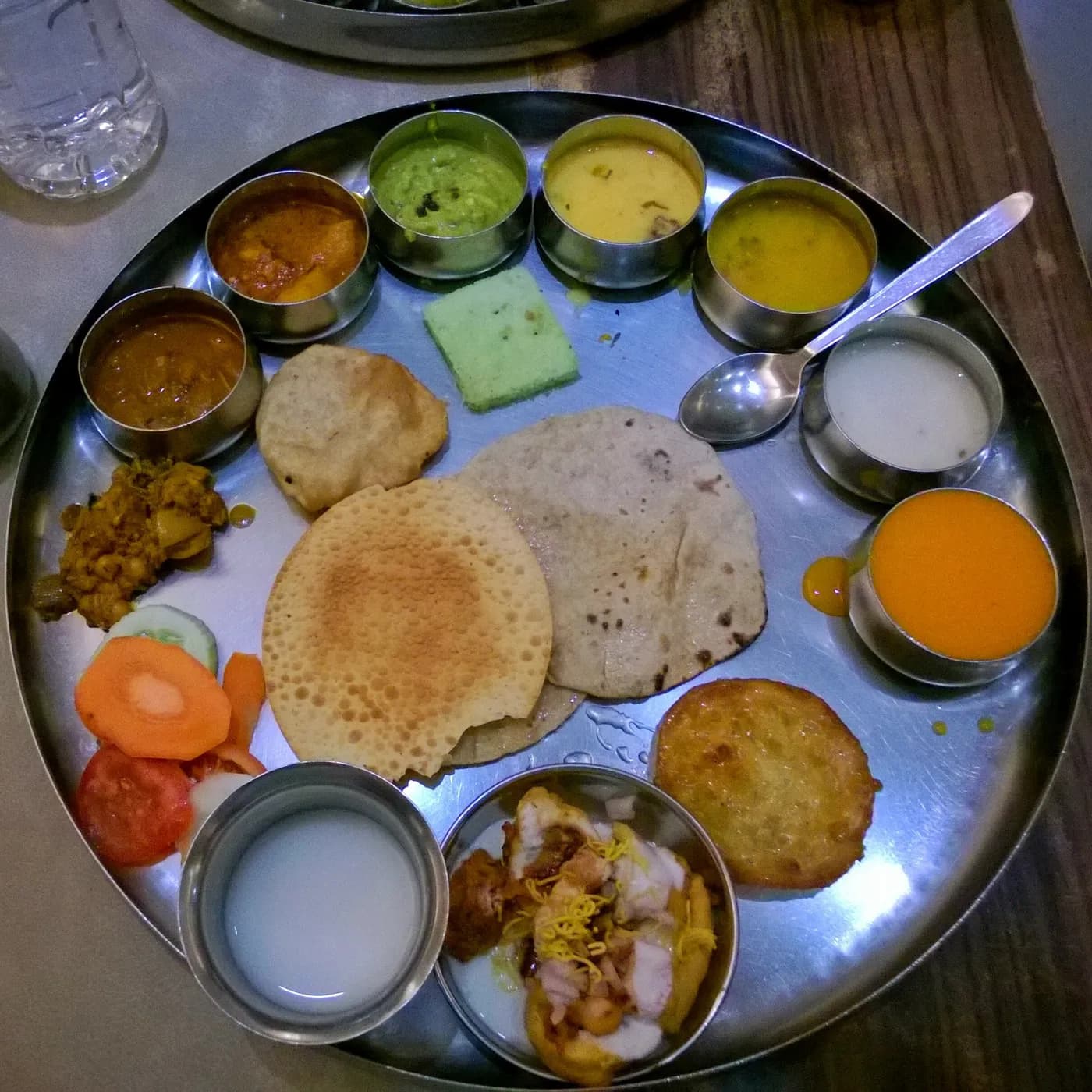
- A typical thali covers grain, legume, and vegetable, plus dairy in one plate.
- Whole wheat atta in daily rotis adds fibre without any special effort.
- Dal paired with wheat or rice forms a fairly complete amino acid profile.
Any north indian food guide worth reading has to start with a simple truth: “North Indian food” isn’t one dish, it’s an entire eating pattern built around wheat rotis, lentil dals, vegetable sabzis, dairy, and a lot of regional variation from Punjab to Uttar Pradesh to Delhi. At home, this combination tends to be genuinely balanced. In restaurants, the same categories of food often get reworked with far more ghee, butter, and cream. Understanding the difference is the most useful thing you can take from this north indian food guide.
North Indian Food Guide: At a Glance
- Roti and paratha — wheat-based flatbreads that supply complex carbohydrates and fiber; plain roti is far lighter than a ghee-laden paratha.
- Dal — lentils like toor, moong, masoor, and chana form the primary plant protein source across nearly every North Indian meal.
- Sabzi — cooked vegetable dishes, ranging from dry stir-fries (sookhi sabzi) to gravy-based preparations, that vary widely in oil content.
- Paneer — a fresh, unaged dairy protein used in both light home preparations and rich restaurant curries.
- Rice — usually a secondary carbohydrate to wheat, often served alongside dal (dal-chawal) rather than as the meal’s centerpiece.
- Dairy — curd, buttermilk (chaas), and milk appear daily, contributing calcium, protein, and probiotics.
- Pickles and chutneys — used in small quantities for flavor, but often high in salt and oil.
- Home-style vs. restaurant-style — the single biggest variable any north indian food guide has to account for, since the same dish name can mean very different things depending on where it’s cooked.
What Makes North Indian Food Generally Balanced
A typical North Indian home thali brings together all three macronutrients without much effort: roti or rice for carbohydrates, dal or paneer for protein, sabzi for fiber, vitamins, and minerals, and a small portion of curd on the side. This combination — grain plus legume plus vegetable plus dairy — is close to what most nutrition guidelines recommend for a complete plate. The use of whole wheat atta (rather than refined flour) in daily rotis also means a reasonable amount of fiber makes it into the diet without any special effort. Seasonal vegetables, cooked simply with turmeric, cumin, and a modest amount of oil, deliver a wide range of micronutrients across the week rather than relying on a handful of repeated staples. This everyday combination is exactly what any north indian food guide should be pointing to first.
Dal itself deserves specific mention in any north indian food guide, because it’s arguably the backbone of the entire diet. It’s inexpensive, widely available, naturally low in fat, and combined with wheat or rice, it forms a fairly complete amino acid profile — something that matters a lot in a largely vegetarian food culture, and it’s a point worth underlining in any north indian food guide aimed at vegetarians.
This grain-plus-legume-plus-vegetable formula isn’t unique to North India, either — a Gujarati food list leans on a similar variety, just built around dhokla and thepla instead of roti, while a Punjabi khana guide shows the same principles pushed further with rajma and saag.
Photo: Asif Saleh, CC BY-SA 4.0, via Wikimedia Commons
Where It Gets Richer: Restaurant-Style vs. Home-Style
This is the part that’s easy to gloss over, so it’s worth being direct about it. Restaurant and dhaba versions of North Indian staples are often cooked very differently from what a home kitchen makes on a Tuesday evening. A butter naan, a paneer butter masala finished with cream, or a dal makhani simmered overnight with butter and cream can carry several times the fat and calories of their home-style counterparts. Parathas stuffed with potato or paneer and shallow-fried in generous ghee are a treat food, not an everyday one, even though they look similar to a simple phulka on the plate. Any north indian food guide that skips this restaurant-versus-home distinction is missing the part that actually affects your calorie count the most.
None of this means these dishes are “bad” — rich, ghee-forward food has always had a place in North Indian celebrations and special meals. The honest takeaway is just that restaurant-style North Indian food and home-style North Indian food are, calorically, almost two different cuisines wearing the same names. If you eat out often, it helps to notice which dishes are the rich versions (butter-based gravies, deep-fried starters, sweetened lassi) versus the lighter ones (tandoori preparations, plain dal, roti, salads, and grilled paneer).
Building a Balanced Plate: A Practical North Indian Food Guide
Any practical north indian food guide comes down to the same everyday approach: lean on the home-style basics — two rotis made from whole wheat atta, a bowl of dal or a legume-based sabzi, a portion of seasonal vegetable, and curd or buttermilk. Adding a side of raw salad — cucumber, onion, tomato — is a small habit that boosts fiber and hydration without changing the character of the meal at all. When richer dishes do show up, whether at a wedding or a restaurant meal, portioning them alongside simpler sides (plain rice or roti instead of naan, salad instead of a second fried item) keeps the overall meal more balanced without requiring you to skip the foods you enjoy — the whole point of following a north indian food guide rather than a rigid diet plan.
Frequently Asked Questions
Related Articles

Yoga Nidra for Beginners: A Complete Guide
Yoga nidra, or yogic sleep, is one of the easiest ways into meditation — no sitting, no posture discipline, just lying down and following a guide's voice. Try a guided yoga nidra session with Habuild.

How to Digest Food Fast: 7 Natural Methods That Work
Slow digestion produces bloating, fatigue, and discomfort — movement, position, and dietary tweaks speed up digestive transit. See 7 natural methods that


Anantmool (Indian Sarsaparilla): Benefits, Uses & Ayurvedic Properties
Explore Anantmool (Indian Sarsaparilla) in Ayurveda, including traditional uses, properties, preparation guidance, side effects and precautions.