
Yoga Nidra for Beginners: A Complete Guide
Yoga nidra, or yogic sleep, is one of the easiest ways into meditation — no sitting, no posture discipline, just lying down and following a guide's voice. Try a guided yoga nidra session with Habuild.
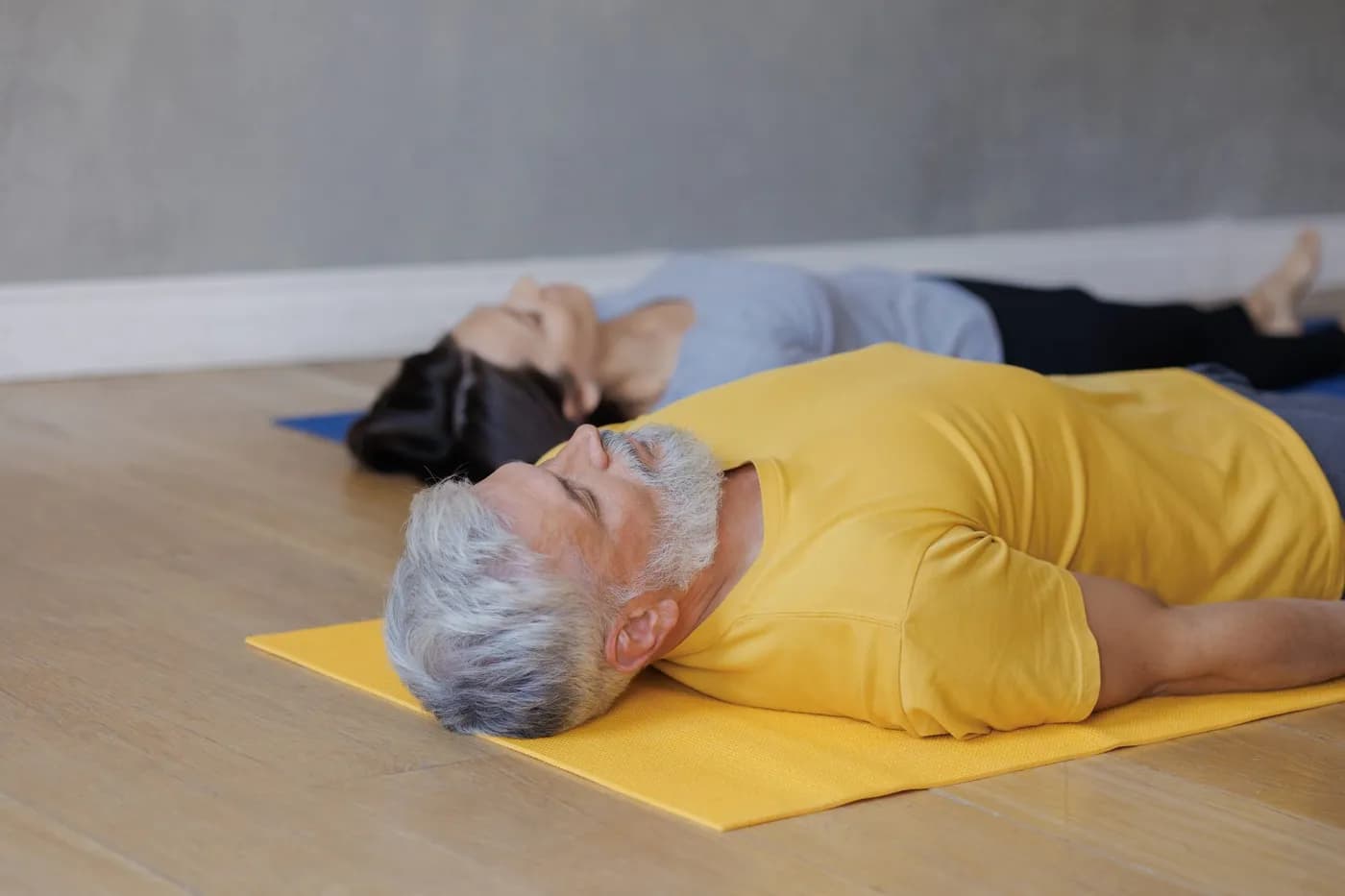
Key Takeaways
- Yoga nidra is guided ‘yogic sleep’ practiced lying down between waking and sleep.
- Requires no sitting posture – just follow a voice through body awareness.
- Begins with a short intention (sankalpa) stated once, then let go.
- Sessions typically run 20 to 45 minutes and shouldn’t be near bedtime.
- Uses a ‘rotation of consciousness’ to move attention through the body.
- Keep a light blanket handy – body temperature drops during deep relaxation.
Yoga Nidra, often translated as “yogic sleep,” is a deeply restorative guided practice done lying down, moving your awareness systematically through the body while staying in a state between waking and sleep. Yoga nidra for beginners is one of the most accessible entry points into meditation, precisely because it requires no sitting, no posture discipline, and simply asks you to follow a guiding voice.
How Yoga Nidra for Beginners Works
A typical session involves lying down comfortably, setting a brief intention (called a sankalpa), and then following a guide’s voice as it directs your awareness through different body parts, breath patterns, and sensations, all while you remain conscious but deeply relaxed — not quite asleep, not quite fully awake. This structure is exactly what makes yoga nidra for beginners so approachable compared to seated practice.
What’s actually happening physiologically is a shift toward the slower brainwave states associated with the edge of sleep, while a thread of awareness stays present enough to keep following the voice. That’s the whole trick behind yoga nidra for beginners: your body gets the deep, parasympathetic rest that usually only happens during sleep, but your mind stays just alert enough to remain a participant rather than drifting off entirely. The traditional sequence — known as the “rotation of consciousness” — moves attention rapidly through dozens of body parts, which keeps the mind lightly occupied enough that it doesn’t wander into planning, worrying, or replaying the day, the way it often does the moment you lie down and try to simply “relax.”
Trying It as a Complete Beginner
Yoga nidra for beginners is almost always guided, at least initially — following a recorded voice is the standard and recommended way to start, since the practice’s specific sequence and pacing matter. Sessions typically run 20 to 45 minutes and are usually done lying flat, ideally not right before actual bedtime unless sleep is the goal, since the deep relaxation can sometimes lead to genuinely falling asleep.
Here’s a straightforward way to try your first session of yoga nidra for beginners:
- Lie down on your back somewhere you won’t be disturbed for the full length of the recording — a bed, a mat, or even a carpeted floor with a cushion under your knees if your lower back needs support.
- Cover yourself with a light blanket. Body temperature drops slightly during deep relaxation, and beginners often stop the session early simply because they got cold.
- Set a short, positive sankalpa before you begin — a simple present-tense phrase like “I am at ease” — and let it go once you’ve stated it. You don’t need to keep repeating it through the whole session.
- Press play and simply follow the voice. If your mind wanders off the instructions for a stretch, that’s completely normal; just return your attention to the guide’s voice whenever you notice.
- Resist the urge to move around or check the time. Stillness is part of what allows the deep relaxation to build.
The single most common mistake in yoga nidra for beginners is choosing a 45-minute session on the first try and feeling defeated when attention drifts constantly. Starting with a 20-minute guided recording gives you a complete experience of the practice without asking for more sustained stillness than a first attempt can reasonably offer. Another common misstep is practicing yoga nidra for beginners sitting up “to stay more alert” — this defeats the purpose, since the full-body relaxation response depends on lying down with the body fully supported.
Finding Yoga Nidra Near You
A search for yoga nidra near me or yoga nidra classes near me can connect you with in-person sessions, which some beginners find helpful for experiencing the practice’s full depth in a supported group setting, though many excellent guided recordings are also available for practicing at home. In-person sessions are particularly useful if you find your mind resists a recorded voice, or if you’d like a teacher who can adjust pacing and check in on your experience directly.
Photo: Akhlispurnomo, CC BY-SA 3.0, via Wikimedia Commons
Yoga Nidra vs. Meditation vs. a Nap
It’s easy to lump yoga nidra for beginners in with either sitting meditation or an ordinary nap, but it’s meaningfully different from both. Seated meditation typically asks you to stay upright and alert, actively directing attention to a breath or object; yoga nidra removes that effort almost entirely, asking you only to follow along while lying down. A nap, on the other hand, involves your mind and body both switching off into unconsciousness, with none of the sequenced awareness that yoga nidra deliberately maintains. That’s why a 30-minute yoga nidra session often leaves people feeling more clearly rested than a 30-minute nap of similar length — the guided structure appears to produce a distinct kind of restoration rather than simply cutting consciousness off for a while.
Yoga Nidra and Sleep
Because of its deeply relaxing nature, yoga nidra for beginners shares a lot in common with sleep-focused meditation. Our guide on meditation for sleep covers a closely related, simpler bedtime practice if yoga nidra’s longer format doesn’t fit your schedule.
Who Should Be a Little Cautious
Yoga nidra is gentle and low-risk for almost everyone, but a couple of situations are worth flagging. If you’re working through significant trauma, some practitioners find that the deep, undefended relaxed state can bring up difficult emotions or memories unexpectedly; if that happens, it’s worth practicing with a trained teacher present rather than alone, at least at first. And if you tend to fall asleep the moment you lie still, doing yoga nidra for beginners during the day when you need to stay alert afterward for work or driving probably isn’t the right slot — save it for evenings or a dedicated rest period instead.
Frequently Asked Questions
Related Articles

How to Get Deep Sleep: 7 Proven Ways to Improve and Lengthen Deep Sleep
Deep, slow-wave sleep is when the body physically repairs and the brain clears waste — the single most important phase for health and recovery. See 7 proven ways to improve and lengthen it.

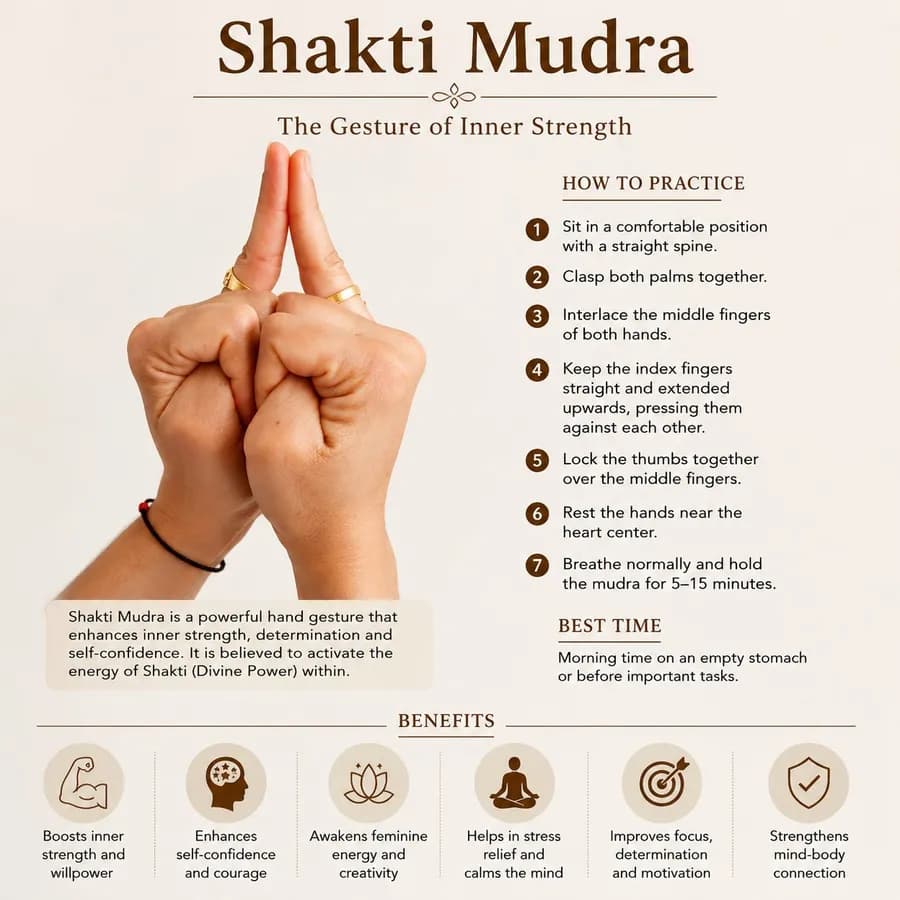
Mudra for Sleep (Shakti Mudra): Steps, Benefits, and Precautions
Shakti Mudra and Prithvi Mudra activate the parasympathetic nervous system and establish a conditioned pre-sleep signal when held for 10-15 minutes before


Buddha Meditation: An Introduction to the Traditions
Buddha meditation isn't one technique but a family of traditions, all rooted in training the mind to see clearly rather than react on autopilot. Explore the main schools, and try guided sessions with Habuild.