
Olive Oil Benefits: Types, Portions and Cooking Uses
Olive oil is mainly monounsaturated fat, and extra-virgin versions also contain flavour compounds and polyphenols. Learn cooking uses.
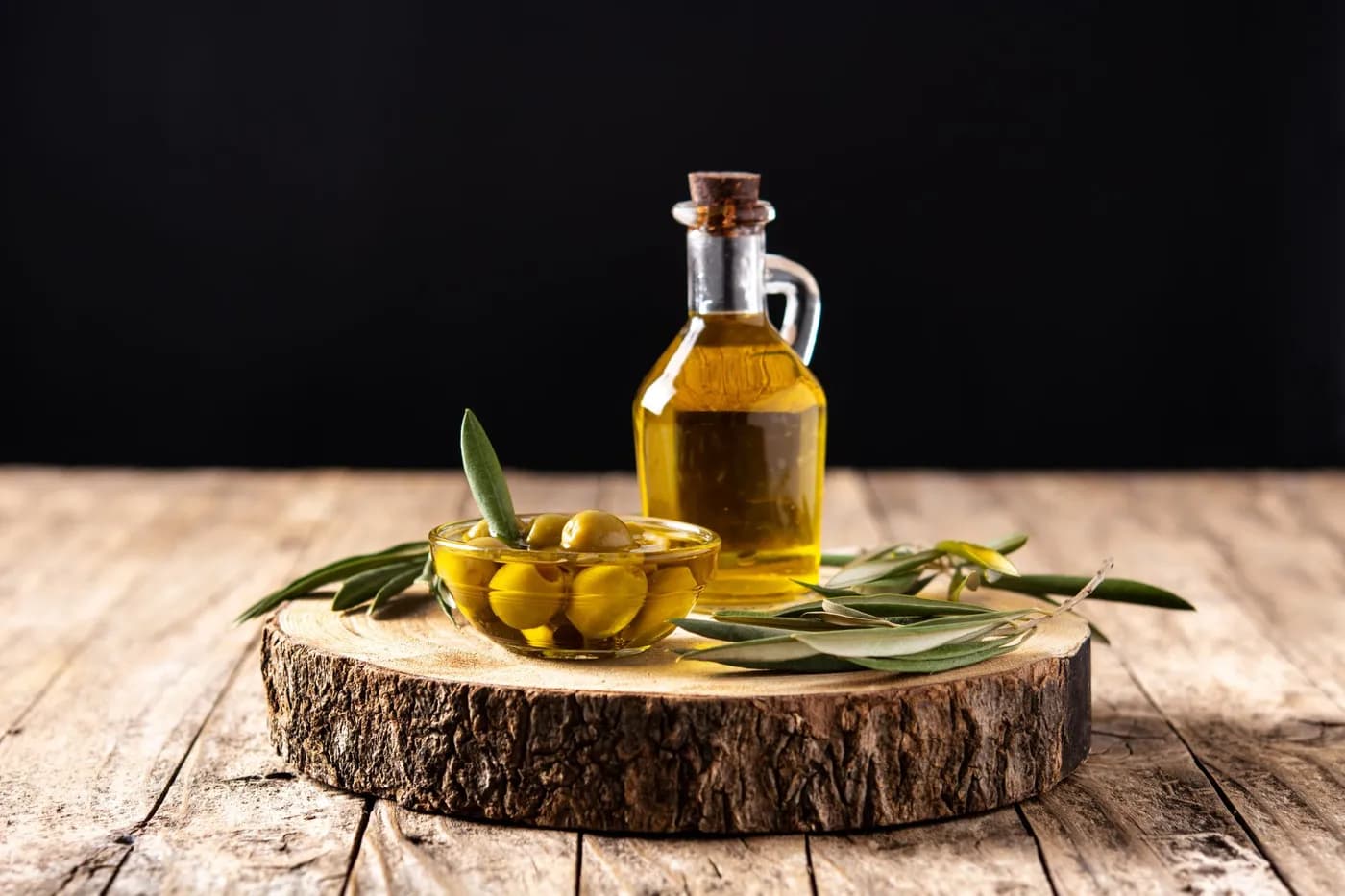
Key Takeaways
- Olive oil is rich in monounsaturated fat.
- Extra-virgin oil has a stronger flavour and more polyphenols.
- Replacing saturated fat matters more than simply adding oil.
- It can be used for dressings and many everyday cooking methods.
- Heat, light and air can reduce its quality over time.
Olive oil is mostly monounsaturated fat. Extra-virgin olive oil also contains flavour compounds and polyphenols. However, all oils remain concentrated sources of energy.
Realistic olive oil benefits depend largely on substitution. Replacing some saturated fat with unsaturated oil is different from adding unlimited oil to the same meals. The type, portion, storage and cooking method all matter.
Olive oil nutrition in perspective
Like every cooking oil, olive oil is almost entirely fat. Its main fatty acid is oleic acid, and it also provides varying amounts of vitamin E.
Extra-virgin oil contains compounds that create its characteristic bitterness, pepperiness and aroma. Refined varieties usually have a milder taste.
Olive oil nutrition does not make it a complete food. It contains no meaningful fibre or protein and should be used alongside vegetables, pulses, whole grains, nuts and seeds. Habuild’s everyday diet and nutrition guide can help you balance the rest of the plate.
What does the evidence say about olive oil benefits?
Heart-friendly fat replacement
Dietary guidance supports replacing some saturated fat with unsaturated fat. This change may help improve LDL cholesterol when it forms part of a balanced eating pattern.
The word “replace” is important. Using a measured amount of olive oil instead of butter, ghee or shortening is different from pouring extra oil over an unchanged meal. Total fat and energy intake still matter.
Heart health also depends on the overall diet, physical activity, sleep, blood pressure, smoking status and prescribed medicines. Oil is not a treatment for heart disease.
Mediterranean dietary pattern
Extra-virgin olive oil appears in Mediterranean-style diets that also include vegetables, legumes, fruits, whole grains and nuts.
Health outcomes associated with this dietary pattern cannot be attributed to one ingredient. Indian meals can use different unsaturated oils while retaining familiar foods and flavours.
Polyphenols and antioxidants
Polyphenols show antioxidant activity in laboratory studies. However, drinking olive oil does not prevent cancer, reverse ageing or detoxify the liver.
Whole vegetables, fruits, tea, spices, pulses and other plant foods also provide a variety of beneficial compounds. Eating a varied diet is more useful than chasing the bottle with the highest advertised polyphenol content.
Blood sugar and weight
Unsaturated fat may influence fullness, but olive oil does not independently lower blood sugar. People with diabetes should consider the carbohydrate, fat, protein and total portion within the complete meal.
Olive oil is also not a weight-loss drink. Taking shots of oil on an empty stomach adds energy and has no proven special advantage. Weight change depends on the overall eating and activity pattern.
Extra virgin, virgin, refined or pomace?
Different olive oils vary in processing, flavour, price and suitable uses.
Extra-virgin olive oil
Extra-virgin olive oil is mechanically extracted and usually has the strongest aroma. It may taste fruity, bitter or peppery. Use it when its flavour suits the meal.
Virgin olive oil
Virgin olive oil is also mechanically extracted, but it meets different sensory or quality specifications from extra-virgin oil.
Refined or “pure” olive oil
Refining creates a milder product that may be blended with some virgin olive oil. The word “pure” is a marketing term and does not prove that the product is nutritionally superior.
Olive-pomace oil
Olive-pomace oil comes from the material left after the first oil extraction and is then refined. It is not the same as extra-virgin olive oil.
Read the complete label instead of choosing a bottle based only on its colour, packaging or front-of-pack wording.
Can olive oil be used for Indian cooking?
Yes. Olive oil can be used for sautéing, roasting, tempering and other normal cooking methods. The idea that extra-virgin olive oil can never be heated is too absolute.
All oils can degrade when they are overheated or reused repeatedly. Choose an oil according to the flavour, cooking temperature, budget and recipe.
Mustard, groundnut, sesame and rice-bran oils may suit many Indian dishes and can add variety to the kitchen. There is no need to force olive oil into every recipe.
Avoid allowing any cooking oil to smoke heavily. Use an appropriate heat level, ventilate the kitchen and do not repeatedly reuse frying oil.
How to use olive oil
If you are learning how to use olive oil, measure it rather than pouring freely. You can:
- Whisk a teaspoon into a lemon dressing for salad.
- Drizzle a small amount over roasted vegetables.
- Sauté garlic, tomatoes and greens over moderate heat.
- Use it in hummus or bean dips.
- Brush it lightly over bread instead of adding butter.
- Add a measured finishing drizzle to soup.
- Roast chickpeas or makhana with spices and limited oil.
- Use it in pasta, grain bowls or Mediterranean-style vegetable dishes.
The complete meal still needs fibre and vegetarian protein. Habuild’s protein-rich vegetarian foods guide offers practical food combinations.
How much olive oil is sensible?
There is no universal daily spoon count. Individual needs depend on body size, activity, medical conditions and all the other visible and hidden fats eaten during the day.
A tablespoon of oil provides significant energy even when its fat profile is favourable. Measure the household cooking oil used across all servings rather than estimating only what appears on your plate.
Restaurant meals, namkeen, bakery foods, nuts, seeds and dairy products also contribute fat. These sources should be considered when looking at total intake.
If a clinician has prescribed a fat restriction for pancreatitis, gallbladder disease, high triglycerides or another health condition, follow that plan rather than a general online serving suggestion.
Buying olive oil and checking authenticity
Choose a clearly labelled bottle that displays the oil type, batch details and best-before date. Dark or opaque packaging can help protect the oil from light.
Colour is not a reliable test of quality. A suitable oil may range from golden to green depending on the olives and harvest. Cloudiness also does not automatically prove purity or spoilage.
Buy from a reputable seller and avoid depending on refrigerator tests or social-media tricks to judge authenticity.
Storage and rancidity
Store the bottle tightly closed and away from the stove, direct sunlight and other sources of heat. Buy a size that you can finish while the flavour remains fresh.
Decanting the oil into a decorative clear bottle may shorten its useful quality if the container sits in bright light or near the cooking area.
Rancid oil may smell like crayons, old nuts, wax or stale paint. A small taste is not usually acutely poisonous, but the oil has lost quality and should be discarded.
Do not repeatedly heat and cool the same oil. Used frying oil develops breakdown products and should not be stored or reused indefinitely.
Allergy and digestive precautions
Olive allergy is uncommon but possible. Seek urgent help for breathing difficulties, facial swelling, faintness or widespread hives.
Large amounts of oil may cause nausea or loose stools. They may also worsen symptoms in people who need to restrict dietary fat.
Olive oil is not an appropriate home treatment for constipation. Taking a large dose may cause discomfort or loose stools without addressing the reason for ongoing constipation.
What olive oil cannot do
Olive oil cannot cleanse the liver, remove toxins, cure heart disease or guarantee weight loss. Drinking it before breakfast has no established advantage over using a sensible amount in meals.
The clearest olive oil benefits come from replacing some saturated fat, adding flavour and supporting a plant-rich meal—not from turning oil into a supplement.
Habuild’s guide to building sustainable food habits can help make measured oil use part of a repeatable routine.
Editorial sources
Frequently Asked Questions
Related Articles
Protein-rich vegetarian foods: 1/4th plate habit
Explore protein, carbohydrates, healthy fats and meal planning for strength training, muscle building and recovery.

Ghee vs Refined Oil: Choose Healthy Fats Wisely
Understand ghee vs refined oil in simple words. Learn how to use fats in moderation, avoid reheated oils and choose better Indian cooking habits.