
Omega-3 Foods: Vegetarian Sources and Smart Choices
Find vegetarian omega-3 foods, understand ALA, EPA and DHA, and learn simple portions, storage tips and supplement safety basics.
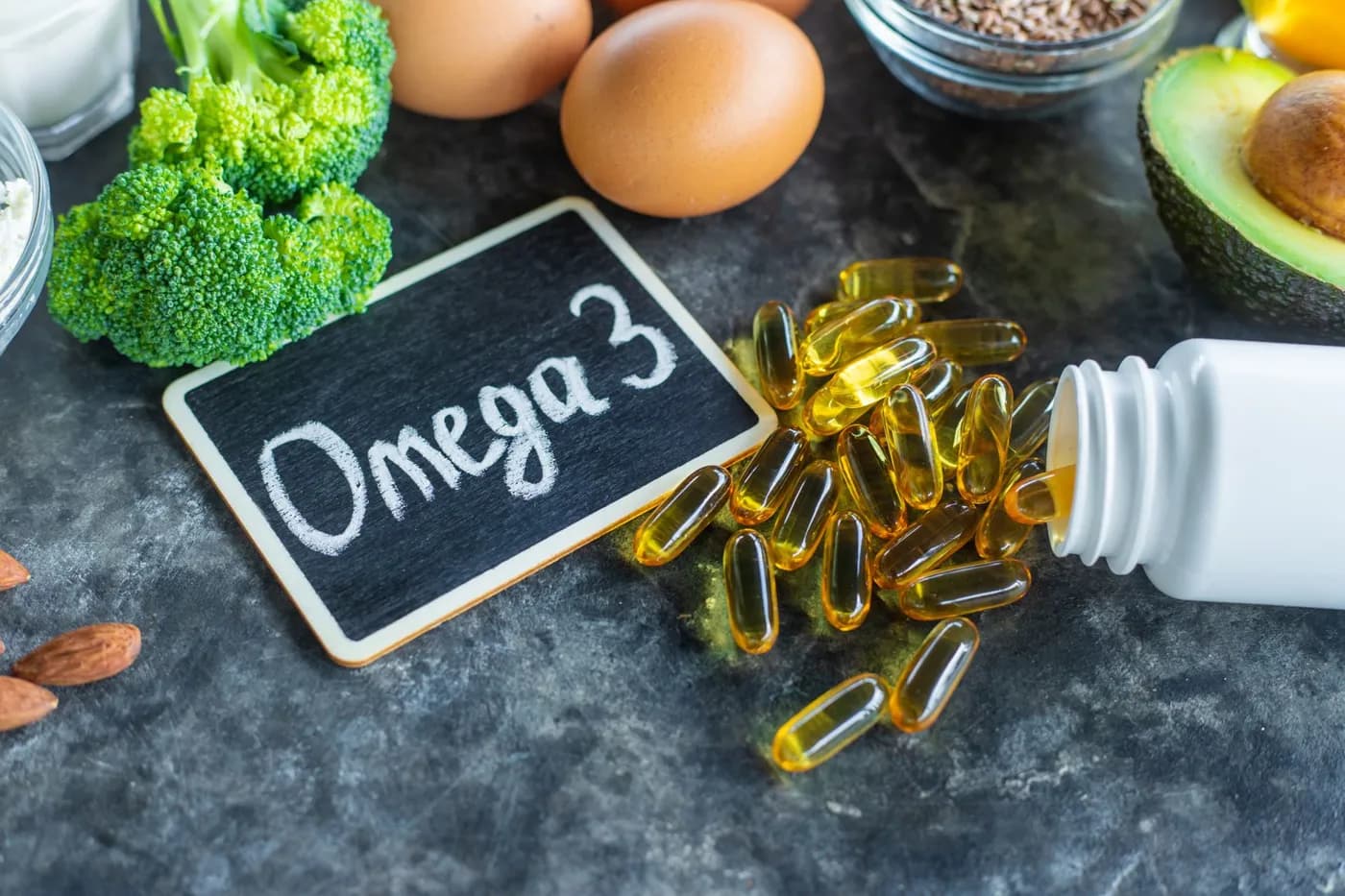
Key Takeaways
- ALA comes from foods such as flax, chia, walnuts and some oils.
- The body converts only part of ALA into EPA and DHA.
- Ground flaxseed is easier to use and digest than whole seeds.
- Supplements need extra care if you take blood-thinning medicine.
Omega-3 foods fats are essential fats, which means the body needs them but cannot make enough on its own. A few simple foods can help you include them regularly.
What are omega-3 foods fats?
The three omega-3 foods fats discussed most often are ALA, EPA and DHA. ALA is found mainly in plant foods. EPA and DHA are found mainly in fish and seafood, while algae oil can provide a vegetarian source.
Omega-3 foods fats form part of cell membranes and support normal functions in the heart, blood vessels, lungs, immune system and hormones. (1)
The body can convert ALA into EPA and DHA, but the conversion is limited. This is why different sources are not exactly interchangeable.
Best vegetarian omega-3 foods
Useful ALA sources include ground flaxseed, chia seeds, walnuts, flaxseed oil, canola oil and soybean oil. Amounts differ, so variety and regular use are helpful.
Start with foods you already eat. Stir ground flax into curd, soak chia in oats, add walnuts to fruit, or use a suitable oil in normal cooking. There is no need to consume all sources every day.
What about EPA and DHA?
People who do not eat fish may consider algae-based DHA or EPA products. Not everyone needs a supplement, and the right choice depends on diet, pregnancy, health conditions and clinician advice.
Pregnant or breastfeeding people should get personalised guidance because DHA supports development, while product quality and dose matter. (1)
Easy ways to add omega-3 foods
Add one spoon of ground flaxseed to atta or curd.
For related reading, see Chia Seed Versus Flaxseed and Pumpkin Seeds Benefits.
Soak chia in oats or a homemade drink.
Top porridge with two or three walnut halves.
Mix ground seeds into chutney or a dry spice blend.
Use seeds as a topping, not as a replacement for a full meal.
Increase seeds gradually and drink enough fluid. A sudden large fibre increase can cause gas or bloating.
Storage and portion tips
Whole flax keeps longer than ground flax. Grind a small batch and refrigerate it in an airtight jar. Keep walnuts and oils away from heat and light because their fats can turn rancid.
Seeds and nuts are nutrient-dense. A spoonful of seeds or a small handful of walnuts is often enough to enrich a meal. More is not automatically healthier.
Buy clean, sealed products and discard anything with an unpleasant paint-like or bitter smell. Basic storage and hygiene protect food quality. (2)
Supplements and safety
Omega-3 foods supplements can cause mild digestive symptoms. Higher doses may affect bleeding and can interact with medicines. Ask a clinician before taking them if you use anticoagulants, have surgery planned or have a bleeding disorder. (1)
Food-first choices are usually simpler. Supplements should solve a defined need, not compensate for an otherwise unbalanced diet.
Relevant Habuild interlink
See Habuild’s everyday guide to diet and nutrition for more simple meal-building ideas. (3)
Frequently Asked Questions
Related Articles
Protein rich vegetarian foods: the perfect plate habit
Learn how protein rich vegetarian foods support energy, strength and fullness. Use the perfect plate habit with greens, grains and protein.

Iron rich foods need protein: 1/4th plate habit
Eating iron rich foods is important, but protein helps your body use iron better. Learn the 1/4th plate protein habit with simple vegetarian foods.
Protein-rich vegetarian foods: 1/4th plate habit
Explore protein, carbohydrates, healthy fats and meal planning for strength training, muscle building and recovery.
