
Peanut Nutrition: Protein, Portions and Allergy Safety
Learn peanut nutrition, protein content, healthy fats, portions, snack ideas, storage tips and essential peanut allergy safety.
Key Takeaways
- Peanuts provide plant protein, unsaturated fats and fibre.
- Portion size matters because peanuts are energy-dense.
- Peanut allergy can be severe; take allergy precautions seriously.
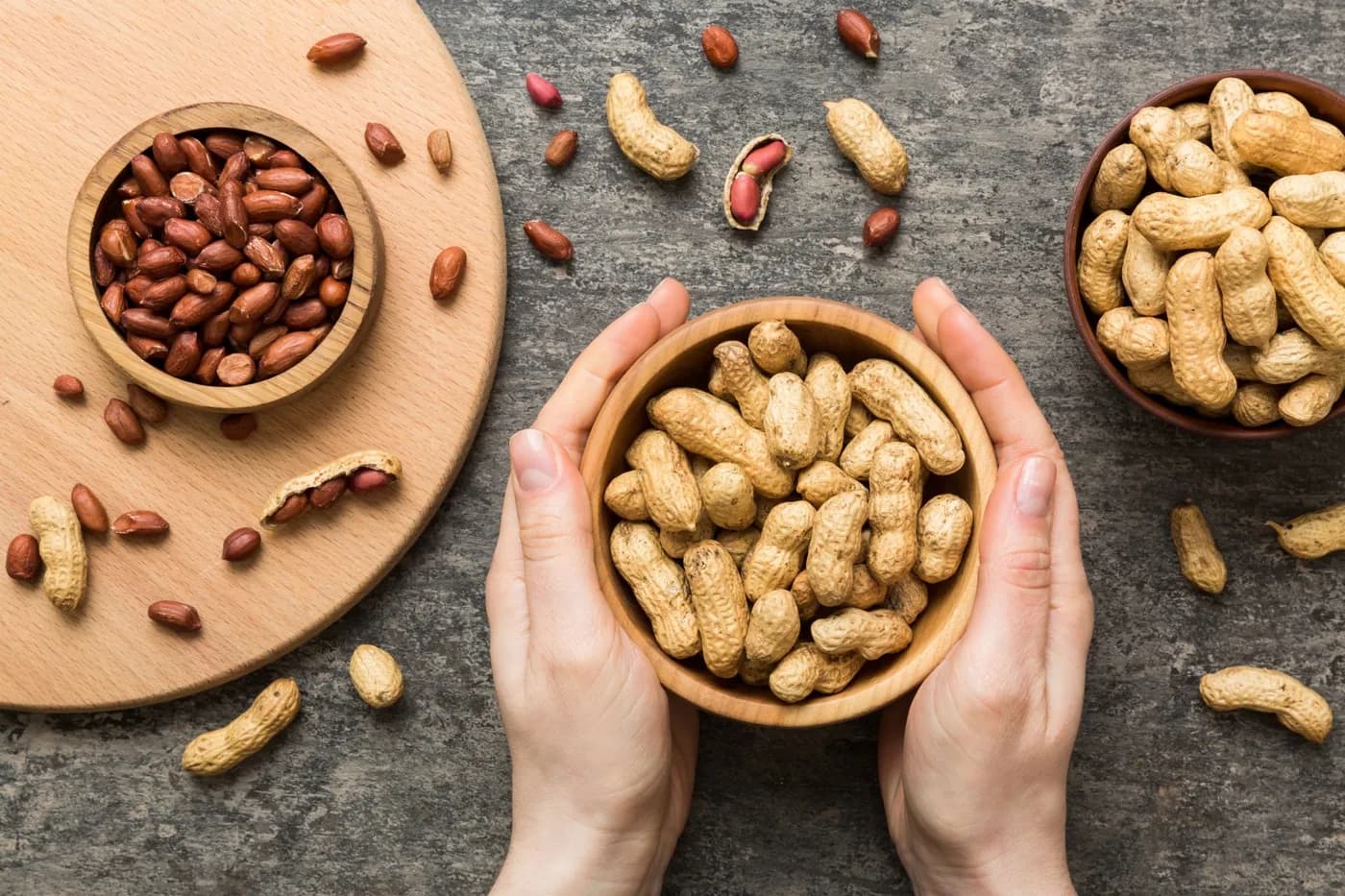
Peanuts are affordable, widely available and easy to use in Indian meals. Although their name includes “nut,” they belong to the legume family. A practical look at peanut nutrition shows protein, mostly unsaturated fat, fibre and several vitamins and minerals.
That does not make unlimited portions better. Peanuts are energy-dense, and peanut allergy can be severe. The useful approach is to choose a sensible amount, check added salt or sugar and treat allergy precautions seriously.
What does peanut nutrition include?
Peanuts provide protein, fat, carbohydrate and fibre along with nutrients such as magnesium, niacin, folate and vitamin E. Exact values change with the variety, serving size and preparation method. Added oil, salt, sugar or coating changes the final product too. (1)
Most of the fat is unsaturated. Replacing some foods high in saturated fat with suitable unsaturated-fat foods can support a heart-friendly eating pattern. This is a replacement principle, not a reason to add unlimited peanuts on top of the same diet.
Peanut nutrition is best considered as part of the full meal. A small amount can add texture and substance, but peanuts do not provide every nutrient the body needs.
Is peanut protein enough for a meal?
Peanuts contribute useful plant protein, but a small snack portion usually provides less than a full serving of dal, tofu, paneer or thick curd. Peanut protein can strengthen a meal, yet it does not have to carry the entire plate.
For example, peanut chutney adds flavour and some protein to idli or vegetables. Crushed peanuts can be added to poha, while a measured spoon of peanut butter can make toast or fruit more substantial.
Across the day, combine peanut protein with varied vegetarian foods such as dals, beans, soy, dairy, grains, vegetables, nuts and seeds. Variety matters more than trying to obtain all your protein from one ingredient.
Understanding peanut calories and portions
Peanuts contain a concentrated mixture of fat and protein, so a small volume supplies a meaningful amount of energy. Peanut calories are not “bad,” but they are easy to underestimate when you eat directly from a large packet.
Place a small handful in a bowl and close the packet before eating. For peanut butter, use a spoon rather than pouring or repeatedly dipping into the jar. A suitable portion still depends on your appetite, meal, activity and overall energy needs.
Peanuts do not automatically cause weight gain, and they do not guarantee weight loss. Peanut calories are only one part of the daily pattern. A filling snack may help some people avoid unplanned grazing, but adding several large portions without changing anything else increases total energy intake.
How processing changes the food
Dry-roasted or plain varieties usually contain less added oil than fried products. Masala coatings can add salt, while sweet coatings may add sugar, so compare labels.
For peanut butter, look for peanuts near the beginning of the ingredient list. Compare added sugar, sodium and oils. Natural oil separation is normal in many mostly-peanut products; stir it as directed.
The peanut nutrition of a spread depends on everything added to it. “High protein” or “natural” on the front does not replace reading the ingredient list and serving size.
Healthy peanut snacks and meal ideas
Healthy peanut snacks are simple combinations rather than complicated “protein” desserts. Try:
- A small banana or apple with a measured spoon of unsweetened peanut butter.
- Roasted peanuts mixed with chopped cucumber, tomato, coriander and lime.
- A small mix of peanuts and roasted chana instead of fried namkeen.
- Peanut chutney with idli, dosa or vegetable sticks.
- Crushed peanuts over poha, upma or a vegetable salad.
- Plain curd topped with fruit and a light sprinkle of chopped peanuts.
When planning healthy peanut snacks, account for what is already in the meal. Adding peanuts to a dish that already contains a generous amount of oil may make it unnecessarily heavy.
For children or older adults, whole peanuts can be a choking hazard. Use smooth peanut butter, finely ground peanuts or another age-appropriate texture where needed.
Peanut allergy: why it must be taken seriously
A peanut allergy is an immune reaction, not the same as indigestion or food intolerance. Symptoms can include hives, swelling, vomiting, coughing, wheezing, breathing difficulty, dizziness or a fall in blood pressure. A severe reaction called anaphylaxis needs emergency treatment.
Anyone with a diagnosed allergy should follow the avoidance and emergency plan provided by their clinician. If prescribed epinephrine, keep it accessible and know how and when to use it. Seek emergency medical help after its use rather than waiting to see whether symptoms return.
The FDA identifies peanuts as a major food allergen and requires them to be declared on labels for regulated packaged foods in the United States. Labelling rules differ by country, so read the local product label carefully every time. (2)
Reading labels and preventing cross-contact
Recipes and manufacturing practices can change. Check ingredient lists and precautionary statements even if you have bought the product before. Avoid products when the information is unclear.
Cross-contact can occur when a safe food touches peanuts through shared utensils, oil, surfaces, grinders or equipment. This matters in bakeries, restaurants, sweet shops, chutneys, namkeen mixtures and unpackaged foods.
Do not remove visible peanut pieces and assume the remaining food is safe. When serving a person with peanut allergy, use clean hands, utensils and preparation areas, and follow their personal safety plan.
Introducing peanuts to children
Seek paediatric guidance when a baby has severe eczema, an existing food allergy or another risk factor. Never test a suspected allergy with a large amount. Use an age-safe texture and watch the child while eating.
Choosing and storing peanuts safely
Buy from a reliable source and avoid peanuts that look mouldy, damp, discoloured or damaged. They should smell fresh rather than stale, musty or bitter.
Keep them in a clean, airtight container away from heat, light and moisture. Refrigeration may help extend storage after opening, especially in warm or humid conditions. Follow the package directions and discard products that appear spoiled.
Building a consistent routine
Peanuts can support a balanced snack, but food is only one part of maintaining strength. Pair suitable meals with gradual, regular activity through Habuild’s Strong Everyday programme.
The goal is not to “burn off” food. It is to build a steady routine around varied meals, movement, recovery and sleep.
Editorial sources
Frequently Asked Questions
Related Articles

Healthy fats: why your body needs fat
Healthy fats help your body absorb vitamins and support brain, hormones, joints, cells and daily meals. Learn simple vegetarian sources and habits.

Good fats vs bad fats: choose fats wisely
Understand good fats vs bad fats in simple words. Learn which vegetarian fats to choose, what to reduce and how to read food labels better.
