
Pear Benefits: Nutrition, Fibre and Simple Serving Ideas
Pears provide water, carbohydrate, fibre and plant compounds, with much of the fibre sitting near the peel. Learn simple serving ideas.

Key Takeaways
- Pears provide water, carbohydrate and fibre.
- The washed peel contributes useful fibre.
- Whole fruit is more filling than juice.
- Large portions may trouble some people with IBS.
- Ripeness affects texture and sweetness more than overall food quality.
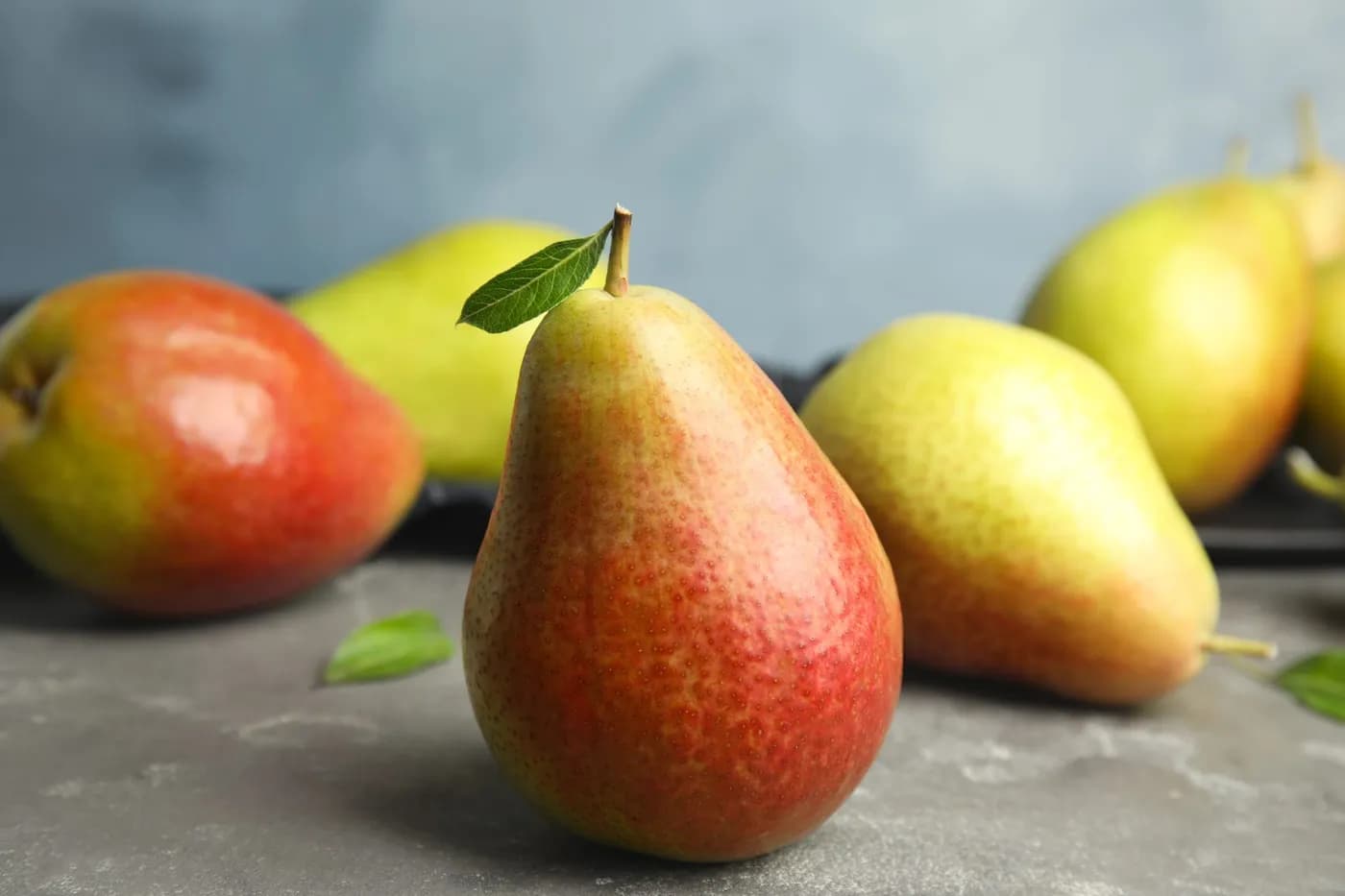
Pears are juicy fruits that provide water, carbohydrate, fibre and several plant compounds. Much of their fibre sits in or near the peel, so eating the washed peel can add texture and nutrition.
Realistic pear benefits are straightforward: the whole fruit can contribute to hydration, fibre intake and a satisfying snack. It does not detox the body, cure constipation immediately or prevent disease by itself.
Pear nutrition at a glance
A medium pear provides mostly water and carbohydrate, along with fibre and small amounts of vitamins, minerals and polyphenols. The exact amounts vary with size and variety.
Pear nutrition is most useful in the context of fruit variety. Guava, citrus, papaya, apples, berries and other seasonal choices bring different nutrient profiles. You do not need one special fruit every day.
The peel is edible and contains fibre and plant compounds. Wash it under clean running water and remove damaged areas. Peeling may be useful for a young child, a soft diet or individual digestive comfort, but it is not normally required.
Possible pear benefits
Fibre and bowel regularity
Fibre adds bulk to stool and supports normal bowel function. Pears also contain sorbitol and fermentable carbohydrates, which may loosen stools in some people. This can feel helpful for mild constipation but may worsen gas or diarrhoea in others.
One fruit is not a constipation treatment. Regular meals, adequate fluids, movement and fibre from vegetables, dals, beans and whole grains matter. Habuild’s high-fibre foods guide provides vegetarian sources for a broader routine.
Seek medical advice for constipation with bleeding, severe pain, vomiting, fever, unexplained weight loss or a major change in bowel habits.
Hydration
The fruit’s high water content contributes to daily fluid intake, but it cannot replace all drinking water. Hydration needs change with weather, activity, pregnancy and health conditions.
Juice may seem hydrating, but it removes fibre and is easy to consume rapidly. Water plus whole fruit is usually a more filling combination.
Fullness and weight management
Chewing whole fruit and retaining fibre can make it more satisfying than juice or a sweetened beverage. Whether pear benefits support weight management depends on the full diet and what the fruit replaces.
Choosing a pear instead of a packaged dessert differs from adding several fruits, sweetened yoghurt and syrup to an unchanged meal. No fruit melts belly fat or guarantees weight loss.
Plant compounds
Pears contain flavonoids and other polyphenols that show antioxidant activity in laboratory settings. These findings do not prove that the fruit prevents cancer or heart disease.
Health patterns observed among fruit eaters reflect the wider diet and lifestyle. Enjoy several colours rather than buying concentrated pear extracts.
Pears and blood sugar
Whole pears contain naturally occurring sugar along with fibre and water. Many people with diabetes can include fruit, but the portion, total carbohydrate and glucose response matter.
Pairing fruit with plain curd, nuts or seeds may make a snack more substantial. Habuild’s protein-rich vegetarian foods guide offers suitable meal anchors.
Juice, canned fruit in syrup and sweetened pear desserts can deliver carbohydrate more quickly. Follow personalised advice rather than avoiding all fruit or treating it as unlimited.
How to use pears
If you are learning how to use pears beyond eating them plain, try these simple ideas:
- Slice a ripe pear into plain curd.
- Pair wedges with a small portion of nuts.
- Chop it over oats or dalia.
- Add firm slices to a salad with greens and seeds.
- Poach it with cinnamon without extra sugar.
- Blend a small amount into an unsweetened smoothie while retaining the pulp.
- Bake pieces into whole-grain porridge.
- Serve softened fruit in an age-appropriate texture for children.
Keep portions proportional to the meal. A large smoothie with several fruits and sweeteners is different from one whole fruit.
Choosing and ripening pears
Many varieties ripen from the inside outwards. A pear that yields slightly near the neck may be ready to eat, while a very hard fruit may need time at room temperature. Colour is not a reliable guide for every variety.
Once ripe, refrigerate it to slow further softening. Avoid fruit with mould, leaking liquid, a fermented smell or large bruised areas. Wash it just before eating rather than storing it wet.
Firm fruit works well in salads and cooking, while softer fruit suits curd or porridge. Ripeness changes starch, sweetness and texture but does not divide pears into “healthy” and “unhealthy” categories.
IBS and digestive sensitivity
Pears contain fructose, sorbitol and other fermentable carbohydrates that can trigger bloating, cramps or loose stools in some people with irritable bowel syndrome. Tolerance depends on the portion and the individual.
Do not diagnose IBS based on one food reaction. A dietitian-guided approach can identify triggers without creating an unnecessarily restrictive diet. Low-FODMAP diets are intended as structured, temporary assessment tools, not permanent avoidance lists.
Start with a smaller portion if your digestion is sensitive. Cooked fruit may feel softer but still contains fermentable carbohydrates.
Allergy and safety
Pear allergy is uncommon but possible, including oral itching in people with pollen-related food allergy. Stop eating and seek urgent help for breathing difficulty, facial swelling, faintness or widespread hives.
Whole pieces and firm peel may be unsuitable for babies or people with swallowing difficulties. Modify the texture and supervise young children.
Packaged juice, canned fruit and dried pear should be checked for added sugar. Dried fruit is concentrated and easy to over-serve.
What pears cannot do
Pears cannot cleanse the colon, remove toxins, cure chronic constipation or guarantee lower cholesterol. They also do not need to be eaten on an empty stomach.
The clearest pear benefits come from adding whole fruit, water and fibre to a varied eating pattern. Habuild’s everyday diet and nutrition guide can help place fruit within complete meals.
A simple habit to try
Buy two pears at different ripeness levels. Eat the ripe one with curd or nuts and allow the firmer one to soften. This reduces waste and turns fruit into a planned snack rather than an impulse purchase.
Editorial sources
Frequently Asked Questions
Related Articles
Protein-rich vegetarian foods: 1/4th plate habit
Explore protein, carbohydrates, healthy fats and meal planning for strength training, muscle building and recovery.

Healthy fats: why your body needs fat
Healthy fats help your body absorb vitamins and support brain, hormones, joints, cells and daily meals. Learn simple vegetarian sources and habits.