
Potassium Rich Foods: Best Sources to Add to Your Diet
Potassium helps the body manage fluid balance, muscle function, and healthy blood pressure. See the best sources to add to your diet, from bananas to.
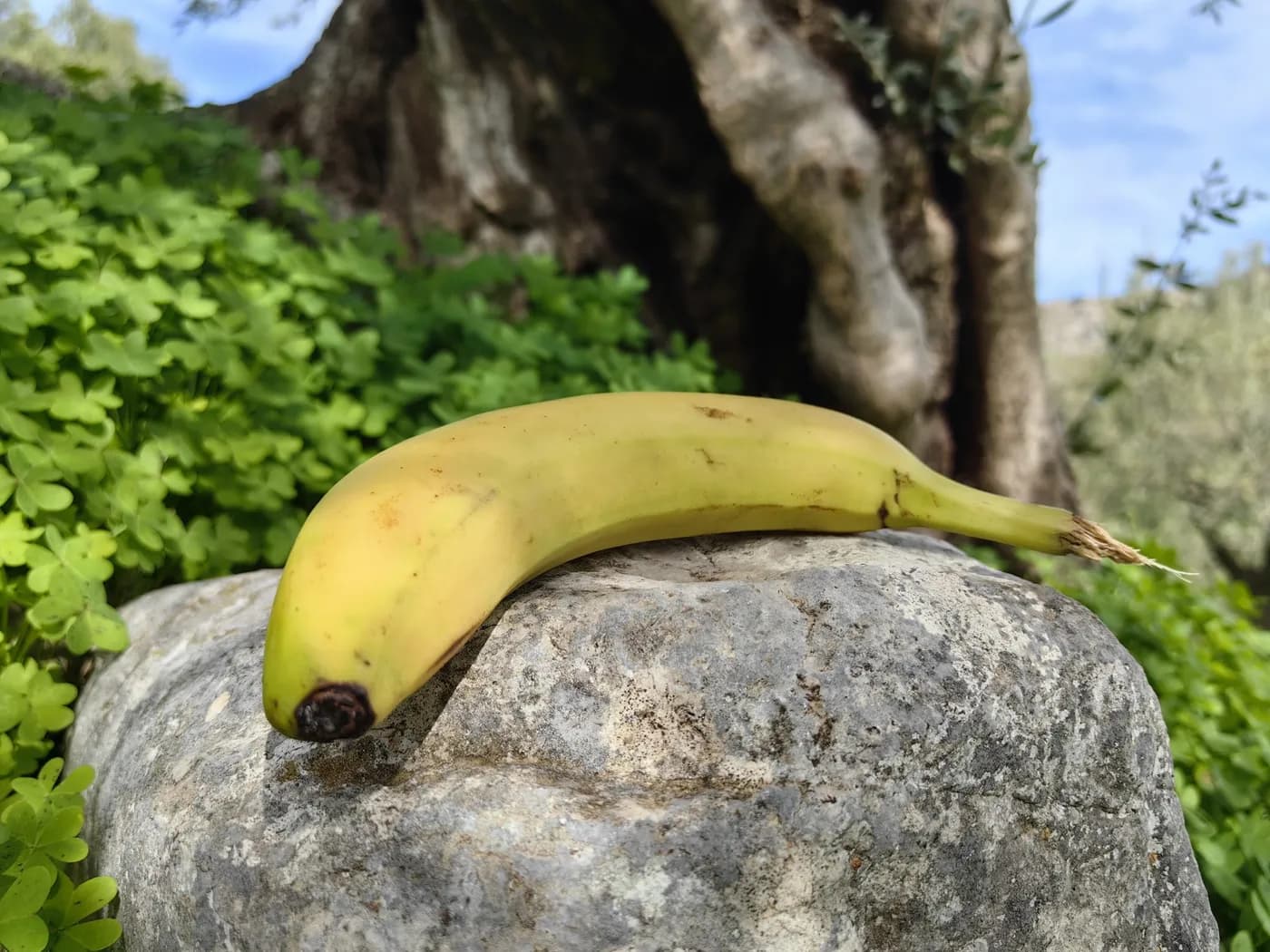
Key Takeaways
- Bananas, coconut water, leafy greens, and dals cover most potassium needs easily.
- Most healthy adults need roughly 2,600-3,400mg of potassium a day.
- Potato and fruit skins hold a good share of the potassium – peeling loses some of it.
- Spreading intake across meals works better than relying on bananas alone.
- Anyone with kidney disease should not increase potassium without medical guidance.
Potassium rich foods help the body manage fluid balance, muscle function and healthy blood pressure, which is why most healthy adults benefit from including them regularly. Bananas, coconut water, leafy greens, potatoes and dals are some of the most accessible options in a typical Indian kitchen.
Best potassium rich foods at a glance
- Bananas — the most well-known source, easy to eat on the go
- Coconut water — naturally rich in potassium and hydrating
- Leafy greens — spinach, methi and other saag varieties
- Potatoes and sweet potatoes — especially when eaten with the skin
- Dals and legumes — rajma, chana and moong are all solid contributors
- Dried fruits — raisins, apricots and dates pack potassium into small servings
- Yogurt and milk — dairy contributes a smaller but steady amount
Fruits that contain potassium
Among fruits that contain potassium, bananas usually get the most attention, but they’re far from the only fruit that is rich in potassium. Oranges, cantaloupe, papaya, guava and pomegranate all contribute meaningfully, and dried fruits like apricots and raisins concentrate even more potassium per gram since the water content is removed.
| Food | Potassium per typical serving |
| --- | --- |
| Banana (1 medium) | ~420mg |
| Coconut water (1 cup) | ~600mg |
| Spinach, cooked (1 cup) | ~840mg |
| Sweet potato (1 medium) | ~540mg |
| Dried apricots (1/4 cup) | ~380mg |
| Rajma, cooked (1 cup) | ~700mg |
How much potassium you need daily
Most healthy adults need roughly 2,600-3,400mg of potassium a day, and this is easily reached through a normal, varied Indian diet that includes fruit, vegetables, dal and dairy. Eating a mix of potassium rich foods across your meals throughout the day makes it easy to reach this target without any special tracking. There’s usually no need to track it precisely unless a doctor has flagged a specific concern.
Photo: Fredericknoronha, CC BY-SA 4.0, via Wikimedia Commons
Common mistakes with potassium rich foods
- Peeling everything — potato and fruit skins often hold a good share of the potassium and fibre, so peeling everything reduces the benefit.
- Relying on one food alone — spreading potassium rich foods across meals (a fruit, a dal, a vegetable) is more effective than eating only bananas.
- Ignoring hydration — coconut water and fruit both support potassium intake and hydration together, useful especially in hot Indian weather.
- Assuming more is always better — for most healthy people this isn’t a concern, but anyone with kidney disease should not increase potassium intake without medical guidance — see our low potassium diet article if that applies to you.
For most people without a kidney condition, potassium rich foods pair well with other everyday nutrition goals — our antioxidant rich foods guide is a natural next read if you’re rounding out the rest of your plate, and low potassium diet foods covers the opposite situation in more detail if it applies to you or a family member.
Who should be cautious with potassium rich foods
For most healthy people, potassium rich foods are simply beneficial and don’t need any special monitoring. The exception is anyone with reduced kidney function, since kidneys that can’t clear potassium efficiently allow it to build up to unsafe levels in the blood. People with chronic kidney disease, those on dialysis, and anyone taking certain blood pressure medications known to raise potassium (like ACE inhibitors or potassium-sparing diuretics) should check with a doctor before increasing potassium rich foods rather than assuming more is always better. If you fall into one of these groups, our low potassium diet foods guide covers what to eat instead.
Potassium rich foods: myths vs facts
Myth: Bananas are the only potassium rich food worth eating. Fact: Coconut water, spinach, sweet potato and rajma all contain as much or more potassium per serving than a banana — relying on one fruit alone means missing out on other strong potassium rich foods.
Myth: More potassium is always better for blood pressure. Fact: Potassium rich foods support healthy blood pressure as part of a varied diet, but piling on supplements or extreme quantities isn’t necessary and can be risky for anyone with reduced kidney function.
Myth: Cooking destroys all the potassium in vegetables. Fact: Some potassium leaches into cooking water during boiling, but steaming, sautéing, or using that water in a dal or soup keeps most of it in the meal.
Frequently Asked Questions
Related Articles
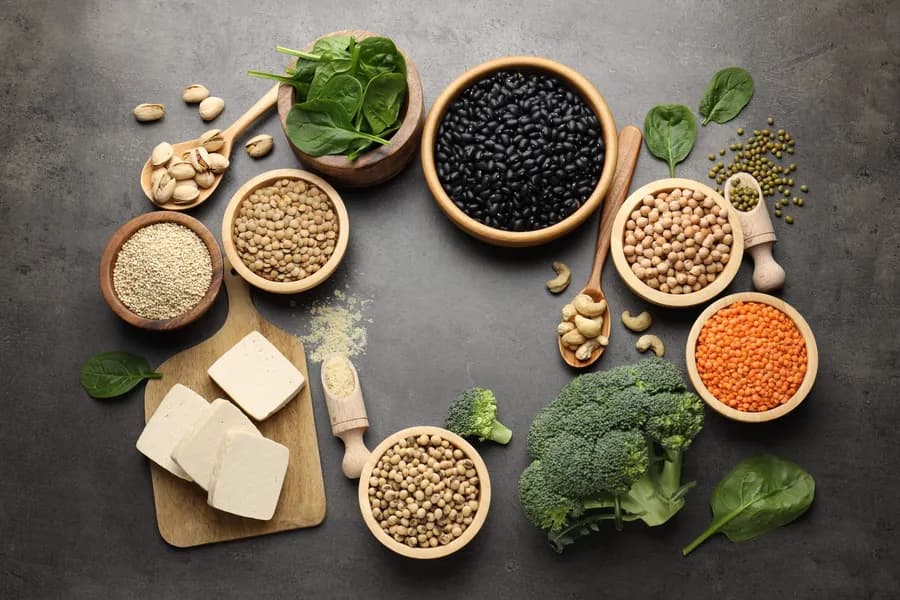
Protein rich vegetarian foods: the perfect plate habit
Learn how protein rich vegetarian foods support energy, strength and fullness. Use the perfect plate habit with greens, grains and protein.

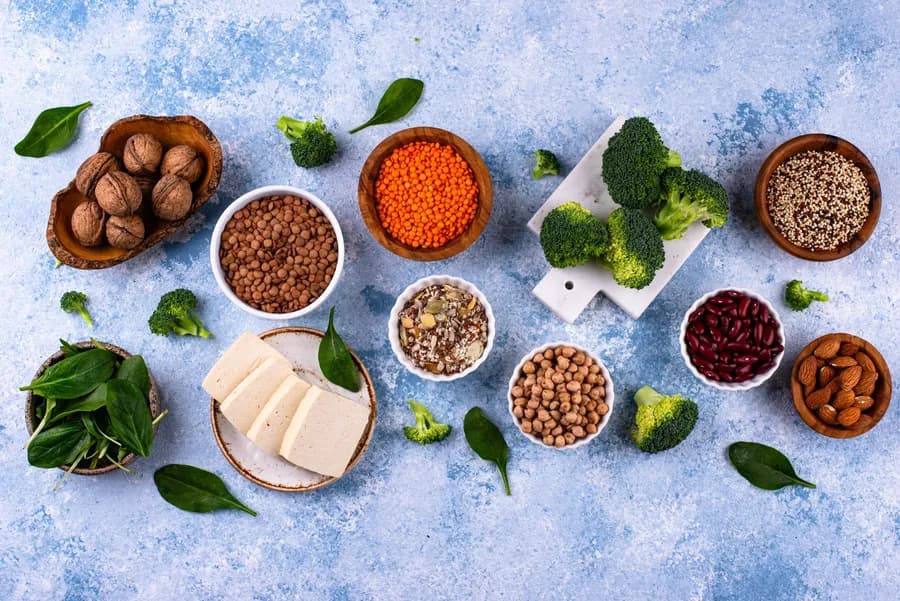
Iron rich foods need protein: 1/4th plate habit
Eating iron rich foods is important, but protein helps your body use iron better. Learn the 1/4th plate protein habit with simple vegetarian foods.
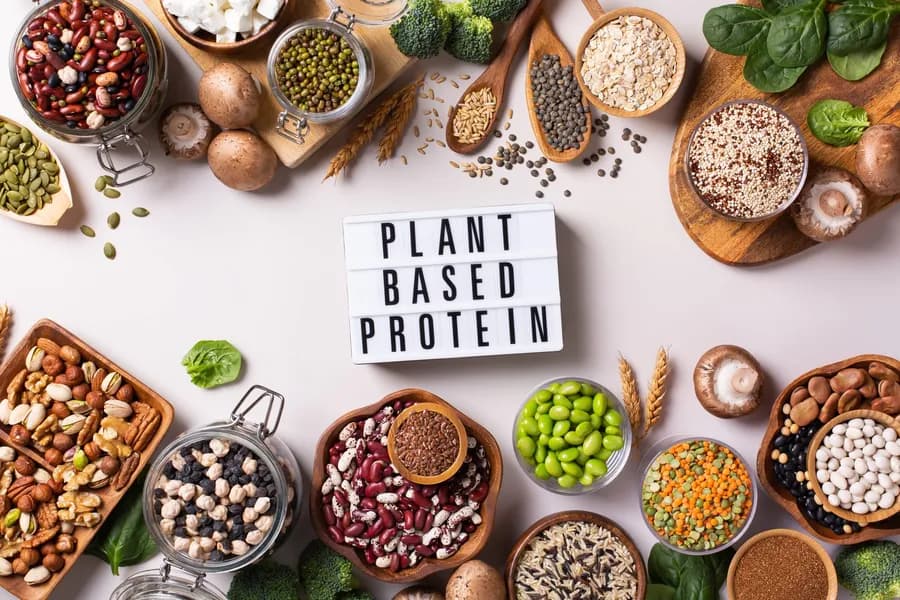
Protein-rich vegetarian foods: 1/4th plate habit
Explore protein, carbohydrates, healthy fats and meal planning for strength training, muscle building and recovery.
