
Probiotic Foods: Real Indian Sources and How Much You Need
Probiotic foods contain live, beneficial bacteria that support your gut when eaten regularly — dahi, buttermilk, and fermented pickles are everyday.
Key Takeaways
- Live bacterial cultures, not just a fermentation history, are what make a food probiotic.
- Fresh curd (dahi) is the most accessible probiotic food in most Indian kitchens.
- Cooking curd into a gravy like kadhi destroys much of its live bacterial content.
- Store-bought pickles preserved with vinegar generally don’t carry meaningful live cultures.
- A daily bowl of curd or glass of buttermilk is realistic and sufficient for most people.
Probiotic foods are foods that contain live, beneficial bacteria which can support your gut when eaten regularly. Rather than reaching for a supplement, most Indian kitchens already have strong probiotic foods on hand — dahi, buttermilk, and traditionally fermented pickles are everyday examples worth understanding properly.
Common probiotic foods in an Indian kitchen
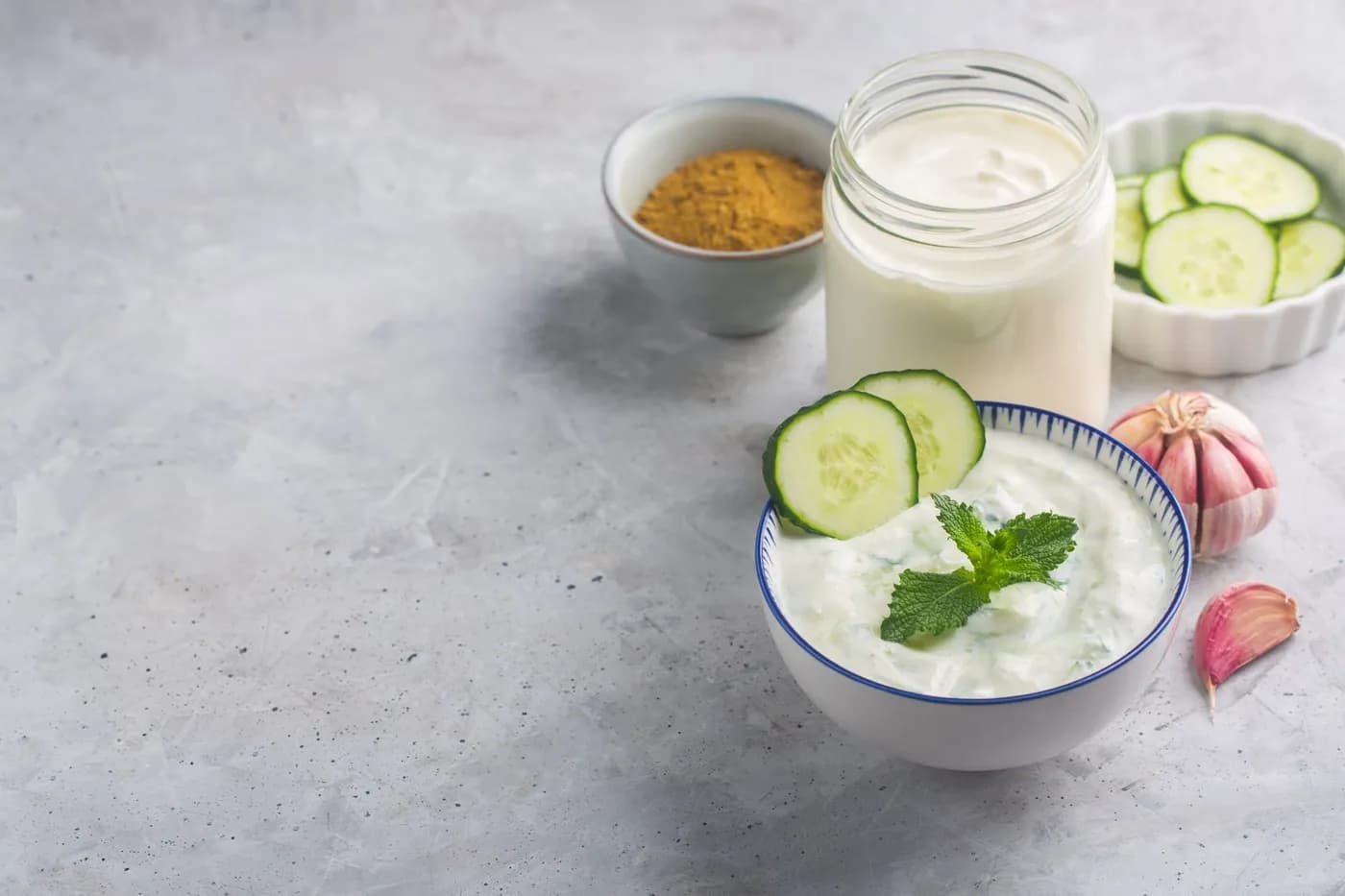
- Curd (dahi) — the most accessible probiotic food for most Indian households, made by fermenting milk with live bacterial cultures
- Buttermilk (chaas) — diluted curd, easier to digest for some, and a good option after heavy meals
- Idli and dosa batter — the natural fermentation process (usually overnight) that makes the batter rise also produces beneficial bacteria, though much of this is reduced once the batter is steamed or cooked at high heat
- Traditionally made pickles — achaar fermented naturally in mustard oil or brine over days, not the vinegar-and-preservative shortcut versions, can carry live cultures
- Kanji — a traditional fermented drink made from black carrots or beetroot with mustard seeds, popular in North India, especially in winter
- Fermented soy-based foods — less common in Indian diets but worth knowing as global probiotic food examples
What “live cultures” actually means
For a food to work as a source of probiotics, it needs live, active bacterial cultures present when you eat it — not just a fermentation process somewhere in its history. This is where nuance matters: – Curd set fresh at home and eaten within a couple of days is a reliable source of live cultures – Once curd is cooked into a gravy or heated significantly (like in kadhi), much of the live bacterial content is destroyed by heat – Idli and dosa batter ferments well, but steaming and cooking at high temperature reduces the live culture count in the final food, even though fermentation improved digestibility and nutrient availability beforehand – Store-bought pickles preserved mainly with vinegar and heat-processed for shelf stability generally don’t carry meaningful live cultures, unlike traditional oil- or brine-fermented achaar
How much is actually useful
You don’t need large quantities to benefit — consistency matters more than volume. A daily bowl of fresh curd or a glass of buttermilk, plus an occasional traditionally fermented pickle or kanji through the week, is realistic and sufficient for most people. Overdoing fermented foods in one sitting, especially if you’re unaccustomed to them, can cause bloating rather than added benefit. Start small and let your gut adjust gradually.
This article focuses specifically on where probiotic foods come from and how to use them well. For the bigger picture — fibre, plant diversity, and overall eating patterns — see our gut health diet guide instead.
Photo: Netha Hussain, CC BY-SA 3.0, via Wikimedia Commons
Common mistakes with probiotic foods
- Assuming all fermented food is automatically probiotic-rich — heat and processing can kill the live cultures that make the difference
- Buying preservative-heavy, vinegar-based pickles expecting the same benefit as traditional achaar
- Eating curd very late at night in large quantities, which can cause discomfort for some, especially in cold weather
- Relying on one probiotic food alone instead of rotating a few different sources through the week
If constipation is the main issue you’re dealing with, chia seeds for constipation is worth a look, and if it’s acidity instead, our acidity home remedies guide covers food-based fixes for that specifically.
How probiotic foods actually work in the body
Probiotic foods introduce live bacterial strains — commonly Lactobacillus and Bifidobacterium species in Indian curd and fermented foods — into your digestive tract, where they temporarily add to and support your existing gut bacteria. These bacteria help break down some fibres your body can’t digest on its own, produce short-chain fatty acids that nourish the cells lining your intestine, and compete with less helpful bacteria for space and resources. This is why probiotic foods are linked to steadier digestion, less bloating, and in some cases better immune response, since a large share of immune activity is anchored in the gut. The effect isn’t permanent from a single meal — most of these bacteria pass through within days — which is why regular, repeated intake matters more than an occasional large serving.
Who should be cautious with probiotic foods
Most healthy people tolerate probiotic foods well, but a few groups should introduce them carefully. Anyone trying them for the first time can experience temporary bloating or gas as the gut adjusts — starting with small servings and increasing gradually usually avoids this. People with a compromised immune system, or those recovering from major gut surgery, should check with a doctor before increasing fermented food intake, since live bacteria in rare cases can cause complications in a weakened system. If symptoms worsen rather than improve after adding these foods, it’s worth pausing and speaking to a doctor rather than pushing through.
Probiotic foods vs probiotic supplements
A common question is whether probiotic foods are enough, or whether a supplement capsule is needed on top. For most healthy people eating a varied diet, whole sources like curd, buttermilk, and traditionally fermented pickles are sufficient and come with the added benefit of other nutrients — calcium and protein from curd, for instance — that a capsule doesn’t provide. Supplements can make more sense after a course of antibiotics, which wipe out gut bacteria broadly, or when a doctor recommends a specific strain for a diagnosed condition. Outside of those situations, building probiotic foods into your daily meals is a simpler, cheaper, and equally effective starting point.
Frequently Asked Questions
Related Articles
Protein rich vegetarian foods: the perfect plate habit
Learn how protein rich vegetarian foods support energy, strength and fullness. Use the perfect plate habit with greens, grains and protein.

Iron rich foods need protein: 1/4th plate habit
Eating iron rich foods is important, but protein helps your body use iron better. Learn the 1/4th plate protein habit with simple vegetarian foods.
Protein-rich vegetarian foods: 1/4th plate habit
Explore protein, carbohydrates, healthy fats and meal planning for strength training, muscle building and recovery.
