
Protein in Soya Chunks: How Much Is Really in There?
Protein in soya chunks is roughly 52g per 100g dry — one of the most concentrated vegetarian protein sources around, though the number changes once you.
Key Takeaways
- Dry soya chunks carry about 52g protein per 100g – among the densest vegetarian sources.
- Soaking triples the weight, so cooked chunks contain closer to 18-20g protein per 100g.
- The commonly quoted ’52g’ figure applies to dry weight, not what’s on your plate.
- Gram for gram dry, soya chunks come close to whey powder’s protein density.
- Soaking and squeezing out water before cooking removes the beany aftertaste.
Protein in soya chunks is roughly 52g per 100g of dry, uncooked chunks, making it one of the most concentrated vegetarian protein sources available in an Indian kitchen. But that number changes once you rehydrate and cook them, and it’s worth understanding why before you plan meals around it. Once you know how the protein in soya chunks actually breaks down after cooking, planning meals around them gets much easier.
Protein in Soya Chunks Per 100g — Dry vs Cooked
The figure most commonly quoted — around 50-52g of protein per 100g — refers to dry, dehydrated soya chunks (also called soya bean nuggets or textured vegetable protein). This is the form you buy off the shelf, before soaking.
- Dry soya chunks: approximately 52g protein per 100g, alongside roughly 0.5g fat and 33g carbohydrate.
- Once soaked in water, soya chunks absorb roughly 2-2.5 times their dry weight. So 100g of dry chunks becomes 250-300g of rehydrated chunks.
- This means cooked soya chunks contain closer to 18-20g protein per 100g serving — still high, but the “52g” figure only applies to the dry weight you started with.
This distinction matters because a lot of nutrition labels and articles quote the dry-weight number without clarifying it, which can lead to overestimating how much protein in soya chunks is actually on your plate after cooking.
How Protein in Soya Chunks Compares to Other Protein Sources
Per 100g dry weight, soya chunks sit ahead of most other common vegetarian protein foods:
- Soya chunks (dry): ~52g protein
- Paneer: ~18g protein
- Moong dal (raw): ~24g protein
- Chickpeas (raw): ~19g protein
- Whey protein powder: ~70-80g protein (but this is a processed supplement, not a whole food)
Gram for gram in dry form, soya chunks come remarkably close to whey powder, which is why they’re often recommended to vegetarians trying to hit daily protein targets without relying on paneer or dairy alone. It’s this comparison that makes the protein in soya chunks stand out on a vegetarian thali.
Soya Seed Benefits Beyond the Protein Number
Soya chunks are derived from defatted soy flour, itself made from whole soya seeds. Beyond the protein count, soya seed benefits include a reasonable iron and calcium contribution, plus isoflavones — plant compounds that have been studied for mild cardiovascular and hormonal benefits, though the evidence there is still evolving rather than settled.
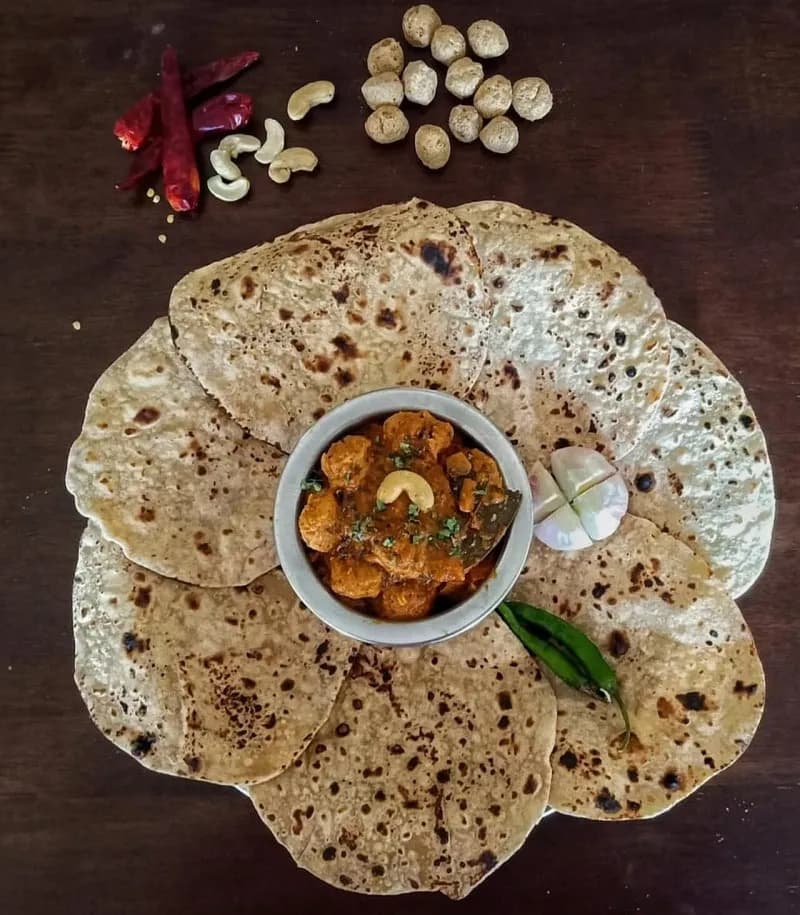
Photo: Vaishak1793, CC BY-SA 4.0, via Wikimedia Commons
How to Cook and Use Soya Chunks
- Soak dry chunks in hot water for 10-15 minutes until soft, then squeeze out excess water before cooking — this removes the slightly beany aftertaste some people notice.
- Add to curries, pulao, or stir-fries in place of (or alongside) paneer or tofu for a similar texture with less fat.
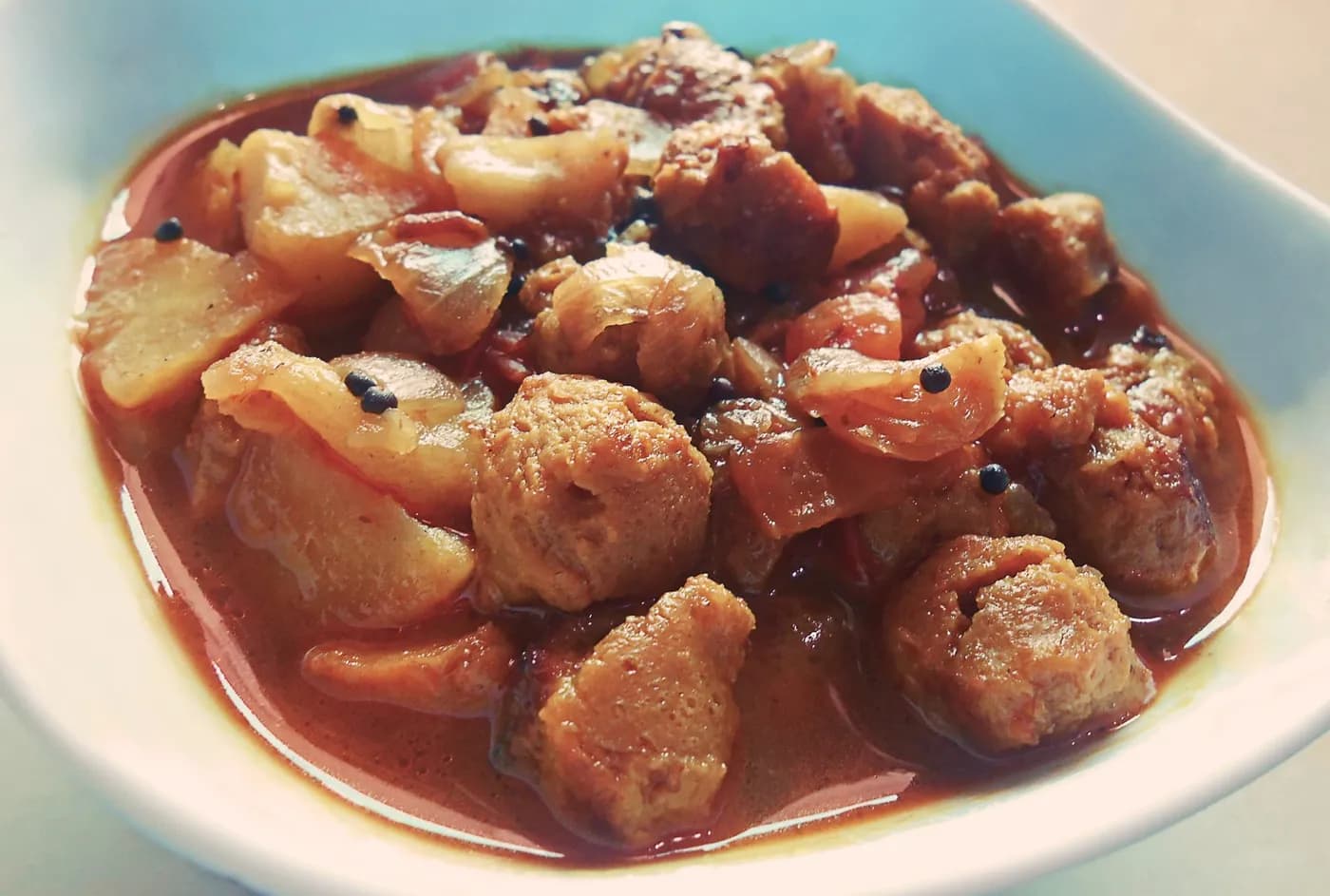
- A simple soya chunk curry with onion-tomato masala is one of the most common ways Indian households use them, and it’s an easy way to get a solid dose of protein in soya chunks into a regular meal.
- Store dry chunks in an airtight container; they keep for months, making them a convenient pantry protein.
If you’re trying to build a full day’s plate around this, it helps to see soya chunks alongside other high-protein vegetarian foods and to check the number against your own daily protein requirement, since the right amount depends on your body weight and activity level.
A Caveat: Amino Acid Completeness
Soy is one of the few plant proteins considered “complete,” meaning it contains all nine essential amino acids in reasonable amounts — unlike most legumes and grains, which are typically low in one or two. This makes the protein in soya chunks a genuinely strong standalone source, though variety across dals, dairy, and grains is still the more reliable way to cover your overall amino acid needs across a week.
Myths vs Facts About Soya Chunks
A few misconceptions come up often enough to address directly:
- Myth: Soya chunks are “processed junk food.” Fact: they’re simply defatted soy flour, extruded and dried — a minimally processed whole-food product, not comparable to processed meat substitutes loaded with additives. The protein in soya chunks comes from a straightforward, minimally processed source, not a lab-engineered one.
- Myth: Eating soya chunks regularly disrupts hormones. Fact: the isoflavones in soy have been studied extensively, and moderate daily intake — the kind found in Indian vegetarian diets — hasn’t been shown to cause hormonal issues in the general population; concerns mostly stem from outdated or misapplied research.
- Myth: The protein isn’t absorbed as well as animal protein. Fact: soy protein digestibility is comparable to many animal proteins when cooked properly, since cooking breaks down the anti-nutrients that would otherwise reduce absorption.
- Myth: You need huge portions to get meaningful protein. Fact: even a modest 30g dry serving (about 3 tablespoons) delivers roughly 15-16g of protein once you account for rehydration — a genuinely efficient way to add protein in soya chunks to a single meal.
Fitting Soya Chunks Into a Weekly Meal Plan
A practical way to use soya chunks without meal fatigue is to rotate them through 2-3 meals a week rather than eating them daily — a soya chunk curry on one day, a soya-and-vegetable pulao on another, and soya chunks tossed into a stir-fry on a third. This spreads out the protein in soya chunks across the week while keeping your plate varied with paneer, tofu, and dals on the other days. For most vegetarians strength training regularly, 60-80g dry weight of soya chunks across a week fits comfortably alongside other protein sources without crowding them out.
Frequently Asked Questions
Related Articles
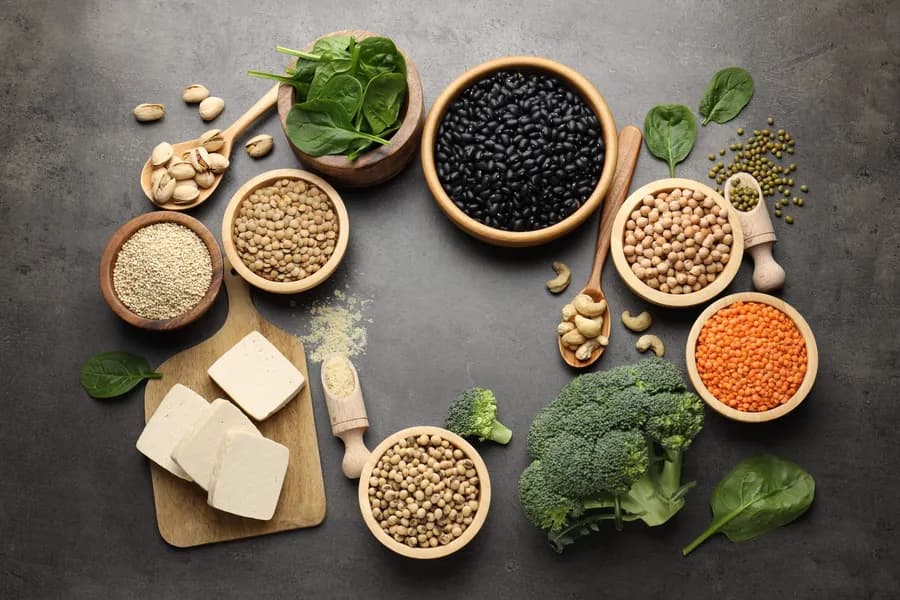
Protein rich vegetarian foods: the perfect plate habit
Learn how protein rich vegetarian foods support energy, strength and fullness. Use the perfect plate habit with greens, grains and protein.

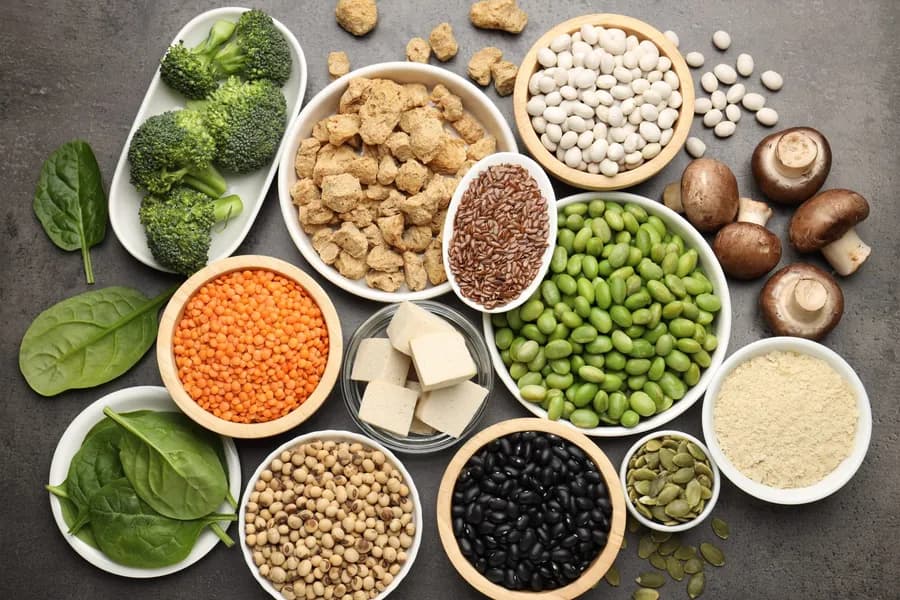
Daily protein intake: why your body needs protein every day
Daily protein intake matters because your body uses protein every day for repair, recovery and daily function. Learn simple vegetarian protein habits.

Iron rich foods need protein: 1/4th plate habit
Eating iron rich foods is important, but protein helps your body use iron better. Learn the 1/4th plate protein habit with simple vegetarian foods.