
Protein rich foods: how protein helps recovery
Protein-rich foods play a direct role in recovery — repair, energy, and staying full. See simple, everyday Indian foods that help you get enough.
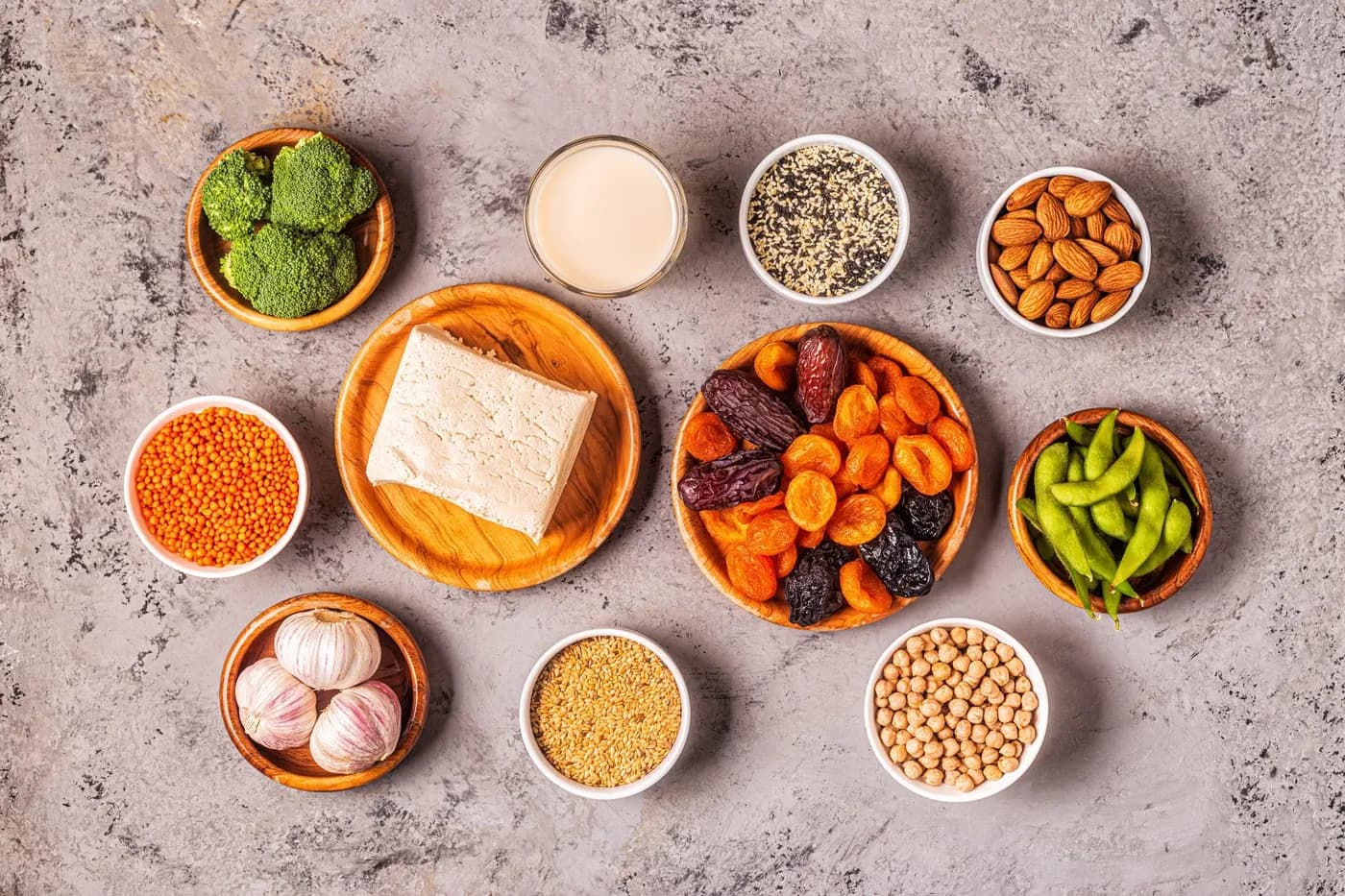
Key Takeaways
- Protein supports repair and recovery, not just muscle building after workouts.
- Daily meals should include a clear protein source, not just carbs and vegetables.
- Food-first protein habits, without powders or supplements, are enough for many people.
- Dal, chana, curd, sprouts, paneer, and tofu are the easiest everyday sources.
- A one-sided plate can leave you hungry again soon after eating.
Protein rich foods is a simple nutrition idea that can make everyday eating easier to understand. For Habuild readers, the goal is not to follow a strict diet. The goal is to notice one small thing on the plate and make it better. This article explains the idea in plain language, with Indian meal examples that are easy to use at home.
Many people know what is healthy in theory, but daily food becomes confusing. Some days the plate is mostly rice or roti. Some days snacks replace meals. Some days vegetables are present, but protein or fibre is missing. A simple plate habit helps you correct this without counting every calorie.
Use this as a practical guide, not as a rulebook. Start with the foods you already eat. Then add the missing part slowly, whether that is vegetables, dal, curd, sprouts, millet, nuts, seeds or a better snack.
What this habit means
In simple words, protein rich foods means looking at food as a daily support system. Your plate should not depend on only one food group. A plate with some grains, some vegetables, some protein and some healthy fat usually feels more complete than a plate that is only one thing.
Indian dietary guidance encourages variety in meals, including cereals or millets, pulses, vegetables, fruits, milk or curd, nuts and seeds in suitable portions. That is why Habuild’s plate-style approach is easy for most homes. You can use it with dal-rice, roti-sabji, poha, upma, dosa, khichdi, salad bowls or millet meals. Source: NIN dietary guidance
The easiest question is: what is missing from this meal? If vegetables are missing, add salad or sabji. If protein is missing, add dal, chana, curd or paneer. If fibre is missing, keep the grain less polished and add vegetables. Small corrections done daily are better than a perfect plan done once.
Why it matters
- Protein supports repair and recovery.
- Daily meals should include a clear protein source.
- Food-first protein habits are enough for many people.
Why it matters for everyday meals
Protein rich foods matters because our bodies use food all day, not only during mealtimes. Food gives energy, supports digestion, helps repair tissues and keeps hunger more stable. When the plate is too one-sided, you may feel hungry soon, sleepy after eating or tempted to snack repeatedly.
A balanced meal does not have to look fancy. Roti with sabji, dal and curd is a strong meal. Rice with rajma and salad is also strong. Poha with sprouts, peanuts and curd is better than plain poha with only sev. The difference is not in the name of the dish; it is in the balance.
For most people, the best food habit is the one they can repeat. That is why simple Indian foods work well. They are familiar, affordable and easy to adjust.
Simple signs your meal needs balance
- You feel hungry again very soon.
- You feel heavy or sleepy after a large carb-heavy meal.
- You depend on tea, biscuits or packaged snacks between meals.
- Your plate has very little colour or variety.
How to use this habit at home
Start with one meal in the day. Lunch is often the easiest because it usually has a full plate. Look at the plate before eating and make one small change. Add one bowl of dal, one cup of curd, one spoon of seeds, one katori of sprouts, one extra vegetable or one fruit depending on the topic.
Do not change everything at once. If you suddenly add too much fibre or too many pulses, your stomach may feel uncomfortable. If you suddenly remove all carbs, your energy may drop. Slow changes are easier for the body and easier for the family to accept.
The best habit is visible. Keep chopped salad ready. Keep roasted chana or peanuts nearby. Soak dal or millets in advance. Keep curd at home. These small preparations make healthy eating less dependent on willpower.
Easy plate examples
- Dal and rice
- Chana with roti
- Curd with millet khichdi
- Tofu sabji
- Sattu drink
Common mistakes to avoid
The first mistake is thinking that one healthy food can fix the whole meal. Millets are useful, but a millet meal still needs vegetables and protein. Salads are useful, but a salad with only cucumber may not keep you full for long. Protein is useful, but deep-fried protein snacks are not the same as a balanced plate.
The second mistake is making the habit too strict. A strict plan often breaks quickly. A flexible habit lasts longer. If one meal is not balanced, make the next meal better. If one day is busy, come back the next day.
The third mistake is copying someone else’s plate exactly. Your hunger, routine, digestion and activity level may be different. Use the idea, but adjust the portion.
Quick fixes
- Add lemon or salad to a heavy meal.
- Add curd or dal when the plate is mostly rice or roti.
- Choose roasted or steamed snacks more often than fried snacks.
- Use whole grains and millets in rotation, not as a forced replacement every day.
Remember
Protein rich foods works best when it becomes a small daily habit. You do not need to eat perfectly. You only need to notice your plate and improve one thing at a time.
Keep meals simple. Keep them vegetarian, balanced and home-style. Add colour, add protein, add fibre, and keep portions comfortable. Over a few weeks, these small choices become normal.
Food should support your routine, not make it stressful. That is the Habuild way: small habits, repeated with ease.
Frequently Asked Questions
Related Articles
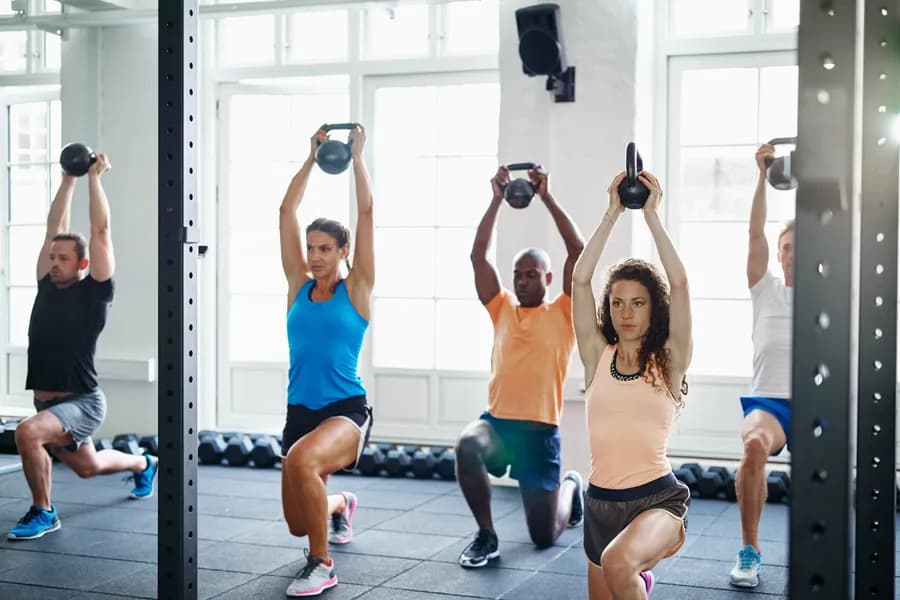
Diet for Strength Training: a Practical Eating Guide for Muscle and Recovery
Explore protein, carbohydrates, healthy fats and meal planning for strength training, muscle building and recovery.
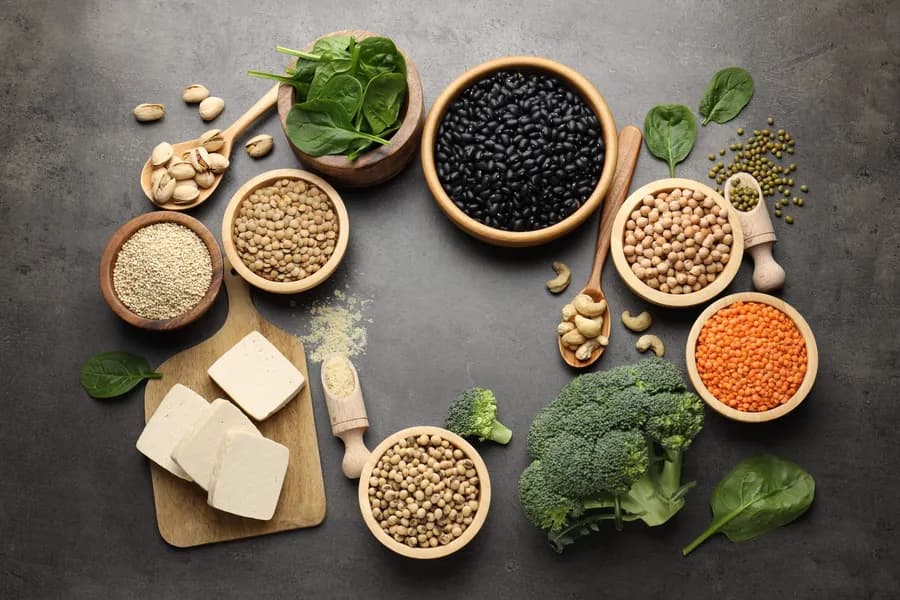
Protein rich vegetarian foods: the perfect plate habit
Learn how protein rich vegetarian foods support energy, strength and fullness. Use the perfect plate habit with greens, grains and protein.

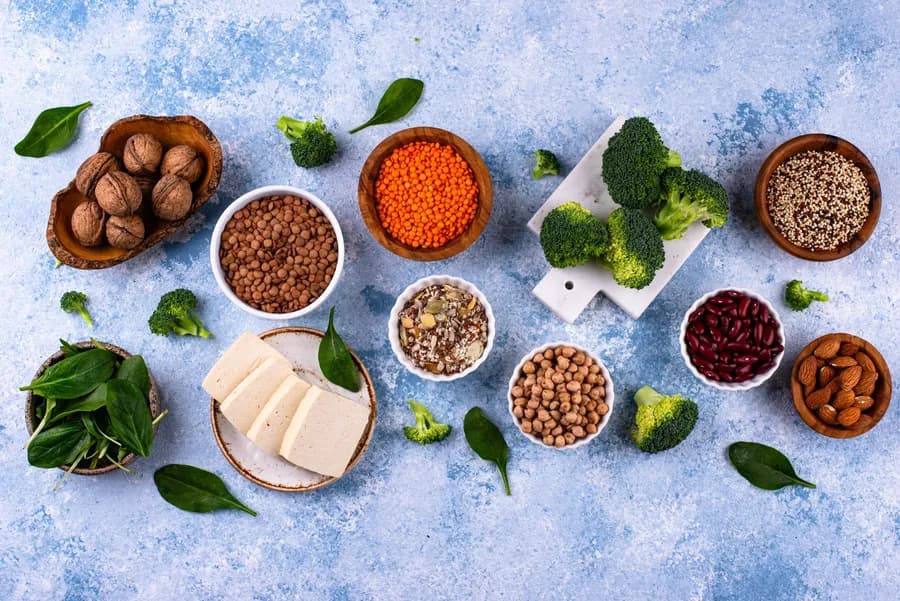
Iron rich foods need protein: 1/4th plate habit
Eating iron rich foods is important, but protein helps your body use iron better. Learn the 1/4th plate protein habit with simple vegetarian foods.