
Protein-Rich Snacks: Vegetarian Ideas
A useful protein-rich snack should solve a real gap between meals, not become an extra meal added automatically.
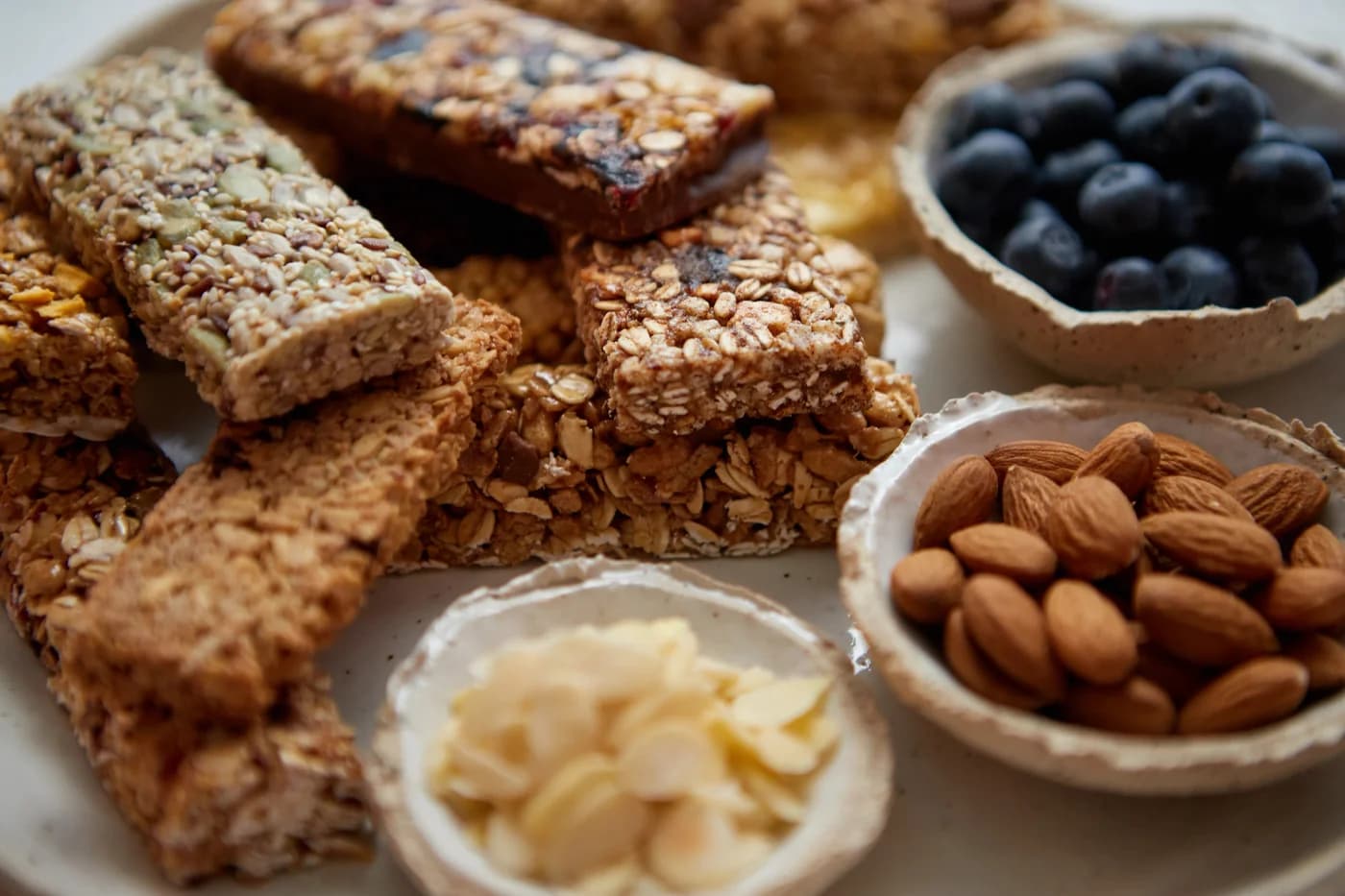
Key Takeaways
- Roasted chana, curd, paneer, tofu, soy nuts and hummus give protein without a powder or bar.
- Check grams of protein per realistic portion rather than trusting a 'high protein' label.
- Pair protein with fruit, vegetables or whole grains when you need a more filling snack.
- Keep curd, paneer and tofu chilled; roasted chana or soy nuts travel better.
A useful protein-rich snack should solve a real gap between meals, not become an extra meal added automatically. The best choice depends on total daily protein, hunger, activity, dietary preference and how far away the next proper meal is. These vegetarian protein rich snacks use everyday Indian foods first, with packaged options and powders as backups rather than defaults.
Start by deciding what the snack needs to do
A snack can bridge a long gap, support recovery after activity or simply answer genuine hunger. The right size depends on how soon the next meal arrives. A small bowl of curd may be enough an hour before dinner, while a long afternoon gap may call for curd plus roasted chana or fruit.
How much protein should a snack provide?
There is no compulsory target for every snack. Someone who eats adequate protein at three meals may not need one, while an athlete, older adult or person with a small appetite may benefit from spreading protein through the day. Daily needs depend on body size, age, training and health.
Easy vegetarian options
- Roasted chana with chopped cucumber and lemon
- Unsweetened curd or Greek-style yoghurt with seeds
- Paneer or tofu cubes with tomato
- Hummus with carrot or other vegetable sticks
- Soy nuts, or steamed edamame where available
- A glass of milk
- Sprouts that have been handled safely
- Peanut chaat or a small besan or moong chilla
- A measured mix of nuts and seeds
Nuts and peanuts are nutritious but calorie-dense, so a large handful is not a lean protein serving. These foods are not nutritionally identical either: dairy offers calcium, soy provides a complete plant protein and pulses contribute fibre. Rotating options widens nutrient coverage and keeps snack time from becoming monotonous.
Mini-meals for bigger hunger
When hunger is stronger, turn the snack into a compact mini-meal: moong-dal chilla with curd, a paneer-and-vegetable roll, tofu bhurji on whole-grain toast, soy-chunk chaat or a small bowl of dal with millet. These combinations provide more protein and staying power than biscuits or namkeen alone.
Pairing for better satisfaction
Fibre-rich carbohydrate and a little fat can improve satisfaction: curd with fruit, hummus with carrots, roasted chana with chopped vegetables, paneer with an apple or tofu with whole-grain toast. Match the pairing to hunger and activity; a pre-workout snack may need more easily digested carbohydrate than a snack eaten during a sedentary workday.
Most people do not need to combine specific plant proteins in every mouthful. Varied pulses, grains, soy, nuts, seeds and dairy across the day supply a useful range of amino acids. Total intake and distribution matter more than ritual pairings.
Protein bars and packaged snacks
A prominent "high protein" claim can distract from added sugar, sodium, saturated fat or a very large serving. Compare protein per realistic portion, not per 100 grams alone, and read the ingredient list. Some bars are closer to confectionery with added protein, while chips labelled "protein" may remain salty and energy-dense. Sugar alcohols or added fibres can cause bloating, and a high price does not guarantee a better amino-acid profile.
Do you need protein powder?
Powder is convenient when food access, appetite or requirements make it useful, but it is not essential for most people. Choose a transparent product with third-party quality testing, avoid proprietary blends and skip anything promising rapid fat loss, detoxification or hormone changes. Kidney disease, pregnancy, medication use or competitive sport certification warrants professional guidance.
Timing, storage and travel
Protein after exercise does not have a tiny emergency window; a suitable meal or snack within the surrounding hours is practical. Refrigerate curd, paneer, tofu and cooked pulses promptly, and use an insulated lunch bag when carrying them for several hours. For travel, shelf-stable roasted chana, soy nuts, sealed milk or a carefully selected packaged option may be safer than dairy or tofu kept without refrigeration.
Comfort, allergy and medical context
Increase pulses and seeds gradually if a sudden fibre load causes gas. People with a dairy allergy need dairy-free options; lactose intolerance may allow curd or lactose-free milk, but tolerance varies. Nut and soy allergies require careful label reading because cross-contact is common.
Kidney disease and certain metabolic conditions can change protein advice. In those cases, copying a fitness influencer's snack plan may be unsafe, and individual advice is more useful than a universal target.
Editorial sources
Frequently Asked Questions
Related Articles
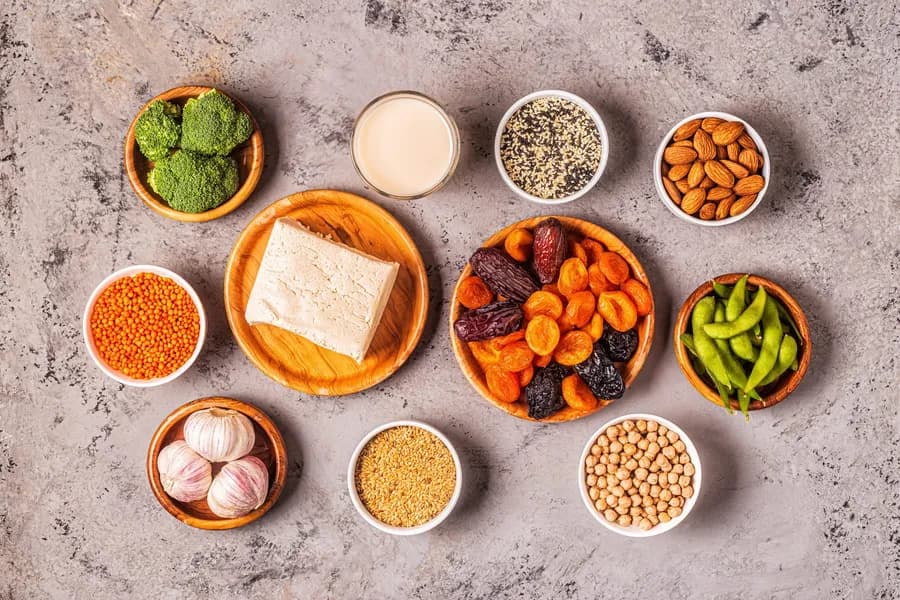
Protein rich foods: how protein helps recovery
Protein-rich foods play a direct role in recovery — repair, energy, and staying full. See simple, everyday Indian foods that help you get enough.
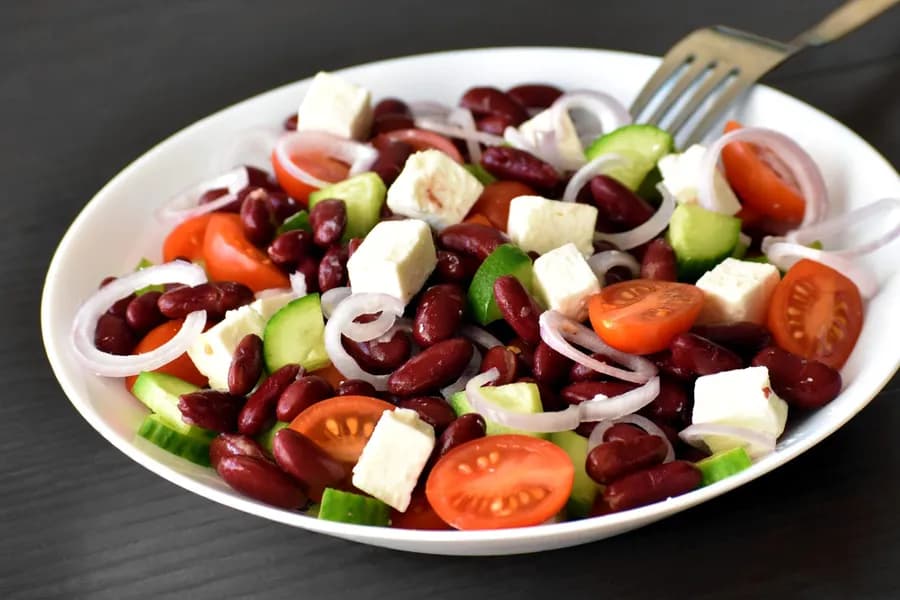
Protein-rich breakfast salad: simple vegetarian recipe
A protein-rich breakfast salad made with chickpeas, rajma, or sprouts, vegetables, peanuts, and hung curd is quick, filling, and easy to build from.
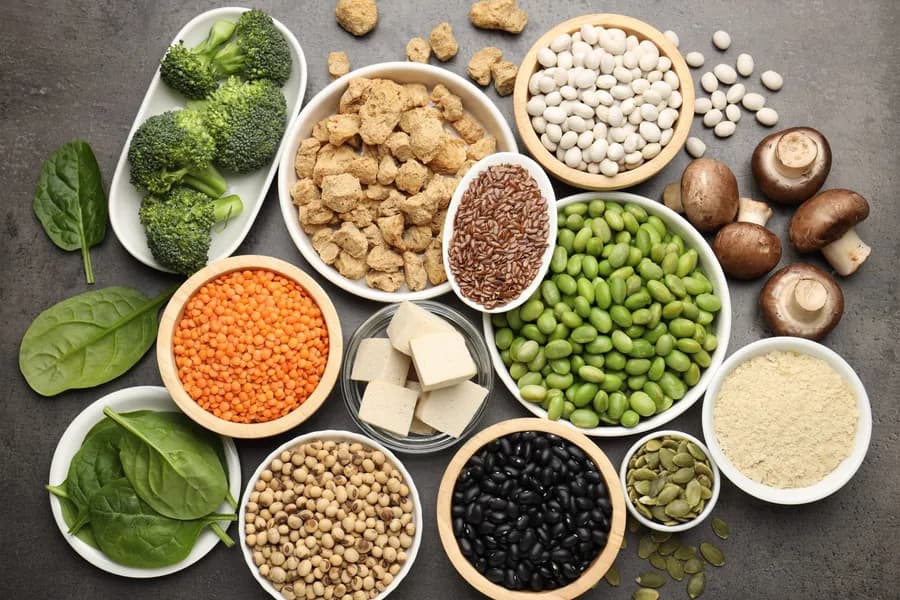
High Protein Vegetarian Foods: The Complete Indian Food List
Indian kitchens are already full of high protein vegetarian foods — dals, paneer, tofu, soy, and dairy. See the complete list, with protein counts, and.
