
Pumpkin Seeds Benefits: Nutrition and Easy Uses
Pumpkin seeds provide protein, unsaturated fat, magnesium and zinc. Learn benefits, sensible portions, easy uses and storage tips.
Key Takeaways
- Pumpkin seeds benefits add protein, healthy fats and minerals.
- A small handful is enough because seeds are energy-dense.
- Choose unsalted seeds more often.
- They support a balanced diet but do not cure disease.
Pumpkin seeds benefits provide protein, unsaturated fat, magnesium and zinc. Learn sensible portions, easy uses and how to choose them.
What are pumpkin seeds benefits?
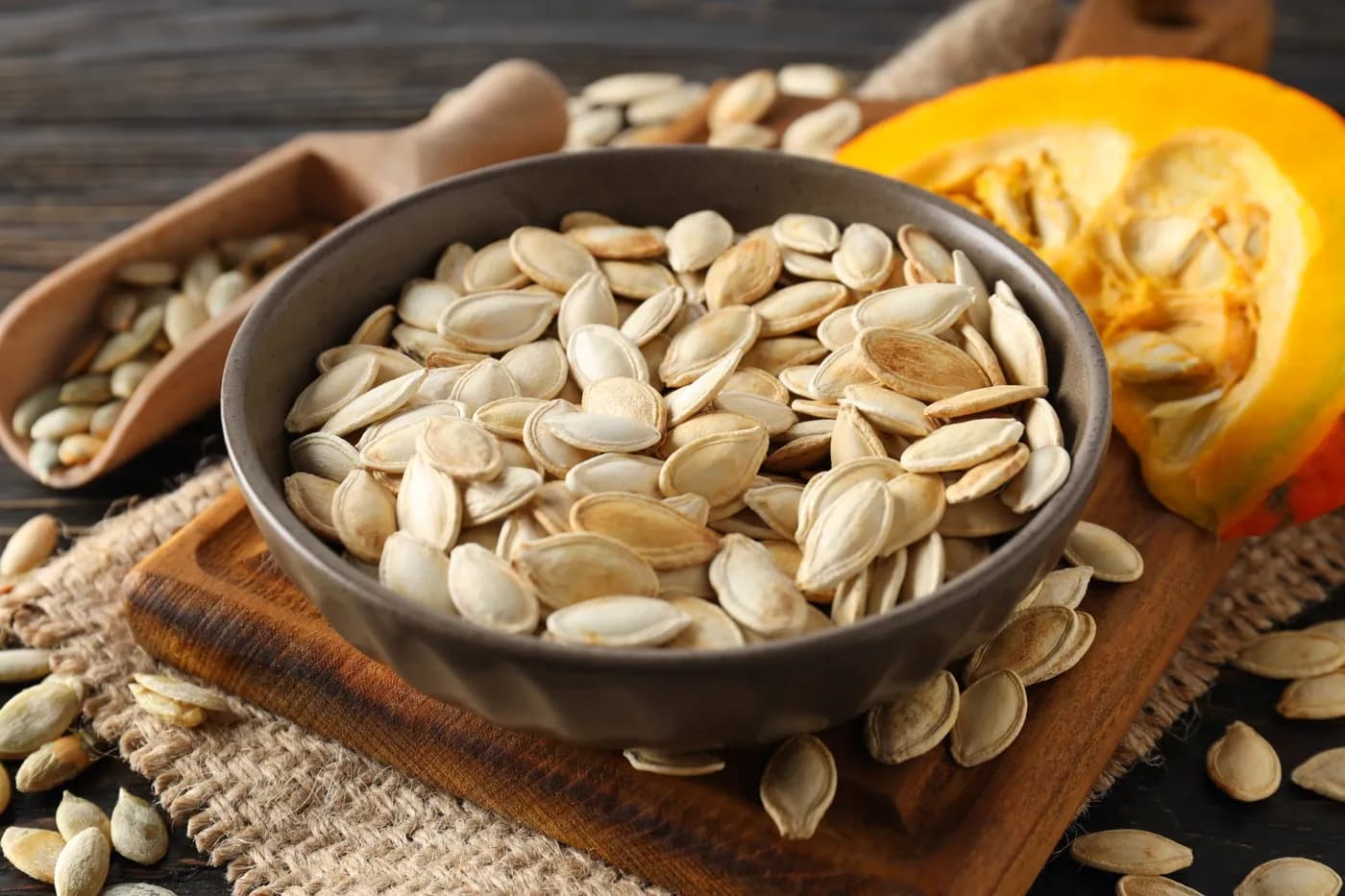
Pumpkin seeds benefits are the edible seeds inside pumpkins. Green kernels without the white shell are often called pepitas.
You can eat the whole roasted seed or the hulled kernel. Nutrition varies with variety, roasting, salt and serving size.
What nutrition do they provide?
Pumpkin seeds benefits provide protein, unsaturated fats, fibre and minerals including magnesium, zinc, iron and potassium. Reviews also describe phytosterols and plant compounds. (1)
They are concentrated foods. A small serving gives useful nutrients without needing a large bowl.
Possible benefits
Magnesium
Magnesium supports muscle and nerve function, blood pressure, bone and energy metabolism. Pumpkin seeds benefits can be one source alongside beans, greens, whole grains and nuts.
Zinc
Zinc supports immune function, growth and tissue repair. Extra zinc does not prevent every infection, and high-dose supplements can cause problems.
Unsaturated fats
Using seeds instead of some fried snacks or foods high in saturated fat can improve the type of fat in the diet.
Protein and fullness
Seeds add some protein and may make a snack more filling. Dal, beans, soy, dairy or eggs are still stronger meal anchors.
How much should you eat?
A practical portion is about one to two tablespoons or a small closed handful. Your needs may differ.
Put the portion in a bowl instead of eating from the packet. Salted seeds can add a lot of sodium when eaten mindlessly.
Easy ways to use pumpkin seeds benefits
- Sprinkle them on curd or raita.
- Add them to oats or porridge.
- Mix them into salad or soup.
- Blend a small amount into chutney.
- Add them to poha or upma.
- Use them with fruit for a snack.
For more seed-and-meal ideas, read Habuild’s Diet and Nutrition guide.
If you’re also curious about Magnesium Rich Foods or Vegetarian protein, both are worth a read.
Raw or roasted?
Both can be nutritious. Light roasting changes flavour and texture. High heat for too long can make fats taste rancid.
Choose plain or lightly salted products. Sweet coatings and heavy masala can add sugar, oil or sodium.
How to roast seeds at home
- Rinse seeds removed from a pumpkin.
- Dry them thoroughly.
- Toss with a little oil and spice.
- Roast in a single layer until crisp.
- Cool fully before storing.
Store seeds in a sealed container away from heat and light. Refrigeration can help in hot weather. Discard them if they smell bitter, stale or paint-like.
Claims about sleep and prostate health
Pumpkin seeds benefits contain magnesium and tryptophan, but a spoonful is not a sleeping pill. Sleep depends on routine, light, stress, health and other factors.
Pumpkin-seed products have been studied for urinary symptoms, but eating seeds has not been proven to treat an enlarged prostate. Seek medical care for weak flow, pain, blood in urine or inability to urinate.
Safety and allergy
Seed allergy is possible. Seek urgent help for breathing trouble, throat swelling, fainting or widespread hives.
Whole seeds can be a choking risk for young children or people with swallowing difficulty. Use ground seeds or an age-safe form.
A sudden large fibre increase may cause gas or loose stools. Start small.
People with kidney disease, sodium restrictions or special mineral limits should ask about a safe product and portion.
A simple seed habit
Add one tablespoon to a familiar meal three times this week. Notice taste, fullness and whether you remember the portion easily.
Rotate with sesame, flax, chia, sunflower seeds and nuts. Variety provides different nutrients.
Frequently Asked Questions
Related Articles

Healthy fats: why your body needs fat
Healthy fats help your body absorb vitamins and support brain, hormones, joints, cells and daily meals. Learn simple vegetarian sources and habits.

Good fats vs bad fats: choose fats wisely
Understand good fats vs bad fats in simple words. Learn which vegetarian fats to choose, what to reduce and how to read food labels better.
