Sea Buckthorn Benefits: What It Means for a Balanced Diet
Sea buckthorn benefits is linked with dietary fat, cooking choices or heart-health questions. Type, quantity and what it replaces are all important.
Key Takeaways
- Sea buckthorn berries provide vitamin C and colourful plant compounds, although amounts vary by.
- Pulp oil and seed oil have different fatty-acid profiles and should not be considered.
- Small human studies have explored dry eye, skin and heart-related outcomes, but the evidence.
- Juices and spreads may contain added sugar, while oils and capsules are concentrated products.
- People taking regular medicines, preparing for surgery, or who are pregnant or breastfeeding.
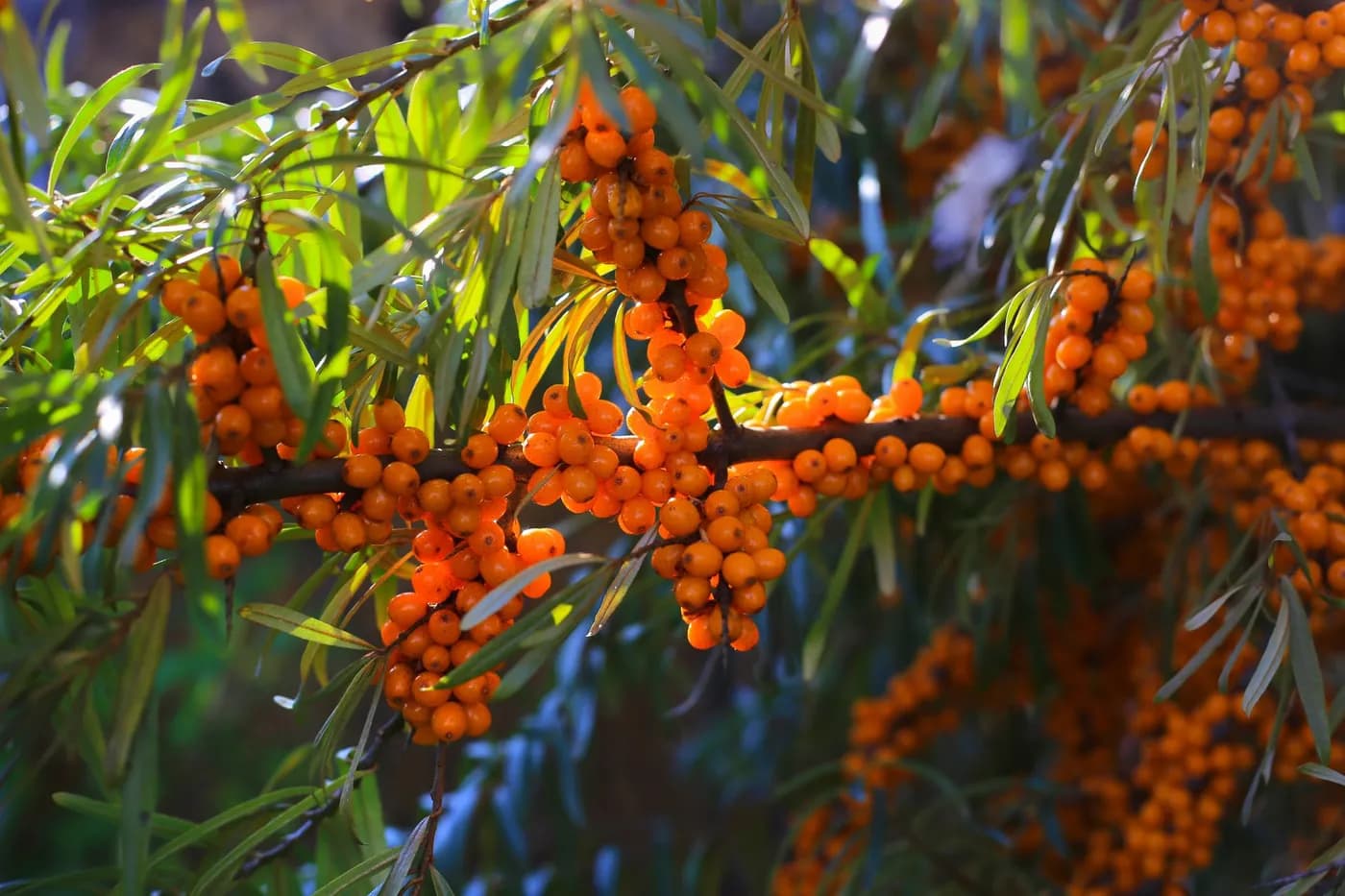
Sea buckthorn is a small orange berry from the Hippophae rhamnoides plant. It grows in cold, dry regions, including parts of the Himalayas, and has a distinctly tart taste. You may find it as juice, purée, powder, seed oil, pulp oil, capsules or skincare products.
Interest in sea buckthorn benefits comes from its vitamin C, carotenoids, plant compounds and unusual fatty-acid profile. However, the form and portion matter. Eating a berry product is not the same as taking a concentrated extract, and early research should not be treated as proof of a cure.
What is sea buckthorn?
Sea buckthorn is a thorny shrub that produces bright orange berries. The fruit is naturally sour, so it is often processed rather than eaten by itself. Traditional uses do not automatically prove a modern health claim, but the plant remains an interesting food because different parts contain different nutrients.
The berries contain water, carbohydrate, fibre and micronutrients, while carotenoids contribute to their colour. Seeds and pulp can be pressed into oils. Variety and processing change the final composition.
Nutrition in different forms
Berries, purée and juice
Whole berries and minimally processed purée retain more of the fruit’s natural components than a filtered drink. Sea buckthorn is known for vitamin C, but the exact amount is not fixed. Heat, light and long storage can reduce it.
Juice can be convenient, yet sweetened versions may contain a meaningful amount of added sugar.
Seed oil and pulp oil
Seed oil generally contains more polyunsaturated fats, while pulp oil is especially associated with palmitoleic acid, often marketed as omega-7.
Omega-7 is a descriptive name, not proof that the product treats a condition. Oils provide fat and energy but little or none of the fibre found in the fruit.
Powders and capsules
Powders may be made from fruit, seeds or extracts, while capsules deliver concentrated oil or extract. Differences in dose and standardisation mean one research product cannot represent every supplement.
Possible sea buckthorn benefits
A source of colourful plant compounds
The fruit contains carotenoids, flavonoids and other compounds that can contribute to dietary variety. These substances are often described as antioxidants because they take part in processes related to oxidative stress.
That does not mean a juice or capsule can “detox” the body or prevent disease on its own.
Heart and metabolic health
Researchers have examined its oils and extracts for cholesterol, blood pressure and blood-sugar outcomes. Small studies have produced mixed results, so firm conclusions are difficult.
Sea buckthorn should not replace medicine or established health habits. Reviews of the available research note that human evidence remains limited despite some promising findings. (pmc.ncbi.nlm.nih.gov)
Dry-eye research
A few small clinical trials have tested defined oral oils for dry-eye symptoms and reported modest improvements. They do not show that any berry drink or oil treats dry eye. (pubmed.ncbi.nlm.nih.gov)
Persistent dryness, pain, light sensitivity or vision changes need professional assessment.
Skin and mucosal health
The oil appears in moisturisers and has been studied for skin and mucosal concerns, but evidence is still developing. Topical products can irritate skin.
Patch-test a new product first and stop using it if burning, swelling or a rash develops.
How to use it in a balanced diet
Its sharp flavour works best as one component of a meal rather than as a medicinal shot. If it is available where you live, practical options include:
- Stirring a small amount of unsweetened purée into plain curd or oats.
- Diluting unsweetened juice with water instead of drinking a large concentrated serving.
- Blending the fruit with banana or another naturally sweet fruit in a smoothie.
- Using it in a chutney or dressing with herbs and spices.
- Choosing a lightly sweetened spread and treating it like jam rather than a supplement.
Check the label carefully. A product described as a “sea buckthorn drink” may contain little fruit plus sugar or other juices.
It is not an essential food, and locally available fruits can also provide dietary variety. A balanced eating pattern matters more than adding one expensive or unusual product.
Portions and timing
There is no universally accepted food portion or therapeutic dose.
For juice, purée and spreads, begin with the serving suggested on the label and consider the added-sugar content. For oils or capsules, do not assume that taking more will produce greater benefits.
Taking sea buckthorn in the morning, at night or on an empty stomach has not been shown to create a special advantage.
People trying it for the first time may prefer a small amount because the fruit is acidic and concentrated products can cause digestive discomfort. It should complement meals, not displace vegetables, pulses, whole grains, nuts, seeds and other fruits.
Safety and medicine interactions
Food portions are different from concentrated supplements. Possible concerns include stomach upset and allergic reactions.
Seek urgent medical help for breathing difficulty, facial or throat swelling, faintness or widespread hives.
Supplement use deserves extra care if you take medicines that affect:
- Blood clotting
- Blood pressure
- Blood glucose
Supplements may interact with blood-thinning and other medicines, so regular use should be discussed with a qualified clinician. (Uses, Side Effects, and More)
Decisions about stopping supplements before surgery should be made with your surgical team. Safety information during pregnancy and breastfeeding is limited, so concentrated products should be avoided unless a clinician recommends them.
Also check the botanical name. Sea buckthorn, Hippophae rhamnoides, is not the same as other plants called buckthorn, some of which are used as stimulant laxatives. Similar common names do not mean similar effects or safety. (NCBI)
What sea buckthorn cannot do
Sea buckthorn cannot detoxify the liver, melt body fat, cure diabetes, replace eye treatment or guarantee glowing skin.
Its realistic value is as a tart fruit with interesting nutrients and culinary uses. Supplements may be studied for specific purposes, but the overall evidence is not strong enough for sweeping health promises.
Frequently Asked Questions
Related Articles
Healthy fats: why your body needs fat
Healthy fats help your body absorb vitamins and support brain, hormones, joints, cells and daily meals. Learn simple vegetarian sources and habits.

Good fats vs bad fats: choose fats wisely
Understand good fats vs bad fats in simple words. Learn which vegetarian fats to choose, what to reduce and how to read food labels better.