
Seed mix recipe with til, alsi and sunflower seeds
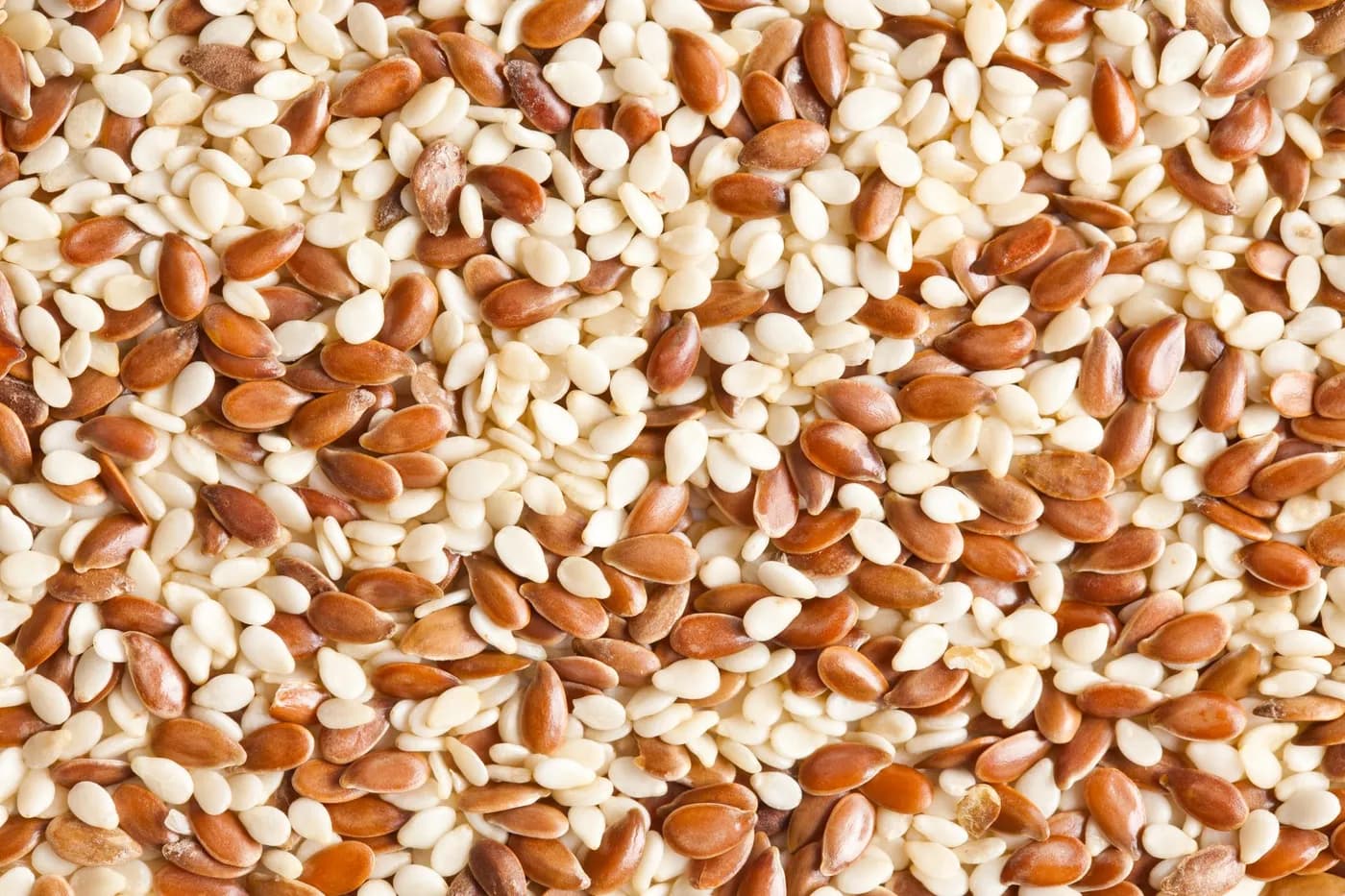
A spoon of roasted sesame, flaxseed, and sunflower seeds sprinkled over curd or salad adds texture, minerals, and healthy fat. See the full recipe.
Key Takeaways
- Combines sesame, flax, and sunflower seeds as a topping, not a snack on its own.
- Meant to be sprinkled a teaspoon at a time over curd, salad, or sabzi.
- Lightly crushing flaxseed helps it break down; whole seeds can pass through undigested.
- Roast each seed separately since they crisp at different rates and can burn easily.
- Cool all seeds fully before mixing or storing to avoid trapping moisture.
A small seed mix can make an ordinary lunch feel more interesting without changing the full meal. This recipe combines sesame seeds, flaxseeds and sunflower seeds. Each seed is dry roasted separately, cooled and stored in a clean jar. One teaspoon can then be sprinkled over curd, salad, sabzi or a bowl meal.
The mix is meant to be a topping, not a large snack. Seeds contain useful fats, some protein, fibre and minerals, but they are also energy-dense. A measured spoon gives texture and variety while keeping the portion practical.
Indian dietary guidance includes nuts and seeds as part of a varied diet. It also asks people to balance food groups rather than rely on powders or single “magic” ingredients. This seed mix follows that idea: it is a small addition to a proper lunch, not a replacement for dal, vegetables or other foods.
Why these three seeds work well together
Sesame seeds or til
Til has a strong nutty taste and works well with curd, salads and chutneys. It adds crunch and contains minerals such as calcium, though the amount you get depends on the portion and whether the seed is hulled. Think of it as one small contributor to the day, not the only calcium source.
Flaxseeds or alsi
Flaxseed is a plant source of ALA, a type of omega-3 fat. The NIH omega-3 fact sheet lists flaxseed among plant foods that provide ALA. Lightly crushing flaxseed just before eating can make it easier to mix into food; whole seeds may pass through the digestive system without breaking fully.
Sunflower seeds
Sunflower seeds are mild and help balance the stronger taste of til and alsi. They also add texture, which is useful when a lunch is soft, such as khichdi, curd rice or dal-chawal.
Ingredients and portion guide
- 1 part sesame seeds (til)
- 1 part flaxseeds (alsi)
- 1 part sunflower seeds
You can use equal quantities, such as two tablespoons of each seed, for a small home batch. The exact ratio is flexible. Use less flaxseed if its flavour feels too strong, or add a little more sunflower seed for a milder mix.
How much to use
Start with one teaspoon per person. A large spoonful may feel heavy, especially if you are not used to seeds or high-fibre foods. Drink enough water during the day and increase slowly if the mix suits you.
People with seed allergies, swallowing difficulties or a medically prescribed low-fibre or low-fat diet should check with their clinician before adding a daily seed mix.
How to dry roast and store the seed mix
- Heat a clean, heavy pan on low flame. Keep three separate bowls ready.
- Add sesame seeds first. Stir continuously until they smell nutty and a few begin to pop. Remove them quickly so they do not burn.
- Add sunflower seeds to the same pan. Roast until lightly crisp and fragrant, then transfer to a second bowl.
- Add flaxseeds last. Roast on low flame until they smell toasted and begin to crackle. Do not wait for them to darken.
- Let all three seeds cool fully. Mixing or closing them while warm can trap moisture.
- Combine the cooled seeds and store them in a clean, dry, airtight glass jar.
- Keep a small portion whole. When serving, lightly crush the spoonful you plan to eat, especially if it contains flaxseed.
Make a small batch that you can finish within two to three weeks. Seeds contain natural oils, so a stale or paint-like smell is a sign to discard the mix. Store the jar away from heat and sunlight; refrigeration can help in very hot weather.
Easy ways to use the mix at lunch
The simplest use is one teaspoon over plain curd. The seeds add crunch without needing a packaged topping. You can also add the mix to cucumber raita, vegetable salad, sprouts, dal, khichdi or lightly cooked sabzi.
Smart pairings
- Curd, cucumber and seed mix
- Sprouts and tomato salad with seed mix
- Dal-chawal with a seed-topped kachumber
- Vegetable soup with a small seed garnish
- Paneer or tofu bhurji with seed mix on the side
Do not add the mix to a very hot pan and cook it for a long time. The seeds are already roasted. Sprinkle them at the end so they keep their taste and texture.
The My Plate guide shows why a topping works best as part of a larger plate: include vegetables, a cereal or millet, and a protein food such as dal, beans, curd, paneer or tofu.
Common mistakes and useful adjustments
Roasting all seeds together
Sesame, flax and sunflower seeds cook at different speeds. Roasting them together can leave one seed raw while another burns. Separate roasting takes a few extra minutes but gives a better result.
Using too much at once
A seed mix is concentrated. More is not automatically better. Start with one teaspoon, especially if you have a sensitive stomach. If you feel bloated, reduce the portion and use it less often.
Adding salt to the jar
Keep the stored mix plain. Salt and masala can attract moisture and limit the ways you use it. Season the food, not the full jar.
Indian dietary guidance supports eating a variety of nuts and seeds in sensible amounts while keeping the full diet balanced. This mix is useful because it makes that habit easy, but it does not need to appear at every meal.
Frequently Asked Questions
Related Articles
Veg Daliya Recipe: A Simple High-Fibre Meal
Veg daliya recipe made with broken wheat or millet daliya, mixed vegetables, jeera and ghee. A simple high-fibre meal for breakfast or lunch.


Healthy fats: why your body needs fat
Healthy fats help your body absorb vitamins and support brain, hormones, joints, cells and daily meals. Learn simple vegetarian sources and habits.