
Sesame Oil: Benefits, Cooking Uses and Safety
Sesame oil is linked with dietary fat, cooking choices or heart-health questions. Type, quantity and what it replaces are all important.
Key Takeaways
- Sesame oil contains mainly unsaturated fats.
- Replacing some saturated fat with unsaturated oil may support a heart-friendly eating pattern.
- Light or refined oil and dark toasted oil have different culinary uses.
- All oils are energy-dense, so measuring the amount is useful.
- Anyone with a sesame allergy must avoid the oil unless an allergy specialist confirms otherwise.
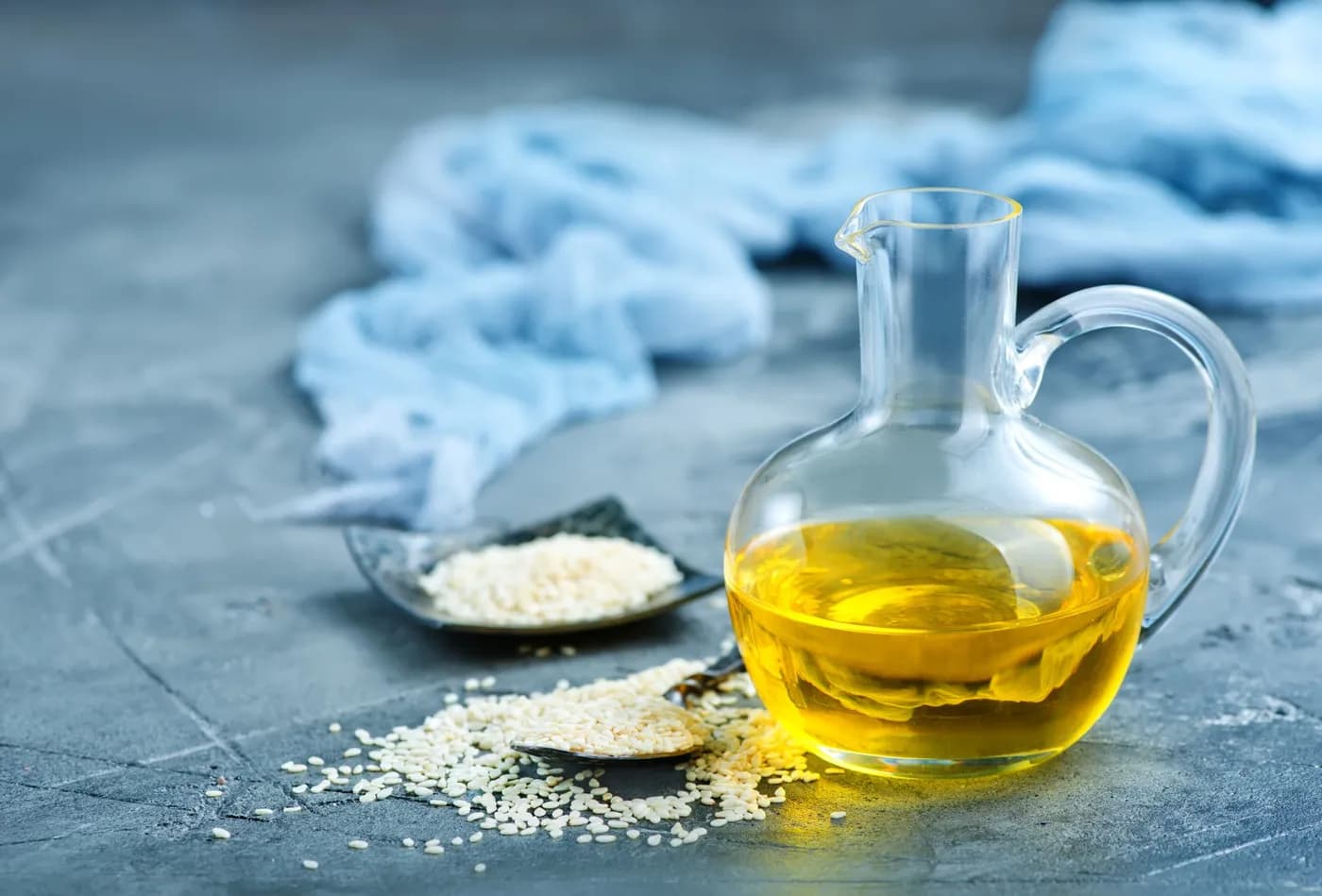
Sesame oil has a distinctive nutty flavour and is used in several Asian and Indian cuisines. It is made by pressing sesame seeds, but the colour, taste and best cooking use depend on whether the seeds were raw, toasted or the oil was refined.
Most of its energy comes from fat, particularly unsaturated fat. Sesame oil can fit a balanced vegetarian diet, but it is not a medicine and using more will not produce greater health benefits. The quantity, cooking method and foods it replaces matter.
What is sesame oil?
The oil is extracted from sesame seeds. Cold-pressed or unrefined versions generally retain a stronger seed-like aroma, while refined versions are milder. Toasted sesame oil is made from roasted seeds and has a darker colour and more concentrated flavour.
It may also be labelled gingelly or til oil. Check whether it is pure or blended with other oils.
Sesame oil nutrition
Like other cooking oils, sesame oil is almost entirely fat and provides substantial energy in a small volume. It contains monounsaturated and polyunsaturated fats, along with some saturated fat. It does not provide the fibre or protein found in whole sesame seeds or tahini.
Sesame seeds naturally contain compounds called sesamin and sesamol. Small amounts may remain in the oil, depending on processing. Although these compounds are studied for antioxidant activity, their presence does not turn the oil into a treatment for cholesterol, blood pressure or inflammation.
Possible sesame oil benefits
Provides unsaturated fat
The clearest nutritional benefit is its unsaturated-fat content. Health guidance recommends replacing some saturated fat with unsaturated fat rather than simply adding extra oil to a meal.
For example, using a measured amount of plant oil instead of repeatedly cooking with large amounts of butter or ghee may improve the overall fat balance.
Heart health still depends on the whole eating pattern, activity, sleep, smoking status, blood pressure and prescribed treatment.
Adds flavour in a small quantity
Toasted sesame oil has a strong aroma, so a small drizzle can bring depth to noodles, soups, vegetablesenants, tofu Eh and dressings.
The result depends on the recipe. Adding the oil to an already deep-fried or salty meal does not automatically make that meal heart-healthy.
Contains plant compounds
Laboratory and small clinical studies have explored its effects on oxidative stress, blood pressure, glucose and blood lipids. Results are not consistent enough to prescribe it for these conditions.
People taking medicines for diabetes, high blood pressure or high cholesterol should continue their treatment. A cooking oil cannot replace medical monitoring or prescribed medicine.
Choosing the right type for cooking
Light, untoasted or refined oil
Light-coloured sesame oil has a relatively mild flavour. Depending on how it was processed, it may suit sautéing, stir-frying, roasting or other everyday cooking.
Follow the manufacturer’s instructions because heat tolerance varies between products.
Cold-pressed or unrefined oil
Cold-pressed oil often has a fuller taste. Some products are intended for low- or medium-heat cooking, dressings or finishing.
Avoid assuming that every cold-pressed oil is designed for high heat. The product label is the best guide.
Toasted sesame oil
Dark toasted oil is mainly valued as a flavouring. Add a small amount to a finished soup, salad, stir-fry, chutney or noodle dish.
Prolonged high heat can reduce its aroma and make it taste bitter.
Easy vegetarian uses
- Whisk a little into a dressing with lemon or vinegar.
- Drizzle toasted oil over steamed vegetables or tofu.
- Use a measured amount in a vegetable stir-fry.
- Add a few drops to soup immediately before serving.
- Mix it into a peanut- or sesame-based chutney.
- Use it in a marinade for mushrooms, tofu or paneer.
The flavour pairs well with ginger, garlic, chilli, soy sauce, lime and spring onion. If soy sauce or another salty condiment is included, adjust the added salt accordingly.
How much should you use?
There is no special daily dose. Oil requirements depend on total energy needs, other fats in the diet and medical guidance.
Because one tablespoon provides roughly the same energy as a tablespoon of other pure oils, free-pouring can add more than expected.
Measure it with a spoon when learning portions. Consider oil used in tadka, frying and dressings alongside other fats in the meal.
Sesame allergy
Sesame can cause serious allergic reactions. Someone allergic to the seeds may also react to the oil, particularly less-refined varieties that can retain allergenic proteins. Do not test tolerance at home after a suspected reaction.
Symptoms can include:
- Hives
- Vomiting
- Facial or throat swelling
- Wheezing
- Breathing difficulty
- Faintness
Use prescribed emergency medicine and seek urgent care according to the person’s allergy plan. Read labels on oils, sauces, tahini, bakery foods, spice blends and restaurant dishes.
Storage and cooking safety
Keep the bottle tightly closed away from heat and sunlight. Refrigerate it after opening if the label recommends this.
Discard oil that smells stale, paint-like or unusually bitter. Do not repeatedly heat the same batch for frying, and do not leave hot oil unattended.
If an oil begins smoking, remove the pan from the heat safely and ventilate the kitchen.
Who may need individual advice?
Normal culinary use is different from supplements or large medicinal amounts.
People following a prescribed fat restriction, managing gallbladder or pancreatic disease, or needing a carefully controlled energy intake should follow their clinician’s plan.
Sesame oil is vegetarian and vegan when it is pure and has no animal-derived additives. Check flavoured blends if this is important to you.
What sesame oil cannot do
It cannot detoxify the body, burn belly fat, cure joint pain or independently prevent heart disease. Applying it to the skin or using it for oil pulling is not a substitute for dermatological or dental treatment.
Its dependable role is culinary: providing unsaturated fat and a distinctive flavour. Use a suitable type, measure it sensibly and build the rest of the meal around vegetables, pulses, whole grains and protein-rich foods.
Frequently Asked Questions
Related Articles
Ghee vs Refined Oil: Choose Healthy Fats Wisely
Understand ghee vs refined oil in simple words. Learn how to use fats in moderation, avoid reheated oils and choose better Indian cooking habits.

Healthy fats: why your body needs fat
Healthy fats help your body absorb vitamins and support brain, hormones, joints, cells and daily meals. Learn simple vegetarian sources and habits.
