South Indian Food Guide: A Nutritional Overview
Fermentation runs through most of South Indian cuisine — idli, dosa, and uttapam batter all rely on it — alongside lentil-based sambar and cooling curd.

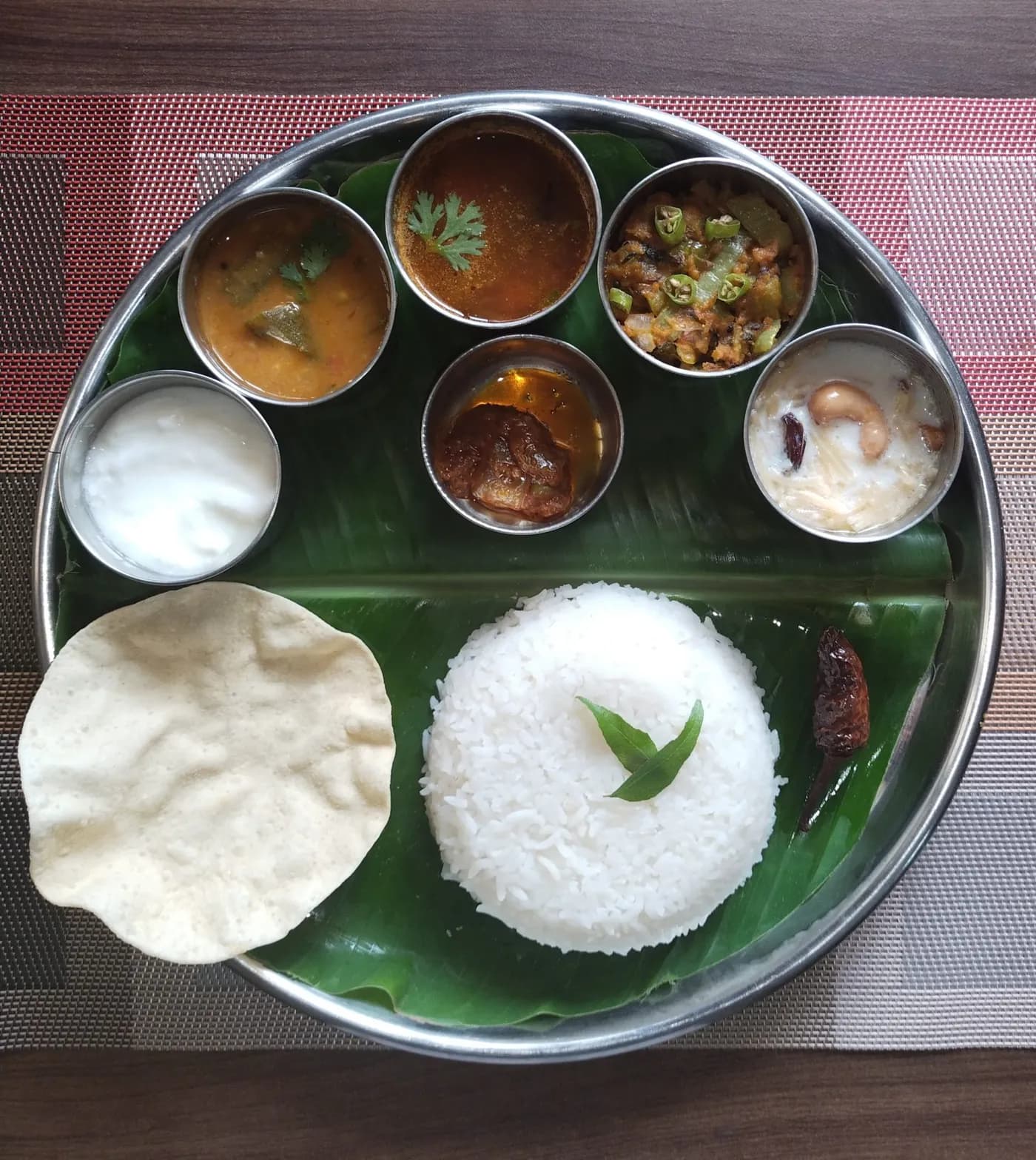
Key Takeaways
- Fermentation runs through the cuisine – idli, dosa, and appam batters ferment overnight.
- Rice paired with lentils, like sambar with rice, forms a more complete amino acid profile.
- Not a monolith of health food – deep-fried vadas and ghee-laden festive dishes exist too.
- Curd rice and buttermilk are daily staples that add calcium and probiotic bacteria.
- Fermentation partially breaks down starches, which is why idli suits sensitive digestion.
Any honest south indian food guide has to start with fermentation, because it’s the thread running through most of the cuisine — idli, dosa, and even the batter for uttapam all rely on a natural ferment that changes the nutrition profile before the food ever hits the pan. Add in lentil-based sambar, tamarind-forward rasam, and cooling curd rice, and you get a style of eating built around light, steamed or lightly-cooked staples rather than heavy, oil-laden dishes. That said, South Indian cuisine isn’t a single monolith of health food — it also includes deep-fried vadas, ghee-laden festive dishes, and rice portions that can run large. This south indian food guide breaks down what’s genuinely working in favour of the cuisine and where a bit of attention pays off.
South Indian Food Guide: At a Glance
- Fermented staples are common — idli, dosa, and appam batters ferment overnight, which improves nutrient availability and adds a mild probiotic effect.
- Rice and lentils appear together often — sambar with rice, or idli made from a rice-urad dal batter, forms a more complete amino acid profile than either ingredient alone.
- Coconut is a recurring ingredient — used in chutneys and curries, coconut adds healthy fats and flavour, though it’s calorie-dense and worth portioning.
- Curd (yogurt) is a daily staple — curd rice and buttermilk (majjige) support digestion and add calcium and probiotic bacteria.
- Vegetables are woven into the meal, not treated as a side note — sambar, poriyal, and kootu all pack in seasonal vegetables.
- Fried items exist but aren’t the everyday default — vada, bonda, and banana chips are more occasional treats than daily fare in most traditional households.
- Portion and pairing matter more than any single ingredient — the recurring theme of this south indian food guide is that balance comes from how dishes are combined, not from any one “superfood.”
What This South Indian Food Guide Finds Nutritionally Balanced
The steamed and fermented preparation methods used across South Indian cooking are a big part of why this style of eating tends to sit lighter than many other regional cuisines. Idli and dosa are cooked with little to no added oil, sambar gets its body from lentils and vegetables rather than cream or excess fat, and rasam is essentially a thin, spiced broth. Fermentation itself does real work here: the process partially breaks down starches and proteins in rice-lentil batters, which is one reason idli in particular is often recommended for people recovering from illness or with sensitive digestion. Curd, eaten daily in many South Indian households as curd rice or a side, brings live cultures that support gut health, and it also has a cooling effect that pairs well with the region’s spicier curries. Sambar and rasam both contribute pulses, tamarind, and a mix of spices like turmeric, mustard seed, and curry leaves, giving meals a wider spread of micronutrients than a plain rice-and-curry combination would offer on its own — a point worth remembering from this south indian food guide the next time sambar feels like just a side dish.
If you want the deeper dive on why fermentation makes idli so gentle on digestion, our idli nutrition benefits piece breaks that down further, and if you’re curious how this same pattern shows up differently on the coast, with coconut standing in for sesame oil, the Kerala Indian food guide covers that variation.
Photo: Marajozkee, CC BY-SA 4.0, via Wikimedia Commons
Where South Indian Food Needs a Closer Look
No cuisine is without its trade-offs, and a balanced south indian food guide should say so plainly, which is why this section exists at all. Rice is the anchor of most South Indian meals, and portion sizes at home or in restaurants can easily run larger than needed, especially when a meal includes rice at both lunch and dinner alongside idli or dosa for breakfast — that’s a lot of refined and semi-refined carbohydrate stacking up across the day. Fried snacks like vada, bonda, and murukku are genuinely tasty and genuinely occasional-food territory; eating them daily shifts a meal’s fat and calorie load meaningfully. Coconut oil and coconut-based chutneys, while a good source of certain fats, add up quickly in calories if used generously at every meal. And restaurant dosas, particularly the butter or ghee-roast varieties, often carry far more added fat than a home-cooked version. None of this means avoiding these foods — it means treating the fried and rice-heavy parts of the cuisine as things to enjoy in reasonable portions rather than as the default at every meal, which is the most repeated piece of advice in any honest south indian food guide.
Building a Balanced Plate With This South Indian Food Guide
A practical way to apply this south indian food guide day to day is to think in proportions rather than restrictions. Keep sambar or a vegetable poriyal generous on the plate relative to rice, choose plain or vegetable-stuffed dosa over the ghee-roast version most days, and let curd rice or buttermilk do the job of a light, cooling side rather than an extra starch-heavy course. Fermented batters for idli and dosa can also be made at home with brown rice or a mix of millets and urad dal, which adds fibre without changing the essential character of the dish. Vadas, chips, and sweets fit naturally into festivals and occasional treats rather than a daily rotation, which is really the whole practical takeaway of this south indian food guide in one sentence.
Frequently Asked Questions
Related Articles

Yoga Nidra for Beginners: A Complete Guide
Yoga nidra, or yogic sleep, is one of the easiest ways into meditation — no sitting, no posture discipline, just lying down and following a guide's voice. Try a guided yoga nidra session with Habuild.

How to Digest Food Fast: 7 Natural Methods That Work
Slow digestion produces bloating, fatigue, and discomfort — movement, position, and dietary tweaks speed up digestive transit. See 7 natural methods that


Anantmool (Indian Sarsaparilla): Benefits, Uses & Ayurvedic Properties
Explore Anantmool (Indian Sarsaparilla) in Ayurveda, including traditional uses, properties, preparation guidance, side effects and precautions.