
Sweet Corn Benefits: Nutrition, Fibre, Portions and Easy Meal Ideas
Sweet corn provides carbohydrate, fibre, folate and carotenoids, and can be eaten fresh, frozen or canned. See easy everyday meal ideas.
Key Takeaways
- Sweet corn provides carbohydrates, fibre and some plant protein.
- Yellow corn contains carotenoids such as lutein and zeaxanthin.
- Its fibre can support digestion and meal satisfaction.
- Boiled or roasted corn is generally a better everyday choice than heavily buttered or fried.
- People with diabetes can eat corn while considering portions and total carbohydrate.
- Corn is naturally gluten-free, but packaged products may be cross-contaminated.
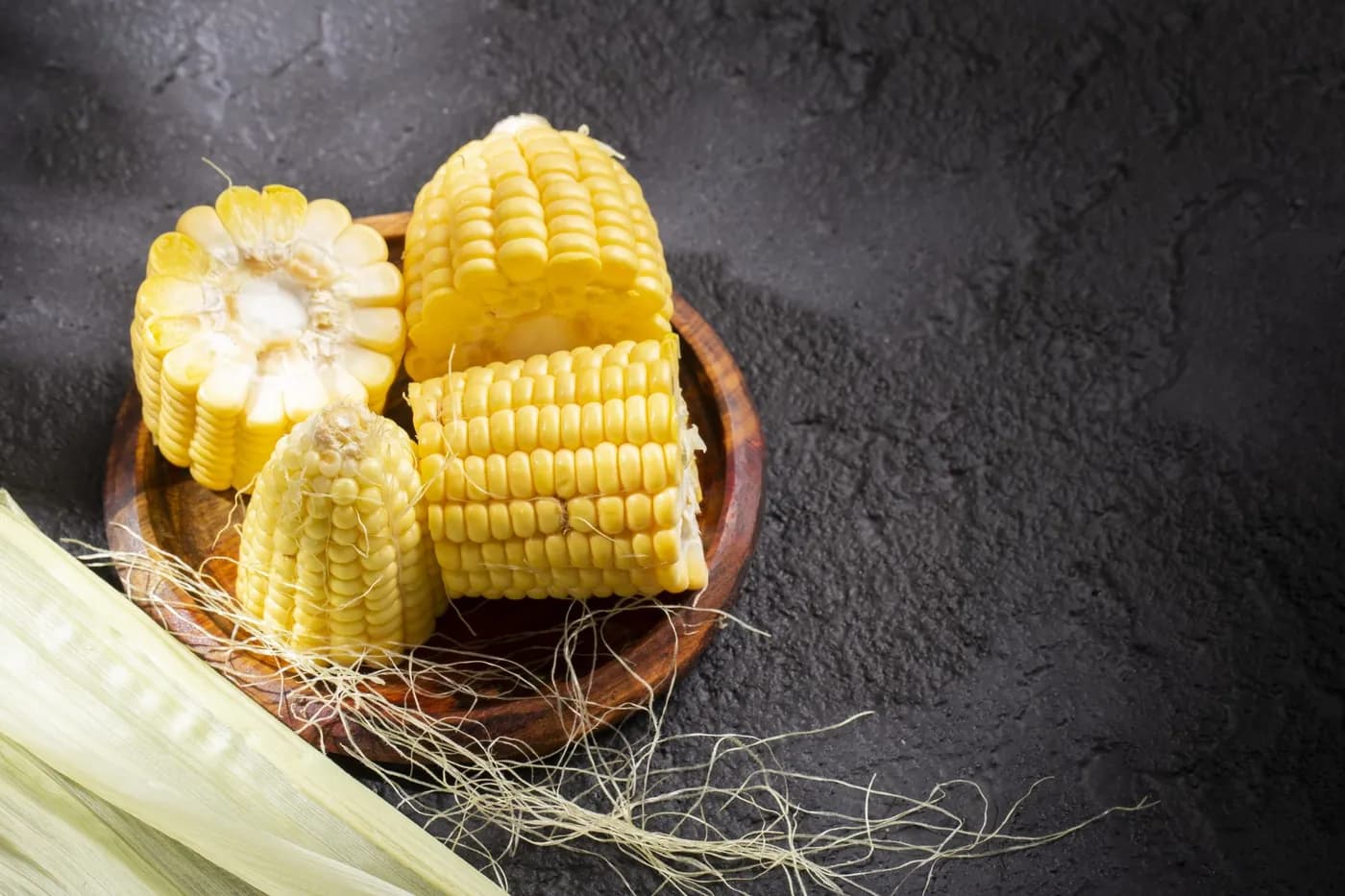
Sweet corn is naturally sweet, colourful and easy to add to Indian meals. It provides carbohydrates, fibre, some protein and several vitamins and minerals. It can be enjoyed boiled, steamed, roasted or mixed into soups, salads and sabzis.
Although sweet corn benefits a balanced diet, it is a starchy vegetable. It contains more carbohydrates than vegetables such as cucumber, spinach or cauliflower. Portion size and preparation therefore matter, especially for people managing blood sugar.
Sweet corn nutrition
Fresh kernels contain water along with carbohydrate, fibre, natural sugars and a small amount of fat. They also provide some protein, although corn should not be treated as the main protein source in a vegetarian meal.
Its micronutrients include:
- Folate
- Thiamine and other B vitamins
- Vitamin C
- Potassium
- Magnesium
- Phosphorus
- Carotenoids
The exact nutritional values vary with the variety, maturity, portion and cooking method. Added butter, cheese, cream, salt or sugary sauces can change the final nutritional profile considerably.
Possible sweet corn benefits
Provides energy
The carbohydrates in corn provide energy for daily activities. This can make it a useful addition to lunch, an evening snack or a meal eaten around physical activity.
Carbohydrates are not automatically unhealthy or fattening. The complete meal, portion size and overall eating pattern are more important than avoiding a single carbohydrate-containing food.
Combine corn with vegetables and a protein source to make the meal more balanced. Suitable vegetarian options include dal, beans, tofu, paneer, curd or sprouts.
Supports digestion
Corn contains dietary fibre, which adds bulk to stools and supports regular bowel movements. Fibre also helps meals feel more satisfying.
However, eating a large quantity suddenly may cause gas or bloating, particularly if your usual diet is low in fibre. Increase the portion gradually and drink enough water.
You may occasionally notice pieces of corn in the stool. The outer layer contains cellulose, which the human digestive system does not completely break down. This does not mean that the entire kernel or all its nutrients have passed through undigested.
Contains antioxidants
Yellow corn contains lutein and zeaxanthin. These carotenoids are found in the retina and are studied for their role in eye health.
This does not mean eating corn can cure poor eyesight or prevent every eye condition. Eye health also depends on age, genetics, medical conditions and the overall diet.
Corn also provides other plant compounds, but antioxidant content should not be used to market it as a treatment or “superfood.”
Adds variety to vegetarian meals
Sweet corn has a mild flavour and works with many vegetables, grains and protein-rich foods. This makes it useful for adding colour, texture and variety to vegetarian meals.
It can be included in vegetable poha, upma, soup, pulao, chaat, wraps or mixed sabzi. Variety helps make a nutritious eating pattern easier to enjoy and maintain.
May support meal satisfaction
The combination of starch and fibre can make corn more satisfying than a drink or highly refined snack. However, a bowl containing only corn may not keep everyone full for long.
Adding protein and other vegetables usually creates a more complete meal. For example, combine corn with chickpeas in a salad or add tofu and vegetables to a corn stir-fry.
Is sweet corn good for weight management?
Corn can fit a weight-management diet, but it does not burn fat or directly cause weight loss. Its effect depends on the portion, preparation and the foods eaten with it.
Boiled corn with lemon and spices provides a different meal experience from corn covered with butter, mayonnaise and cheese. Fried corn or creamy corn dishes may also supply considerably more energy.
Instead of removing corn completely, use it as one part of the meal:
- Add a moderate serving to a large vegetable salad.
- Combine it with beans or tofu.
- Use herbs, lemon and spices for flavour.
- Measure butter, oil and creamy dressings.
- Avoid treating an oversized bowl as an unlimited “healthy” snack.
Sustainable weight management depends on the complete routine, including food intake, movement, sleep and health conditions.
Sweet corn and diabetes
People with diabetes do not necessarily need to avoid corn. However, it is classified as a starchy vegetable and contributes carbohydrate to a meal.
A practical approach is to place corn in the carbohydrate section of the plate rather than counting it as a free, non-starchy vegetable. Combine it with non-starchy vegetables and a protein-rich food.
For example, a meal could include a moderate portion of corn, a bowl of mixed vegetables and tofu, paneer, dal or curd.
Blood glucose responses differ between people. Cooking method, portion, other ingredients, medicines and activity all matter. Anyone using insulin or following a prescribed carbohydrate plan should use the portion recommended by their healthcare professional.
Fresh, frozen or canned corn?
Fresh corn should have plump kernels and a firm cob. The husk should look fresh rather than completely dry or discoloured.
Frozen plain kernels are convenient and can retain useful nutrients. Check that the pack contains corn without heavy sauces or unnecessary additives.
Canned corn can also be used, but sodium may be higher. Choose a lower-sodium variety when available, drain the liquid and rinse the kernels before adding them to a dish.
Creamed corn is different from plain kernels. It may contain added salt, sugar, starch, milk ingredients or flavouring, depending on the product.
Healthy ways to eat sweet corn
Simple preparation usually works best:
- Boil or steam a cob and season it with lemon and spices.
- Roast corn without burning the kernels.
- Add it to vegetable soup.
- Mix it with chickpeas, cucumber, tomato and coriander.
- Add a small portion to pulao or vegetable upma.
- Combine it with beans in a wrap.
- Add it to a tofu or paneer stir-fry.
- Prepare corn chaat without excessive sev, butter or sugary sauces.
Corn should not replace every vegetable on the plate. Continue eating leafy greens, gourds, carrots, beans, cauliflower and other seasonal vegetables.
Possible concerns
Digestive discomfort
A large serving can cause gas, bloating or abdominal discomfort in some people. Eat slowly, chew properly and begin with a smaller portion if you are not accustomed to fibre-rich foods.
Corn allergy
Corn allergy is uncommon but possible. Symptoms may include itching, hives, swelling, vomiting or breathing difficulty. Seek urgent medical help for facial or throat swelling, faintness or trouble breathing.
Added salt and fat
Street-style or packaged corn may contain considerable butter, cheese, salt or seasoning powder. These additions do not make corn forbidden, but frequent large servings can change the nutritional value.
Gluten and cross-contact
Corn is naturally gluten-free. However, corn flour, breakfast cereals and packaged snacks may be processed alongside wheat. People with coeliac disease should choose products clearly labelled gluten-free.
What sweet corn cannot do
Sweet corn cannot detoxify the body, cure constipation, prevent eye disease or guarantee weight loss. It also cannot replace prescribed treatment for diabetes, high cholesterol or another condition.
Its realistic value is much simpler: it provides energy, fibre, colour, texture and useful nutrients as part of a varied diet.
Frequently Asked Questions
Related Articles

Healthy fats: why your body needs fat
Healthy fats help your body absorb vitamins and support brain, hormones, joints, cells and daily meals. Learn simple vegetarian sources and habits.

Good fats vs bad fats: choose fats wisely
Understand good fats vs bad fats in simple words. Learn which vegetarian fats to choose, what to reduce and how to read food labels better.
