
Toned Milk: Meaning, Nutrition and Who It Suits
What toned, double toned, full-cream and skimmed milk mean on Indian milk packets, and how to pick the right one for children, adults and tea.
Key Takeaways
- Toned milk is standardised to less fat than full-cream milk, but it is not fat-free.
- Fat falls from full-cream to toned, double toned and skimmed; protein and calcium stay.
- FSSAI sets minimum fat and SNF levels for each type; check the pack nutrition panel.
- Every type contains lactose; milk for young children needs paediatric advice.
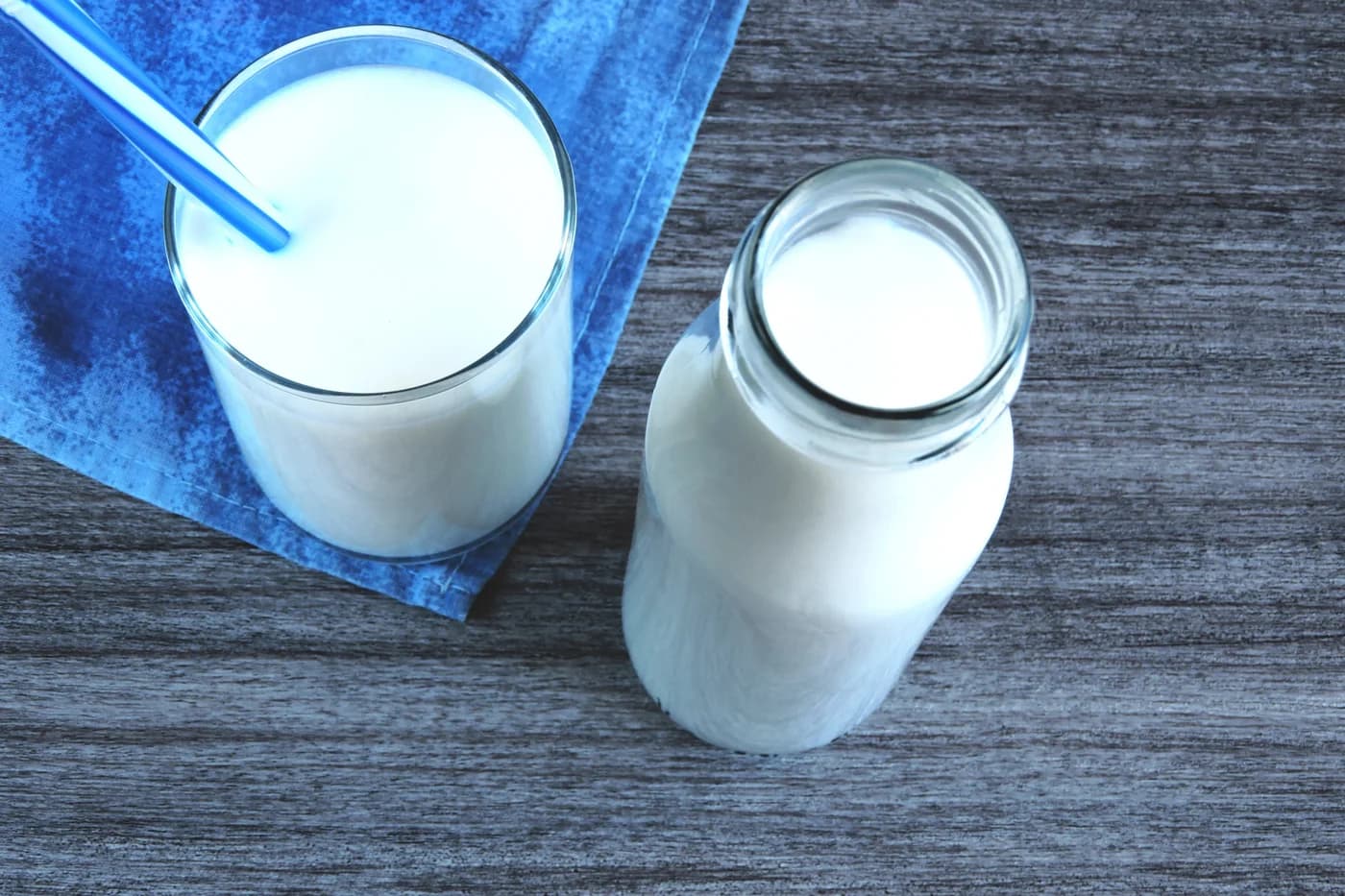
Toned milk is dairy milk whose fat level has been standardised, traditionally by combining full-fat milk with skimmed milk or milk solids. In India the term appears on regulated labels and indicates less fat than full-cream milk while keeping protein, calcium and lactose. Packets also say full cream, standardised, double toned or skimmed, and knowing what each means makes it easier to choose the right milk for your household.
What does "toned" mean?
Toning adjusts the fat and solids-not-fat (SNF) content of milk to a defined standard. SNF is everything in milk other than fat and water, mainly protein, lactose and minerals. Toned milk is not milk diluted with water at home. In India, the Food Safety and Standards Authority of India (FSSAI) sets minimum fat and SNF levels for each class of milk, so the name on the packet tells you the composition range, while the nutrition panel gives the exact values.
Full cream, toned, double toned and skimmed: how they compare
- Full-cream milk: the highest fat, richest taste and most energy per glass.
- Standardised milk: fat adjusted to a fixed level that sits between full-cream and toned milk.
- Toned milk: noticeably less fat than full-cream milk, but not fat-free.
- Double toned milk: less fat again than toned milk, with a thinner taste.
- Skimmed milk: most of the fat removed, so it is the lowest in energy.
The naming system describes composition, not overall quality. A lower-fat option may suit one person, while another may value the extra energy and richer taste of full-cream milk.
What nutrition stays in the glass?
All these milks supply complete protein, calcium, phosphorus, riboflavin and vitamin B12. Removing fat lowers energy and reduces fat-soluble vitamins such as A and D, which is why toned, double toned and skimmed milk may be fortified with vitamins A and D. Check the label or look for the FSSAI +F fortification logo. Lower fat does not remove lactose, the natural milk sugar.
How to choose the right milk
For young children
Young children have particular energy and fat needs, so follow paediatric advice instead of automatically choosing the lowest-fat milk. Older children may use toned milk within a varied diet, depending on growth and appetite. Milk should not crowd out iron-rich meals.
For weight or cholesterol goals
Switching from full-cream to toned or double toned milk can reduce energy and saturated fat. It does not cause weight loss by itself, and sweetened tea, flavoured powders or large glasses can cancel the difference. Total meals and repeatable portions matter more than the word on the pack.
For higher energy needs
Older adults with small appetites, underweight people and very active people may benefit from full-cream or standardised milk, because the extra fat adds energy without adding volume.
For tea, curd and cooking
Plain toned milk works well for tea, oats, curd and everyday cooking. Curd and paneer made from it are lighter in texture than those made from full-cream milk. Compare fat, protein, added sugar, fortification and price, and avoid choosing by packet colour alone.
Try the same breakfast with two milks
Use toned milk in oats or tea for a week and compare fullness, taste and what you add to it with the milk you normally buy. If lower fat makes you add more sugar or snack sooner, the theoretical calorie saving may not help. If it tastes good and keeps you satisfied, the switch may be worthwhile.
What if milk causes bloating?
Toned milk still contains lactose. Lactose intolerance can cause gas, cramps or loose stools, while a milk-protein allergy may cause hives, swelling, vomiting or breathing problems. These are different conditions. Lactose-free milk may help intolerance but is unsafe for a true milk allergy, which needs medical advice.
Storage and safety
Follow the pack's refrigeration and boiling instructions. Pasteurised milk needs a cold chain, while UHT milk can stay sealed at room temperature but must be refrigerated once opened. Discard milk with a sour smell, curdling or a swollen pack rather than tasting it.
Editorial sources
Frequently Asked Questions
Related Articles

Milk Nutrition: Protein, Calcium, Lactose and Choosing a Type
Milk provides protein, calcium, vitamin B12 and other nutrients, and fortified products may also add vitamin D. Learn how to choose a type.

Curd Benefits: Why This Everyday Staple Matters
Curd (dahi) is one of the most consistently eaten foods in Indian households — a solid daily source of protein, calcium, and live probiotic cultures in.
Calcium Rich Foods: A Complete Dairy and Non-Dairy List
Milk and dairy lead the calcium list, but sesame seeds, ragi, leafy greens, and tofu are all high sources too. See the complete dairy and non-dairy list.