
Vegan Dark Chocolate: Is It Really Dairy-Free? What to Check
Most dark chocolate above 70% cocoa is naturally free of milk, but not every bar qualifies — some brands still add milk fat or whey even to ‘dark’.

Key Takeaways
- Most dark chocolate above 70% cocoa is naturally dairy-free, but not guaranteed.
- Watch for ‘milk fat,’ ‘milk solids,’ ‘butter oil,’ or ‘whey’ on the ingredient list.
- ‘May contain milk’ warnings relate to cross-contamination, not intentional dairy content.
- Cocoa percentage alone doesn’t confirm vegan status – some 70%+ bars still list milk.
- Still calorie-dense – not a health food to eat freely despite its antioxidants.
Vegan dark chocolate is more common than most people realize, since dark chocolate is fundamentally made from cocoa solids, cocoa butter, and sugar — none of which require dairy. Most dark chocolate above roughly 70% cocoa is naturally free of milk, but not every bar on the shelf qualifies, and some brands still add milk fat, butter oil, or whey even to their “dark” varieties. This guide explains what to look for on the label, the actual nutritional benefits of dark chocolate in moderation, and a couple of easy vegan dark chocolate snacks you can make at home. Once you know these basics, spotting genuine vegan dark chocolate on a crowded shelf only takes a few seconds.
Vegan Dark Chocolate at a Glance
- Dark chocolate above ~70% cocoa is usually dairy-free, but always check the ingredient list
- Look out for “milk fat,” “milk solids,” “butter oil,” or “whey” — these make a bar non-vegan
- “May contain milk” or “processed in a facility with milk” warnings relate to cross-contamination, not intentional dairy content, and matter mainly for allergy concerns rather than strict veganism
- Dark chocolate offers antioxidants and minerals, but it’s still calorie-dense and shouldn’t be treated as a health food to eat freely
- Cocoa percentage doesn’t automatically confirm vegan status — some 70%+ bars still list milk ingredients
Is Dark Chocolate Vegan? What the Label Actually Tells You
The short answer is that most dark chocolate is vegan, but not all of it. Cocoa beans, cocoa butter, and sugar are the core ingredients of dark chocolate, and none of these come from animals. However, manufacturers sometimes add small amounts of milk fat or milk powder to soften the texture or round out the flavor, even in bars marketed as “dark.” This is more common in mass-market dark chocolate than in bars specifically labeled “70% cocoa” or higher from brands that specialize in dark chocolate. In practice, most bars from brands that focus on high-cocoa chocolate turn out to be genuine vegan dark chocolate without any extra digging.
To check whether a specific bar of dark chocolate is vegan, read the ingredient list rather than relying on the front-of-pack cocoa percentage. Watch for:
- Milk fat, milk solids, or milk powder — a clear sign the bar isn’t vegan
- Butter oil or anhydrous milk fat — another dairy-derived ingredient sometimes used in chocolate
- Whey or whey powder — occasionally added as a filler in cheaper chocolate
- “Suitable for vegans” or a vegan certification mark — the most reliable confirmation if you don’t want to cross-check every ingredient yourself
Some dark chocolate is also processed on shared equipment with milk chocolate, which triggers a “may contain milk” warning. This is a food-safety note for people with dairy allergies, not necessarily an indication that milk was deliberately added — though very allergy-sensitive readers may still want to avoid these bars. If a bar clears both checks, you can feel confident you’re holding real vegan dark chocolate.
This kind of label vigilance shows up across plant-based eating generally, not just chocolate — Vegan Diet Basics is worth a look if this is part of a bigger shift to a fully plant-based diet. And if chocolate tends to be a stand-in for a stress or afternoon craving rather than an occasional treat, How to Reduce Sugar Cravings covers why those urges hit and what actually helps.
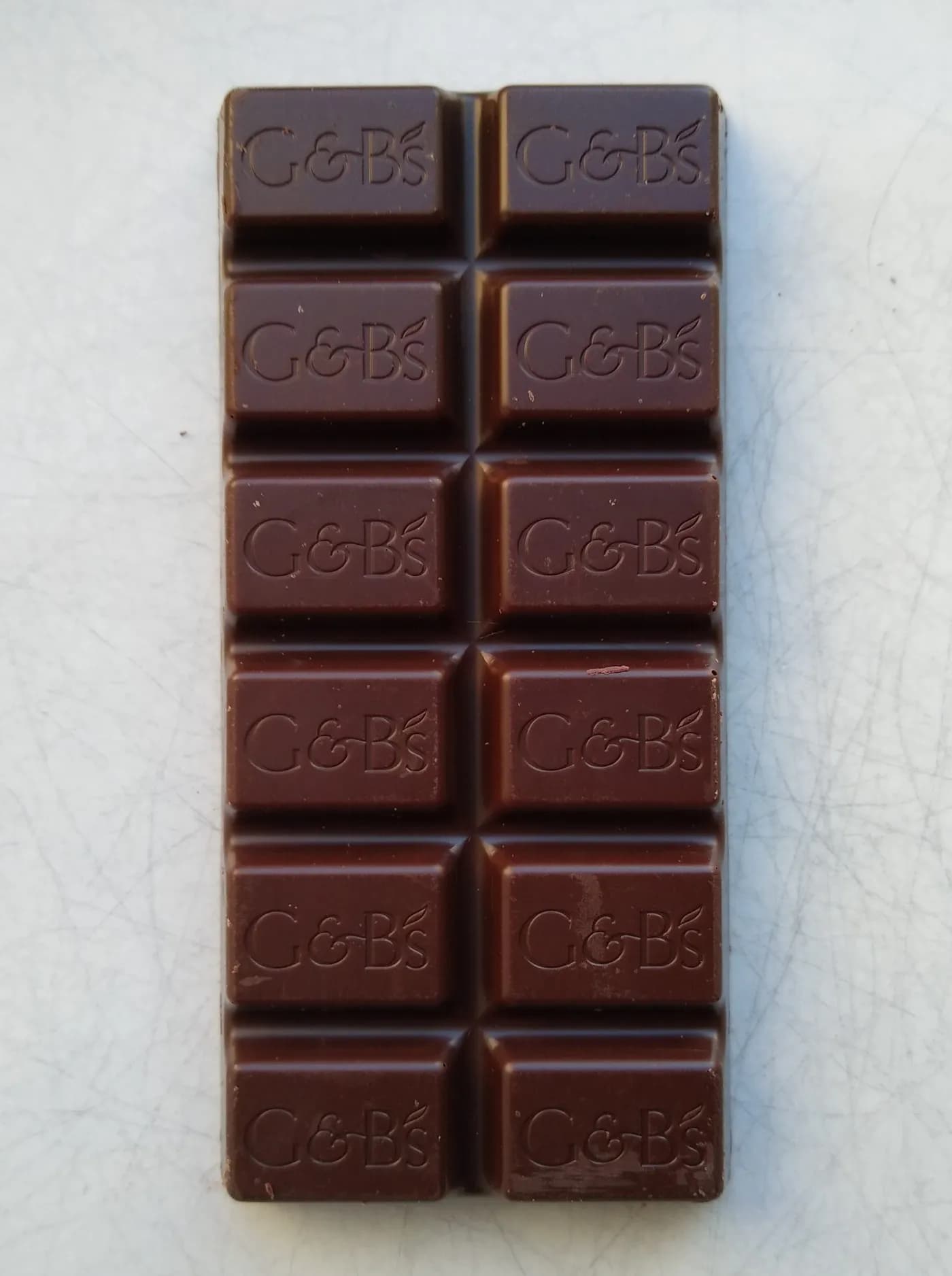
Photo: Simon A. Eugster, CC BY-SA 3.0, via Wikimedia Commons
Nutritional Benefits of Dark Chocolate, in Moderation
Dark chocolate, particularly varieties with 70% cocoa or higher, contains flavanols, iron, magnesium, and copper, along with a modest amount of fiber compared to milk chocolate. Some research links moderate dark chocolate consumption to improved blood flow and antioxidant intake, largely due to its flavanol content. That said, it’s worth being honest about the bigger picture: dark chocolate is still a calorie-dense food, generally around 150-170 calories for a 30g serving, with a meaningful amount of saturated fat from cocoa butter and added sugar in most commercial bars. It shouldn’t be reframed as a health food you can eat without limits — the benefits show up at moderate intake, typically a small square or two a few times a week, not by working it into every meal. Pairing a small amount of dark chocolate with nuts, fruit, or plain yogurt-style bases (see the recipes below) is a more balanced way to enjoy it than eating a whole bar in one sitting. This applies just as much to vegan dark chocolate as to any other dark chocolate, since the flavanols come from the cocoa itself rather than from any dairy that might be added.
Simple Vegan Dark Chocolate Snack Ideas
Both of the recipes below are built around a single good bar of vegan dark chocolate, so once you’ve confirmed your bar is dairy-free, the rest comes together in minutes.
Dark Chocolate and Nut Clusters
Ingredients: – 100g vegan dark chocolate (70%+ cocoa, confirmed dairy-free), chopped – 1/2 cup mixed nuts (almonds, walnuts, or pistachios), roughly chopped – 2 tbsp pumpkin or sunflower seeds – A small pinch of sea salt
Method: 1. Melt the chocolate gently in a heatproof bowl set over a pot of simmering water, stirring until smooth. 2. Stir in the nuts and seeds until evenly coated. 3. Drop small spoonfuls onto a parchment-lined tray, flattening slightly. 4. Sprinkle with a pinch of sea salt and refrigerate for 20-30 minutes until set. 5. Store in an airtight container in the fridge for up to a week, and enjoy one or two clusters at a time.
Dark Chocolate-Dipped Fruit
Ingredients: – 80g vegan dark chocolate, chopped – 1 cup strawberries, banana slices, or orange segments – 1 tsp coconut oil (optional, for a glossier finish)
Method: 1. Melt the chocolate with the coconut oil, if using, over a double boiler until smooth. 2. Pat the fruit completely dry so the chocolate sets properly. 3. Dip each piece halfway into the melted chocolate and place on a parchment-lined tray. 4. Refrigerate for 15-20 minutes until the chocolate hardens. 5. Serve fresh, ideally within a day, since the fruit will release moisture over time.
Both of these vegan dark chocolate snacks work well as an occasional treat that pairs chocolate with fiber, protein, or healthy fats from nuts and fruit, rather than eating chocolate on its own.
Frequently Asked Questions
Related Articles

Dark Circles Kaise Kam Kare – Aankhon Ki Exercise aur Yoga
Dark circles kaise kam kare? Jaaniye aankhon ke neeche dark circles ke liye best face exercises aur yoga poses. Shuru karein ₹1 mein – Habuild ke saath.


Healthy fats: why your body needs fat
Healthy fats help your body absorb vitamins and support brain, hormones, joints, cells and daily meals. Learn simple vegetarian sources and habits.
