
Vegetarian Muscle Building Diet: A Full, Practical Approach
A well-planned vegetarian diet can build strength just as effectively as any other approach, when protein, calories, and training are structured right..
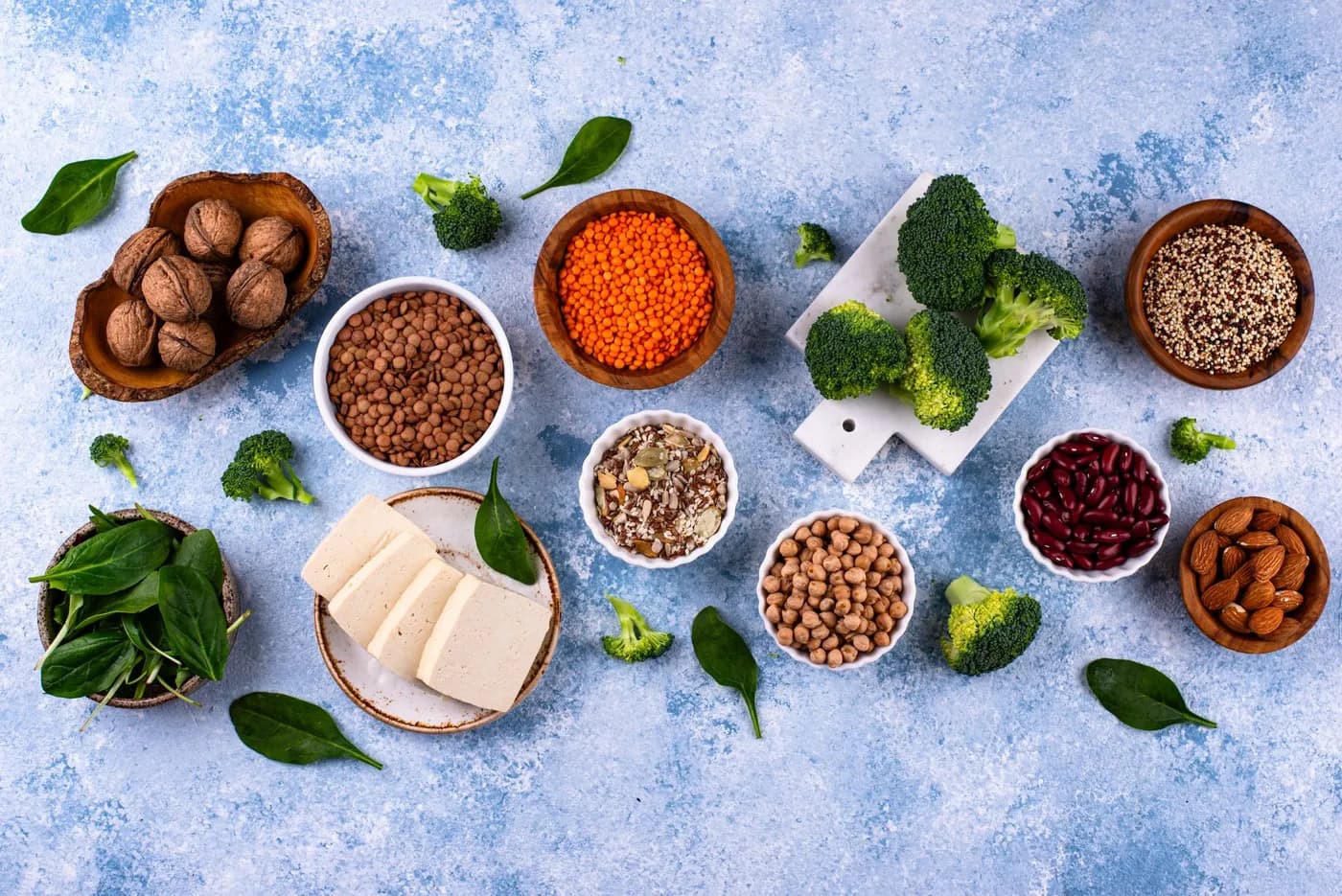
Key Takeaways
- Leucine, the amino acid that most triggers muscle repair, is more concentrated in dairy and soy.
- Combining grains with legumes, like rice with dal, creates a more complete amino acid profile.
- Spacing protein across 4-5 smaller meals eases the bulkier volume of vegetarian protein foods.
- Aim for 1.2-1.6g protein per kg body weight, paired with a modest calorie surplus.
- Plant meals can feel filling before you’ve eaten enough calories – track loosely to calibrate.
A well-planned vegetarian muscle building diet can build strength just as effectively as any other approach, when protein, calories, and training are structured right. This guide walks through exactly how to do that, meal by meal.
What a Vegetarian Muscle Building Diet Looks Like
A day built around this doesn’t need to be complicated. Here’s a simple structure:
- Breakfast: Poha or oats with milk and a handful of nuts, or paneer bhurji with roti
- Mid-morning: A glass of milk, buttermilk, or a fruit with peanut butter
- Lunch: Dal or rajma/chana, roti or rice, a vegetable, and curd
- Pre-workout: Banana with a few soaked almonds
- Post-workout: Soy milk or a paneer/curd-based snack
- Dinner: Tofu or paneer sabzi with roti, and a side of sprouts or salad
This spread ensures protein shows up at every meal instead of being loaded into just one.
The Real Gaps Vegetarians Face — and How to Close Them
Building muscle as a vegetarian is very achievable, but there are a few common gaps worth knowing about:
- Leucine content: Leucine is the amino acid that most directly triggers muscle repair, and it’s more concentrated in dairy and soy than in most grains and legumes. Including paneer, curd, milk, or soy chunks daily helps close this gap.
- Complete proteins: Many plant proteins (like dal or rice alone) are missing one or more essential amino acids. Combining grains with legumes — rice with dal, or roti with chole — creates a more complete amino acid profile across the day.
- Protein density: Vegetarian foods are often bulkier for the same protein amount, which can mean larger meals. Spacing protein across 4–5 smaller meals instead of 2–3 large ones makes this easier to manage.
- Iron and B12: These aren’t muscle-building nutrients directly, but low levels can affect energy and recovery. Fortified foods, dairy, and a doctor-guided supplement if needed can help.
Closing these gaps is what separates a mediocre vegetarian muscle building diet from one that actually delivers results.
Photo: Divya Kudua, CC BY 2.0, via Wikimedia Commons
How Much to Eat and When
Aim for roughly 1.2–1.6 grams of protein per kilogram of body weight daily, drawn from a mix of dal, paneer, curd, soy, and nuts rather than one single source. Pair this with a modest calorie surplus — vegetarian muscle building diets sometimes fall short on total calories because plant-based meals can feel filling before you’ve eaten enough, so tracking loosely for a couple of weeks can help you calibrate portion sizes.
For the full general list of muscle-building foods and basic timing principles, see our guide on foods to build muscle mass — this article focuses specifically on structuring a vegetarian diet around those foods.
Common Mistakes in a Vegetarian Muscle Building Diet
A handful of habits quietly undermine an otherwise solid vegetarian muscle building diet:
- Relying only on dal and rice without adding dairy or soy for leucine
- Undereating calories because plant meals feel heavy despite being lower in calories than expected
- Skipping variety — rotating between different pulses, dairy, and soy prevents nutrient gaps and keeps meals enjoyable
- Expecting quick changes — vegetarian or not, muscle building is a gradual, consistent process, not a race
Beyond this framework, it’s worth cross-referencing our full list of foods to build muscle mass and high-protein vegetarian foods for more options to rotate into your week. And if your goal is adding size rather than just maintaining, pairing this with a proper diet for lean bulk and a diet for muscle recovery timed around your workouts can speed things up considerably.
Protein Timing and Absorption on a Vegetarian Muscle Building Diet
Getting the total protein number right matters, but so does how it’s spread across the day. Research on muscle protein synthesis suggests each meal needs roughly 2.5-3g of leucine to meaningfully trigger repair — for a vegetarian muscle building diet, that usually means a larger portion than you’d need from an equivalent animal source, since most plant proteins have a lower and more diluted leucine content.
- Spacing meals 3-4 hours apart, rather than 2 huge meals, gives your body more chances to hit that leucine threshold across the day.
- Plant proteins digest and absorb more slowly than dairy or soy isolates, so a vegetarian muscle building diet benefits from slightly larger portions per sitting to compensate — roughly 30-35g of protein per meal rather than 20-25g.
- Combining a fast-absorbing source (curd, soy milk) with a slower one (dal, rajma) in the same meal smooths out amino acid delivery over several hours instead of a single spike.
- Pre-sleep protein — a glass of milk or a small bowl of curd before bed — gives your body raw material to work with overnight, when a large share of muscle repair actually happens.
None of this replaces the basics of total protein and calories, but for anyone stuck at a plateau, timing is often the missing piece in an otherwise sound vegetarian muscle building diet.
Frequently Asked Questions
Related Articles

Diet for Strength Training: a Practical Eating Guide for Muscle and Recovery
Explore protein, carbohydrates, healthy fats and meal planning for strength training, muscle building and recovery.

Strength Training Workout for Runners: Build Power, Prevent Injury, Run Better
A structured resistance programme targeting the glutes, core, and hip stabilisers builds what running alone can't — done twice a week, it reduces injury risk and improves running economy. See the full workout.


Strength Training Leg Workout: Best Exercises, Benefits & How to Start
Training legs two to three times a week builds functional power, supports fat metabolism, and improves everyday movement, using the largest muscle groups in the body. See the best exercises.