
Strength Training Leg Workout: Best Exercises, Benefits & How to Start
Training legs two to three times a week builds functional power, supports fat metabolism, and improves everyday movement, using the largest muscle groups in the body. See the best exercises.
Key Takeaways
- Training legs 2-3 times a week builds functional power and supports fat metabolism.
- Leg muscles are large, so training them burns significantly more calories than smaller groups.
- Heavy compound lower body moves like squats trigger a meaningful growth hormone response.
- Balanced leg training addresses left-right and quad-hamstring imbalances that risk injury.
- Building strength around the knee joint provides better support during daily activities.
A strength training leg workout targets the largest muscle groups in the body — quads, hamstrings, glutes, and calves — using compound and isolation movements performed for sets and reps. Training legs two to three times per week builds functional power, supports fat metabolism, and improves everyday movement for all fitness levels.
Your legs are the foundation of everything you do — from climbing stairs to carrying groceries. Yet leg day is the session most people skip. This guide covers the real benefits, the best exercises, and a clear path to getting started — no gym required.
10 Benefits of Strength Training Leg Workouts
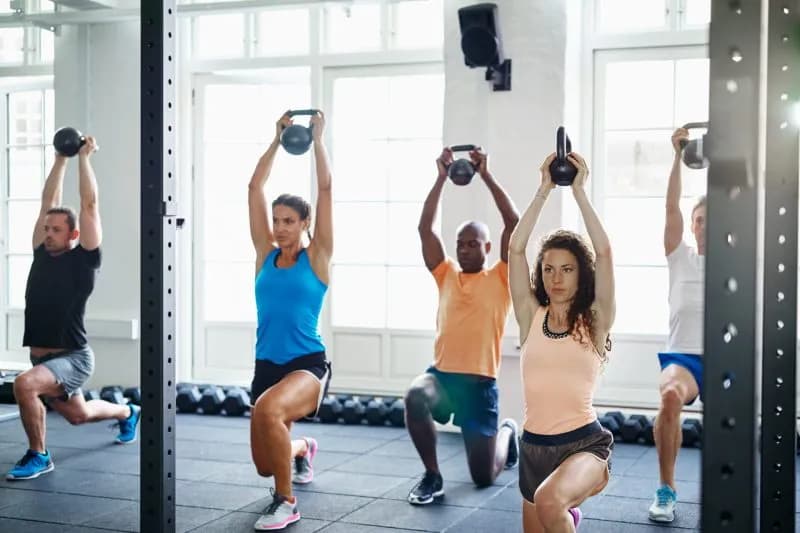
- Builds Lean Muscle in the Lower Body Compound leg exercises like squats and lunges recruit multiple large muscle groups at once, creating a strong stimulus for muscle growth. Regular training gradually develops lean, functional muscle in the thighs, glutes, and calves.
- Boosts Metabolism Because leg muscles are so large, training them burns significantly more calories compared to smaller muscle groups. Over time, increased muscle mass in the legs may help support a higher resting metabolic rate.
- Improves Bone Density Weight-bearing lower body exercises apply mechanical stress to bones, which stimulates bone remodeling and may gradually support stronger bone density — especially relevant as you age.
- Enhances Functional Strength Leg strength directly translates to daily life: climbing stairs, lifting objects, getting up from a chair, or walking long distances all become noticeably easier when you build a strong lower body foundation.
- Supports Fat Loss Leg workouts burn a high number of calories during the session and create an afterburn effect. Combined with consistent practice, they support gradual body composition improvements over time. Exploring strength training for fat loss principles can help you structure this more effectively.
- Improves Posture and Balance Strengthening the glutes, hamstrings, and core-connected hip muscles helps stabilize the pelvis and spine, which often leads to better posture and reduced lower back discomfort with regular practice.
- Protects the Knees Building strength around the knee joint — particularly in the quads and hamstrings — provides better support and stability, which may gradually ease strain during everyday activities.
- Elevates Hormonal Response Heavy compound lower body movements like squats trigger a significant hormonal response, including growth hormone release, which supports overall muscle-building progress across the body.
- Reduces Injury Risk Balanced leg training addresses muscle imbalances between the left and right sides, and between quads and hamstrings — common contributors to sports and movement injuries.
- Builds Mental Resilience Leg workouts are demanding. Completing them consistently builds a habit of doing the hard thing — and that mental toughness carries over into every other area of your fitness and daily life.
How to Get Started with Strength Training Leg Workouts
What You Need to Begin
You do not need a gym. Most foundational leg exercises — squats, lunges, glute bridges, and step-ups — require nothing more than your own bodyweight and a small floor space. As you progress, add resistance using dumbbells, resistance bands, or a loaded backpack. Start with what you have, not what you think you need.
Setting Realistic Goals
Avoid the trap of doing too much too soon. Two to three leg-focused sessions per week is a solid starting point. Give your muscles 48 hours of recovery between sessions and track small wins — an extra rep, better form, a slightly heavier load — rather than chasing dramatic results in week one.
A moderate workout done three times a week for three months will always outperform an intense routine abandoned after two weeks. For a practical starting framework, see how to do strength training at home.
Start with the Basics
Master the bodyweight squat before adding load. Learn the hinge movement through glute bridges before attempting deadlifts. Build the mind-muscle connection first — you will get far more out of each rep when you can feel the right muscles working.
Best Exercises for a Strength Training Leg Workout
These seven exercises form the backbone of any effective lower body strength program. They cover all major leg muscle groups and are suitable for home or gym training.
Squats
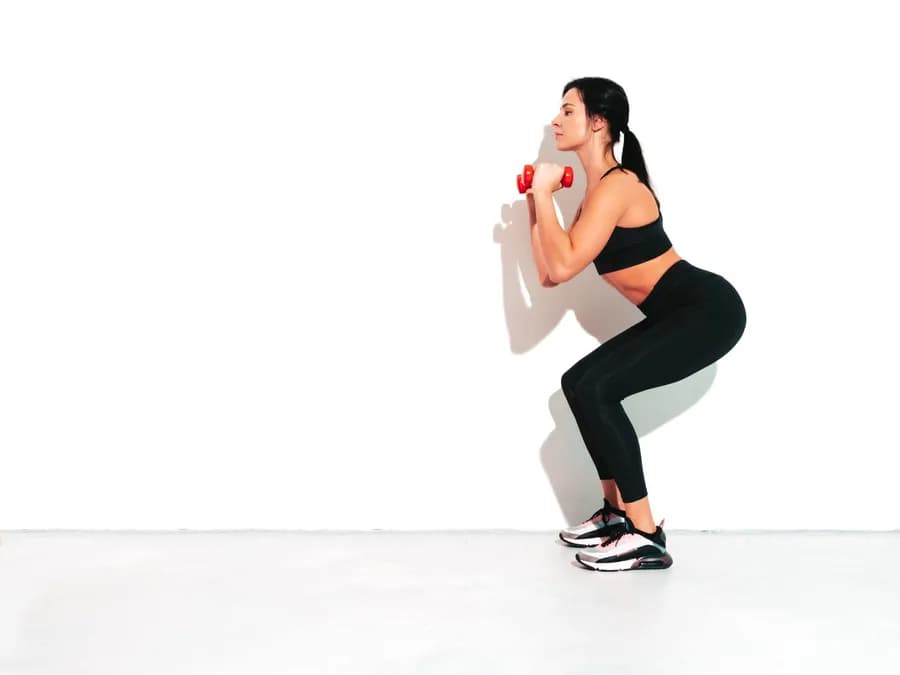
Stand with feet shoulder-width apart, push the hips back and down, keeping the chest tall and knees tracking over the toes. Drive through the heels to stand. Begin with 3 sets of 12–15 bodyweight reps, then progress to goblet squats or barbell back squats. Squats target the quads, glutes, and hamstrings simultaneously.
Lunges
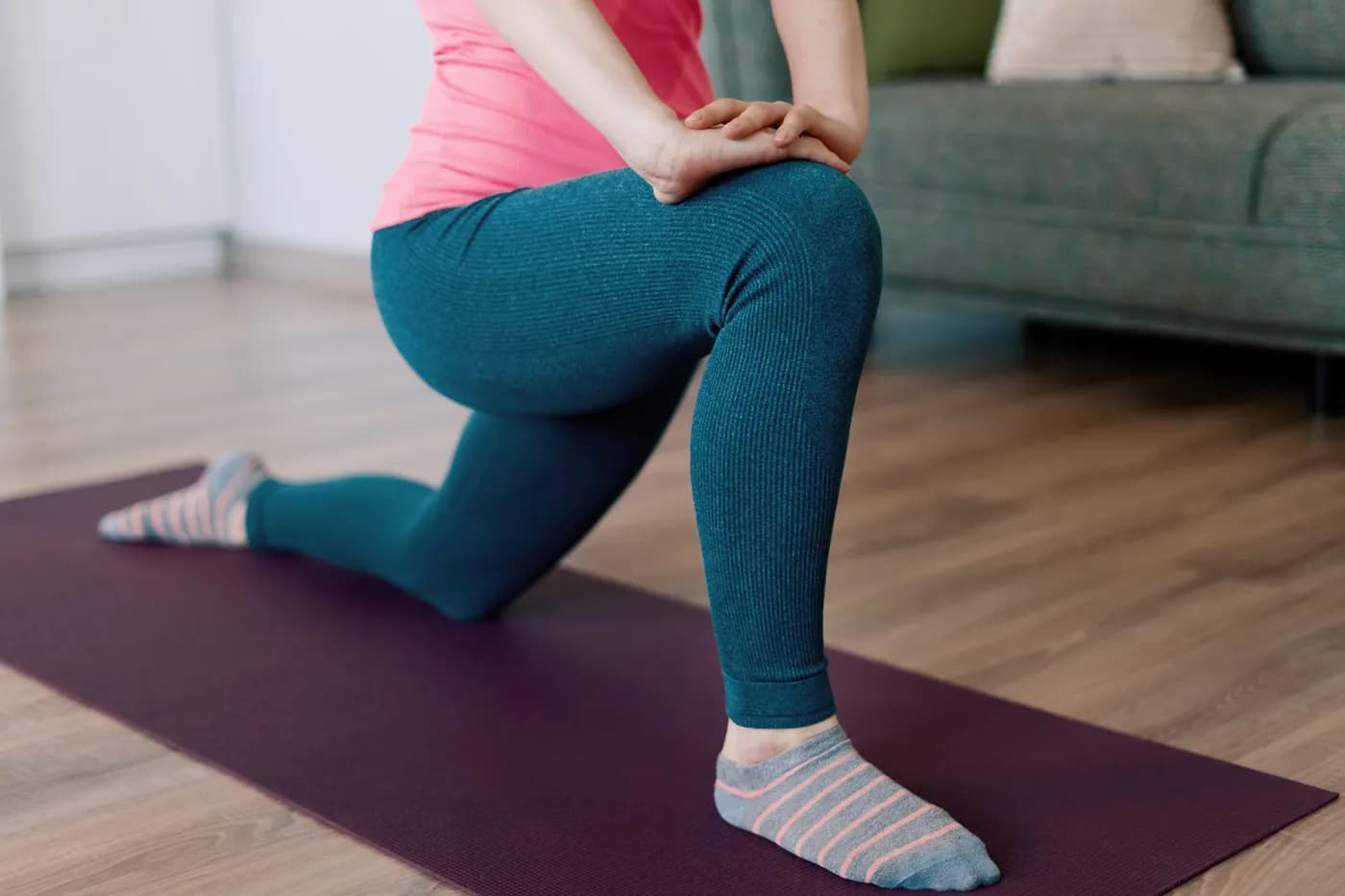
Step one foot forward, lower the back knee toward the floor, then push back to the starting position. Lunges correct left-right strength imbalances effectively. Try 3 sets of 10 reps per leg. For added challenge, the walking lunges technique guide covers progressive variations.
Glute Bridges
Lie on your back with knees bent, feet flat on the floor. Drive the hips up until the body forms a straight line from shoulders to knees, squeeze the glutes at the top, then lower slowly. Perform 3 sets of 15 reps. Progress to single-leg bridges or a barbell hip thrust over time.
Romanian Deadlift
Holding a dumbbell in each hand, hinge at the hips with a soft knee bend, lowering the weight along the front of the legs until you feel a deep stretch in the hamstrings, then drive the hips forward to stand. Start with light dumbbells: 3 sets of 10 reps with a slow, controlled lowering phase.
Step-Ups
Using a sturdy chair or bench, step one foot up, drive through that heel to lift the body, then step back down. Step-ups build unilateral leg strength and improve balance. Do 3 sets of 12 reps per leg. Add dumbbells once the bodyweight version feels easy.
Leg Press or Wall Sit
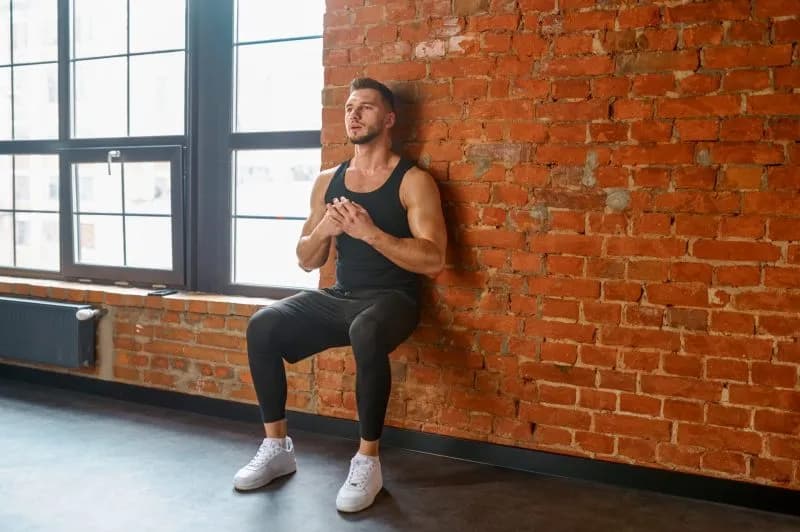
With gym access, the leg press allows heavy loading of the quads and glutes without the balance demands of a squat. At home, a wall sit (back flat against the wall, thighs parallel to the floor) holds the muscles under sustained tension. Hold 3 rounds of 30–45 seconds.
Calf Raises
Stand on the edge of a step or flat floor, rise onto the balls of both feet, hold for one second at the top, then lower slowly. Do 3 sets of 20 reps. For progressive calf training, strength training for calves covers targeted variations in detail.
Common Mistakes to Avoid
- Poor Form Sacrificing form for heavier weights is the most common and most damaging mistake in lower body training. Knees caving inward during squats, rounding the lower back on deadlifts, or a shallow range of motion all reduce effectiveness and increase injury risk. Record yourself or use a mirror to check mechanics before adding load.
- Skipping the Warm-Up Cold muscles and joints are far more prone to strains and pulls. Spend five to eight minutes on dynamic movements — leg swings, hip circles, bodyweight squats, and walking lunges — before loading any exercise. A proper warm-up also switches on the neural connection between your brain and your muscles.
- Overtraining Training legs every day without adequate recovery prevents muscle repair and leads to overuse injuries. Stick to two to three sessions per week with rest or light activity in between. Soreness persisting longer than 72 hours is a signal to ease off.
- Inconsistency Sporadic training — a heavy week followed by two weeks off — produces far less progress than moderate, consistent effort. The adaptations that build leg strength take weeks and months of repeated stimulus to develop. Show up regularly, even when motivation is low.
Who Should Try Strength Training Leg Workouts?
- Beginners Leg training is an ideal entry point into strength work because bodyweight squats and glute bridges require zero equipment, carry low injury risk when done correctly, and produce noticeable improvements in strength and mobility within the first few weeks.
- Women Women benefit enormously from leg training. It supports bone density, strengthens the glutes and hips, and creates a leaner physique. The concern about building bulky legs is a myth — women have significantly lower testosterone levels, making large muscle accumulation physiologically very difficult. For a complete resource, see strength training for women.
- Older Adults After age 40, muscle mass naturally declines at approximately one percent per year. Leg training is one of the most effective tools to slow this process, support joint health, and maintain everyday independence. If you have existing joint conditions or osteoporosis, consult your doctor before beginning and prioritize low-impact variations. This content is informational and not a substitute for medical advice.
- Working Professionals Extended desk hours shorten hip flexors, weaken glutes, and contribute to lower back discomfort. A structured leg workout two to three times a week counteracts these effects, improves posture, and provides an energy boost that persists throughout the workday. Most effective sessions take 30–40 minutes.
Build Leg Strength with a Routine That Actually Works
Building a strong lower body is not about random leg exercises now and then — it is about following a structured program with consistent guidance. Random workouts produce random results. A progressive plan, delivered by an expert who adjusts difficulty as you improve, is what creates lasting change.
What You Get with Habuild’s Strong Everyday Program:
- Daily live guided strength sessions including targeted leg workouts
- Beginner to advanced progression built into the schedule
- No-equipment and home-friendly lower body routines
- Expert guidance on form to protect your knees and joints
- Community support to keep you showing up every day
Start Your Strength Training Leg Workout Journey
Ready to begin? Explore strength training for beginners and take the first step toward the lower body strength you have been putting off.
Related reads: Strength Training Back Workout: Benefits, Exercises & Tips · Strength Training for Older Adults: Benefits, Exercises & How to Start
Training the legs two to three times a week is what actually builds functional power in the quads, hamstrings, glutes, and calves — an occasional leg day rarely gets you there. Structuring that frequency on your own, with the right mix of compound and isolation work, is often where people fall off. Habuild’s Strong Everyday program guides you through leg training that builds progressively instead of starting over each week.
Frequently Asked Questions
Related Articles
Strength Training at Home: Benefits, Exercises & How to Get Started
Using just your bodyweight and consistent practice, you can build lean muscle and improve body composition entirely from your living room. See the benefits, exercises, and how to start.
Jump Squats Benefits: Why This One Move Deserves a Place in Every Workout
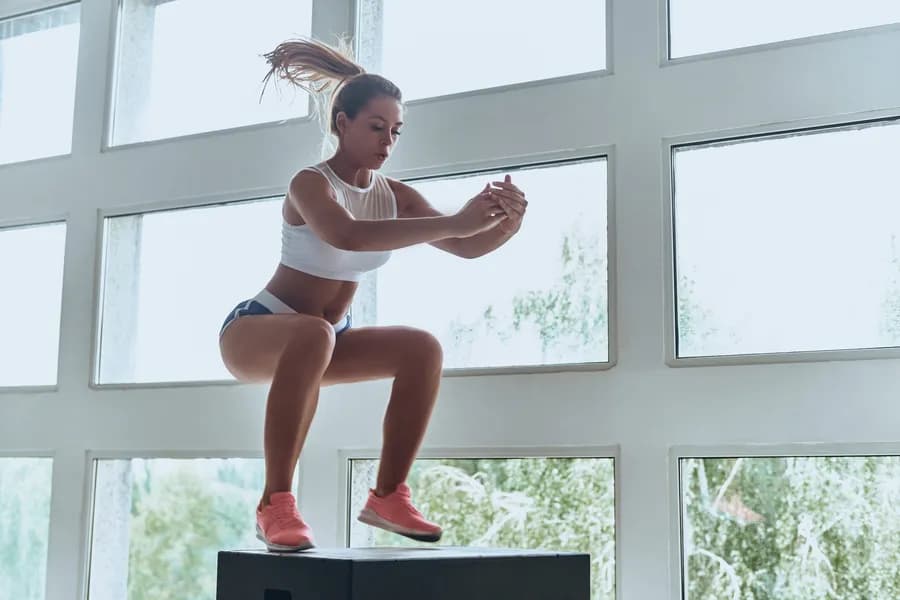
Jump squats combine a traditional squat with an explosive leap, training lower-body strength, cardio fitness, and coordination in one no-equipment move. See why it earns a spot in every workout.
Strength Training Workout for Runners: Build Power, Prevent Injury, Run Better
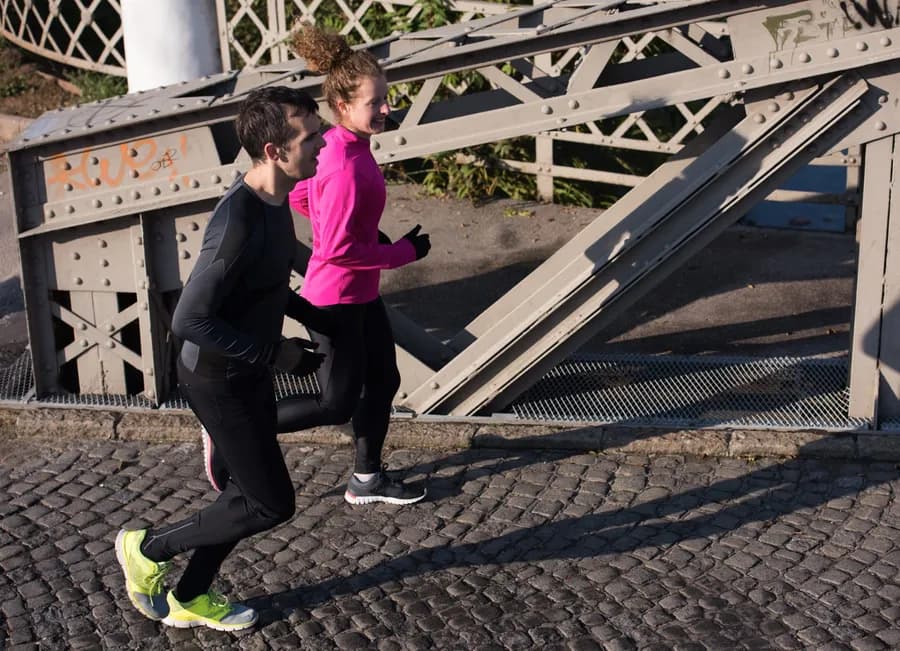
A structured resistance programme targeting the glutes, core, and hip stabilisers builds what running alone can't — done twice a week, it reduces injury risk and improves running economy. See the full workout.
Balance Exercises for Seniors: 10 Best Moves to Improve Stability
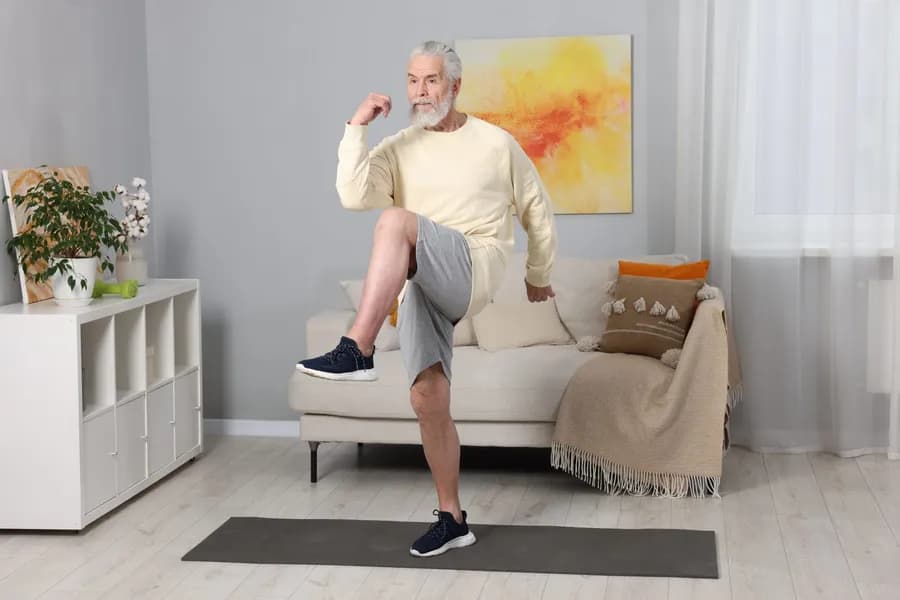
Single-leg stands, heel-to-toe walks, and weight shifts strengthen the stabilising muscles that keep older adults steady and less prone to falls. See 10 best moves to build into a routine.
Bodyweight Exercises for Beginners: The Complete Guide to Getting Started
Bodyweight exercises use only your own body mass as the load — no gym, no dumbbells, no machines. See the complete guide to building functional strength and endurance.
Why Is Strength Training Important for Your Health and Life
Strength training builds lean muscle, strengthens bones, boosts metabolism, and improves how your body functions every day. See why it's one of the most evidence-backed investments in long-term health.