
Vitamin A Beta Carotene Benefits: Vision, Immunity & Skin
Vitamin A supports clear vision in low light, a well-functioning immune system, and healthy skin — and it comes from two different sources your body.
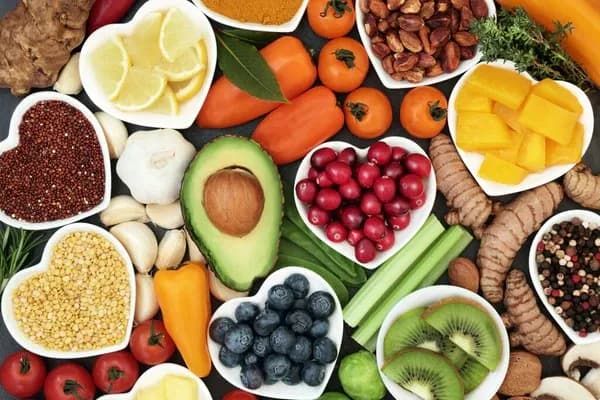
Key Takeaways
- Comes in two forms – plant-based beta-carotene and animal-based preformed retinol.
- Beta-carotene converts to vitamin A only as needed, so overdosing from food is nearly impossible.
- Preformed retinol is stored in the liver, so it does have an upper safety limit.
- Core to seeing in dim light – deficiency in either form can cause night blindness.
- RDA is roughly 900 mcg RAE for men and 700 mcg RAE for women daily.
Vitamin A beta carotene benefits centre on three things your body can’t do without: clear vision (especially in low light), a well-functioning immune system, and healthy skin and mucous membranes. Vitamin A comes in two forms — preformed vitamin A from animal foods and beta-carotene from plants — and your body handles each one differently.
Vitamin a beta carotene benefits at a glance
- Vision — vitamin A is a core part of rhodopsin, the pigment your eyes use to see in dim light; deficiency causes night blindness
- Immunity — supports the mucous membranes lining your gut, lungs and nose, which are your first defence against infection
- Skin health — helps maintain and repair skin cells and tissue
- Growth & reproduction — plays a role in cell growth, foetal development and reproductive health
- Antioxidant protection — beta-carotene itself acts as an antioxidant, mopping up free radicals
Preformed vitamin A vs. beta-carotene: what’s the actual difference
This is where a lot of confusion comes from, so it’s worth being precise. Understanding vitamin a beta carotene benefits properly starts with knowing that these two forms aren’t interchangeable, even though they end up doing similar jobs in the body.
- Provitamin A (beta-carotene) comes from plant sources — carrots, sweet potatoes, spinach, pumpkin, mangoes — the form your body needs to watch for on a vegetarian diet. Your body converts beta-carotene into active vitamin A only as needed, which makes it essentially impossible to overdose on through food. This conversion is one reason vitamin A beta carotene benefits are considered a safer route for most people, especially vegetarians and vegans.
- Preformed vitamin A (retinol) comes from animal sources. Your body absorbs it directly and can use it immediately, and because it’s stored in the liver, it’s also possible to get too much of it through supplements or liver-heavy diets, which is why the “retinol” form has an upper safety limit.
Both forms end up doing the same core jobs in the body once converted, but the source and safety profile differ meaningfully.
How much vitamin A do you actually need
The Recommended Dietary Allowance (RDA) for adults is roughly 900 mcg RAE (retinol activity equivalents) per day for men and 700 mcg RAE for women, slightly higher during pregnancy and lactation. Because beta-carotene converts inefficiently (roughly 12 mcg of beta-carotene equals 1 mcg of retinol), a diet built around colourful vegetables and fruit is a reliable, low-risk way to get the vitamin a beta carotene benefits your body needs and meet this target — for a full list of foods to build meals around, see our vitamin A food sources guide.
Vitamin A rarely works in isolation, either — vitamin C benefits and vitamin E benefits cover the other two antioxidant vitamins that share overlapping roles in skin and immune health, and are worth reading alongside this one.
Photo: frozenchipmunk, CC BY 2.0, via Openverse (Flickr)
Common mistakes and myths
- “More carrots always means more vitamin A benefit” — your body regulates beta-carotene conversion, so eating excess carrots mostly just tints your skin slightly orange (carotenemia), which is harmless but not doing anything extra for you.
- “Vitamin A supplements are always safe because it’s a vitamin” — preformed vitamin A supplements can build up to toxic levels over time, particularly in pregnancy, where high-dose retinol supplements are actively discouraged.
- Confusing vitamin A with vitamin C or E — all three support skin and immunity, but through different mechanisms; vitamin A is specifically tied to vision and cell turnover in a way the others aren’t.
Keeping these distinctions straight is what actually lets you capture the vitamin a beta carotene benefits described above, rather than falling for one of these common myths.
Who should be cautious about vitamin A intake
The vitamin a beta carotene benefits described so far apply safely to almost everyone through diet, but a few groups need to pay closer attention, mainly around supplements rather than food. Pregnant women should avoid high-dose preformed vitamin A (retinol) supplements, since excess retinol in early pregnancy is linked to birth defects — beta-carotene from vegetables carries no such risk, since the body regulates its own conversion. People with liver disease should be cautious with any vitamin A supplement, since the liver stores retinol and impaired function can allow it to build up. Smokers, particularly heavy smokers, are generally advised against high-dose beta-carotene supplements specifically, based on research linking them to increased lung cancer risk in this group — food-based beta-carotene from vegetables and fruit does not carry the same concern. For everyone else, getting the vitamin a beta carotene benefits from a varied, colourful diet remains the safest approach.
Vitamin A beta carotene benefits: myths vs facts
Myth: Carrots are the only meaningful source of vitamin A. Fact: Sweet potato, pumpkin, spinach, mango and papaya all deliver strong vitamin a beta carotene benefits, so relying on carrots alone means missing several easy everyday options.
Myth: Vitamin A supplements are risk-free since it’s “just a vitamin.” Fact: Preformed vitamin A supplements can accumulate to toxic levels over time, unlike the vitamin a beta carotene benefits gained from food, which the body regulates naturally and safely.
Myth: Cooking destroys the beta-carotene in vegetables. Fact: Cooking actually makes beta-carotene easier for the body to absorb from vegetables like carrots and spinach, especially with a small amount of fat, so lightly cooked vegetables can deliver the vitamin a beta carotene benefits even better than raw.
Frequently Asked Questions
Related Articles

Healthy fats: why your body needs fat
Healthy fats help your body absorb vitamins and support brain, hormones, joints, cells and daily meals. Learn simple vegetarian sources and habits.

Good fats vs bad fats: choose fats wisely
Understand good fats vs bad fats in simple words. Learn which vegetarian fats to choose, what to reduce and how to read food labels better.
