
Vitamin B1 Thiamine Benefits: Function, Deficiency, and Sources
Vitamin B1, or thiamine, converts the carbohydrates you eat into usable energy and keeps your nerves signalling correctly. See its function, deficiency.
Key Takeaways
- Thiamine converts carbohydrates into usable energy and keeps nerves signalling correctly.
- Prolonged deficiency causes beriberi, affecting either the heart or the nervous system.
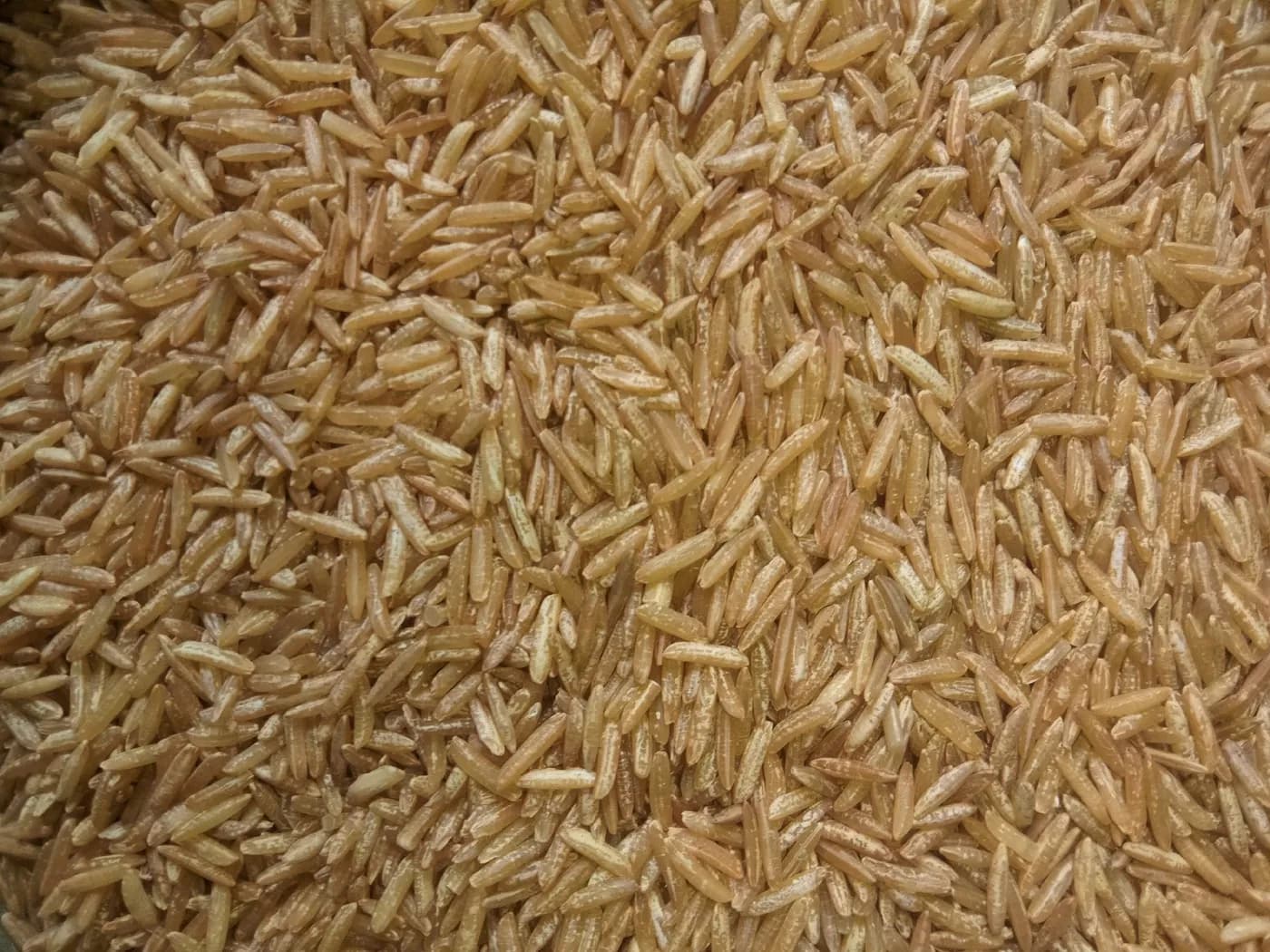
- Milling white rice strips away most of the thiamine-rich outer grain layer.
- Heavy alcohol use interferes with thiamine absorption and storage.
- Being water-soluble, thiamine isn’t stored well, so consistent daily intake matters.
Vitamin B1 thiamine benefits are centred on two things: converting the carbohydrates you eat into usable energy, and keeping your nerves signalling correctly. Thiamine was the first B vitamin discovered, which is why it’s simply called “B1,” and its role is distinct from the other seven B vitamins.
Vitamin B1 Thiamine Benefits, Explained
The core function of vitamin B1 is acting as a coenzyme in carbohydrate metabolism — without it, glucose can’t be efficiently converted into energy, and nerve cells in particular struggle, since they rely heavily on that steady energy supply. Quick-reference list of these benefits:
- Energy metabolism — helps convert carbohydrates into usable fuel for every cell
- Nerve function — supports the coating and signalling of nerve cells
- Heart and muscle function — needed for normal heart muscle contraction
- Brain function — supports concentration and memory by fuelling brain cells
What Happens When Thiamine Runs Low: Beriberi
Missing out on the vitamin B1 thiamine benefits described above for a prolonged period can lead to a significant deficiency, causing a disease called beriberi, which shows up in two distinct forms:
- Wet beriberi — affects the heart and circulatory system, causing swelling in the legs and shortness of breath
- Dry beriberi — affects the nervous system, causing tingling, numbness, muscle weakness, and difficulty walking
A related condition, Wernicke-Korsakoff syndrome, is a severe form of thiamine deficiency most often seen with chronic heavy alcohol use, which interferes with thiamine absorption. Historically, beriberi was common in populations relying almost entirely on polished white rice, since the milling process strips away the thiamine-rich outer layer of the grain.
Food Sources and Daily Requirement
Good sources of thiamine include whole grains (especially unpolished or brown rice), lentils, beans, nuts, seeds, and fortified cereals. A simple, often-overlooked tip: choosing whole wheat and brown rice over heavily refined versions preserves far more thiamine. Eating these foods regularly is really the simplest way to keep vitamin B1 thiamine benefits flowing to your cells day after day.
The recommended daily intake for adults is roughly 1.1 mg/day for women and 1.2 mg/day for men. Because thiamine is water-soluble, the body doesn’t store much of it, so consistent daily intake matters more than occasional large amounts. A common mistake is assuming a one-time deficiency can be “made up” later — regular intake through meals is what actually keeps levels steady.
Photo: Ceeseven, CC BY-SA 4.0, via Wikimedia Commons
Who Should Pay Closer Attention to Thiamine
Most people eating a varied Indian diet get all the vitamin B1 thiamine benefits they need without thinking about it, but a few groups are worth flagging. People who drink alcohol heavily are at real risk of thiamine deficiency, since alcohol interferes with both thiamine absorption and storage — this is exactly why Wernicke-Korsakoff syndrome is so strongly linked to chronic heavy drinking. Anyone eating a diet very heavily reliant on polished white rice, with little variety, is also more at risk, since the milling process strips away the thiamine-rich outer layer of the grain. Pregnant and breastfeeding women have slightly higher thiamine needs, and people recovering from bariatric surgery or with malabsorption conditions may need medical monitoring, since their bodies don’t absorb thiamine as efficiently as usual — in all these cases, getting the full vitamin B1 thiamine benefits from food alone can be harder than for the general population.
Thiamine is just one piece of the puzzle — for how B1 fits alongside the other seven B vitamins, see our guide to vitamin B complex benefits, and if niacin is more your concern, our vitamin B3 (niacin) benefits piece covers that role in detail.
Common Mistakes With Thiamine Intake
- Relying almost entirely on polished white rice or maida — both are stripped of much of their natural thiamine during processing, unlike whole grains, so a diet heavy on refined staples misses out on real vitamin B1 thiamine benefits by default.
- Assuming a one-off deficient period doesn’t matter — since the body stores very little thiamine, gaps add up faster than people expect, and consistent daily intake is what actually keeps levels steady.
- Overlooking thiamine when alcohol use is heavy — this is one of the more common real-world causes of deficiency in adults, and it’s often missed because the symptoms get blamed on drinking itself rather than a specific nutrient gap.
- Not seeking medical care for persistent tingling or weakness — these can be early nerve-related signs of low thiamine and shouldn’t be brushed off as general fatigue.
Myths vs Facts About Vitamin B1 Thiamine Benefits
Myth: Beriberi is a disease of the past with no relevance today. Fact: While rare with varied modern diets, thiamine deficiency still shows up in restrictive eating patterns and with chronic heavy alcohol use, so the vitamin B1 thiamine benefits described here remain genuinely relevant, not just historical.
Myth: Brown rice and white rice provide the same nutrition. Fact: Brown and unpolished rice retain far more of their natural thiamine content than polished white rice, making them a meaningfully better everyday source.
Myth: You’ll definitely feel it if you’re running low on thiamine. Fact: Early thiamine deficiency can be subtle — mild fatigue or irritability — long before more obvious signs like tingling or swelling appear, which is why regular dietary intake matters more than waiting for symptoms.
Frequently Asked Questions
Related Articles

Healthy fats: why your body needs fat
Healthy fats help your body absorb vitamins and support brain, hormones, joints, cells and daily meals. Learn simple vegetarian sources and habits.

Good fats vs bad fats: choose fats wisely
Understand good fats vs bad fats in simple words. Learn which vegetarian fats to choose, what to reduce and how to read food labels better.
