
Vitamin B12 Deficiency: Causes, Symptoms, and Who’s at Risk
Vitamin B12 deficiency builds up slowly and is especially common in India due to widespread vegetarian eating patterns. See the causes, symptoms, and.
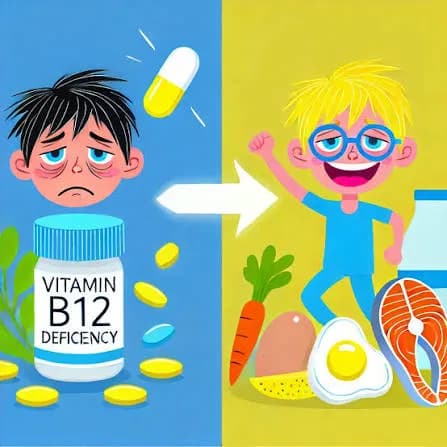
Key Takeaways
- Common in India due to widespread vegetarian eating combined with absorption issues.
- B12 occurs naturally only in animal foods – dairy helps vegetarians more than strict vegans.
- Stomach acid naturally declines with age, which can block B12 absorption even with adequate intake.
- Symptoms build slowly: fatigue, tingling in hands and feet, and brain fog.
- A blood test measuring serum B12 is the only reliable way to confirm it.
Vitamin B12 deficiency develops when the body doesn’t get or absorb enough B12 to support red blood cell formation and nerve function, and it’s especially common in India due to widespread vegetarian eating patterns combined with certain absorption issues. It builds up slowly, so early signs are easy to miss.
What Causes Vitamin B12 Deficiency?
A deficiency of vitamin B12 generally comes from one of two broad causes:
- Not getting enough from diet — B12 occurs naturally only in animal-derived foods, so long-term vegetarians and vegans without supplementation or fortified foods are at risk; dairy provides some B12, which is why vegetarians who eat paneer, curd, and milk regularly tend to fare better than strict vegans, who need to plan around this gap more deliberately
- Not absorbing it properly — conditions like pernicious anaemia, gut surgery, long-term use of certain acid-reducing medications, or ageing (stomach acid naturally declines with age, and acid is needed to release B12 from food) can all block absorption even when intake is adequate
Who Is Most at Risk, and What Are the Symptoms?
Groups at higher risk of vitamin B12 deficiency include:
- Long-term vegetarians and vegans, especially those who rarely eat dairy or eggs
- Older adults, due to naturally reduced stomach acid
- People on long-term antacid or metformin medication
- Pregnant and breastfeeding women, who have higher B12 requirements
- Anyone with a digestive condition affecting nutrient absorption
Common symptoms of deficiency of vitamin B12 develop gradually and can include:
- Persistent fatigue and weakness
- Tingling or numbness in the hands and feet
- Pale or slightly yellow-tinged skin
- Memory problems, brain fog, or difficulty concentrating
- Mood changes, including irritability or low mood
- A sore or smooth-looking tongue
How Vitamin B12 Deficiency Is Diagnosed and Treated
The only reliable way to confirm it is a blood test measuring serum B12 levels, sometimes alongside methylmalonic acid or homocysteine for a fuller picture — symptoms alone are too easy to confuse with stress, thyroid issues, or simple tiredness. Catching vitamin B12 deficiency early through routine blood work makes treatment far simpler than waiting for symptoms to become severe. If diet is the cause, the fix is usually dietary changes plus B12-rich or fortified foods (our guide on vegetarian B12 sources covers this in practical detail); if absorption is the issue, oral supplements, sublingual tablets, or B12 injections are typically used instead, since the problem isn’t intake but uptake. Importantly, being vegetarian doesn’t automatically mean deficiency — it simply means B12 intake needs a bit more intentional attention than it does with a diet that includes meat or fish.
If diet is the underlying cause, our guide to vitamin B12 foods for vegetarians walks through exactly what to eat, and it’s worth knowing what high vitamin B12 symptoms look like too, since deficiency and excess can sometimes get confused; our broader guide to vitamin B complex benefits covers how B12 fits alongside the other seven B vitamins.
Photo: Marina Shemesh, CC BY-SA 2.0, via Openverse (Flickr)
Who Should Get Tested Proactively
Not everyone needs routine B12 testing, but a few groups genuinely benefit from checking rather than waiting for symptoms of vitamin B12 deficiency to appear. Long-term vegans, and vegetarians who rarely eat dairy or eggs, are worth testing periodically, since diet is their main line of defence and it’s easy to underestimate how little B12 is actually coming through. Anyone over 60 should also consider it, since reduced stomach acid with age quietly raises the risk of vitamin B12 deficiency even in people eating a mixed diet. People on long-term metformin or acid-reducing medication, anyone who’s had gut or bariatric surgery, and pregnant women should also flag it with their doctor, since these situations affect absorption regardless of what’s on the plate. Testing early, before symptoms appear, is what makes vitamin B12 deficiency straightforward to correct rather than a slow-building problem.
Common Mistakes People Make With B12
- Waiting for obvious symptoms before testing — vitamin B12 deficiency builds up slowly, and by the time fatigue or tingling is unmistakable, levels may have been low for a long time.
- Assuming “I eat dairy, so I’m fine” — occasional milk or curd may not be enough on its own; actual intake and absorption both matter, not just whether B12-containing food is technically part of the diet.
- Confusing symptoms with something else entirely — fatigue, low mood, and brain fog overlap with thyroid issues, stress, and iron deficiency, which is why self-diagnosing vitamin B12 deficiency from symptoms alone often leads nowhere.
- Stopping supplementation too early — nerve-related symptoms can take months to fully improve even after B12 levels are corrected, so treatment often needs to continue longer than people expect.
Myths vs Facts About Vitamin B12 Deficiency
Myth: Only strict vegans get vitamin B12 deficiency. Fact: Lacto-vegetarians and even occasional dairy eaters can develop it too, particularly as they get older or if they have an absorption issue, since diet is only one half of the equation.
Myth: A daily multivitamin is enough to prevent it. Fact: Many general multivitamins contain a modest amount of B12 that may not be enough to correct an existing deficiency, though it can help prevent one in someone with normal absorption — a targeted supplement or injection is usually needed once vitamin B12 deficiency is confirmed.
Myth: Vitamin B12 deficiency always causes obvious symptoms. Fact: It can build up silently for years, with only mild or vague symptoms, which is exactly why routine blood testing matters more than waiting to “feel” a problem.
Frequently Asked Questions
Related Articles

Healthy fats: why your body needs fat
Healthy fats help your body absorb vitamins and support brain, hormones, joints, cells and daily meals. Learn simple vegetarian sources and habits.


Good fats vs bad fats: choose fats wisely
Understand good fats vs bad fats in simple words. Learn which vegetarian fats to choose, what to reduce and how to read food labels better.
