
High Vitamin B12 Symptoms: What Excess B12 Looks Like
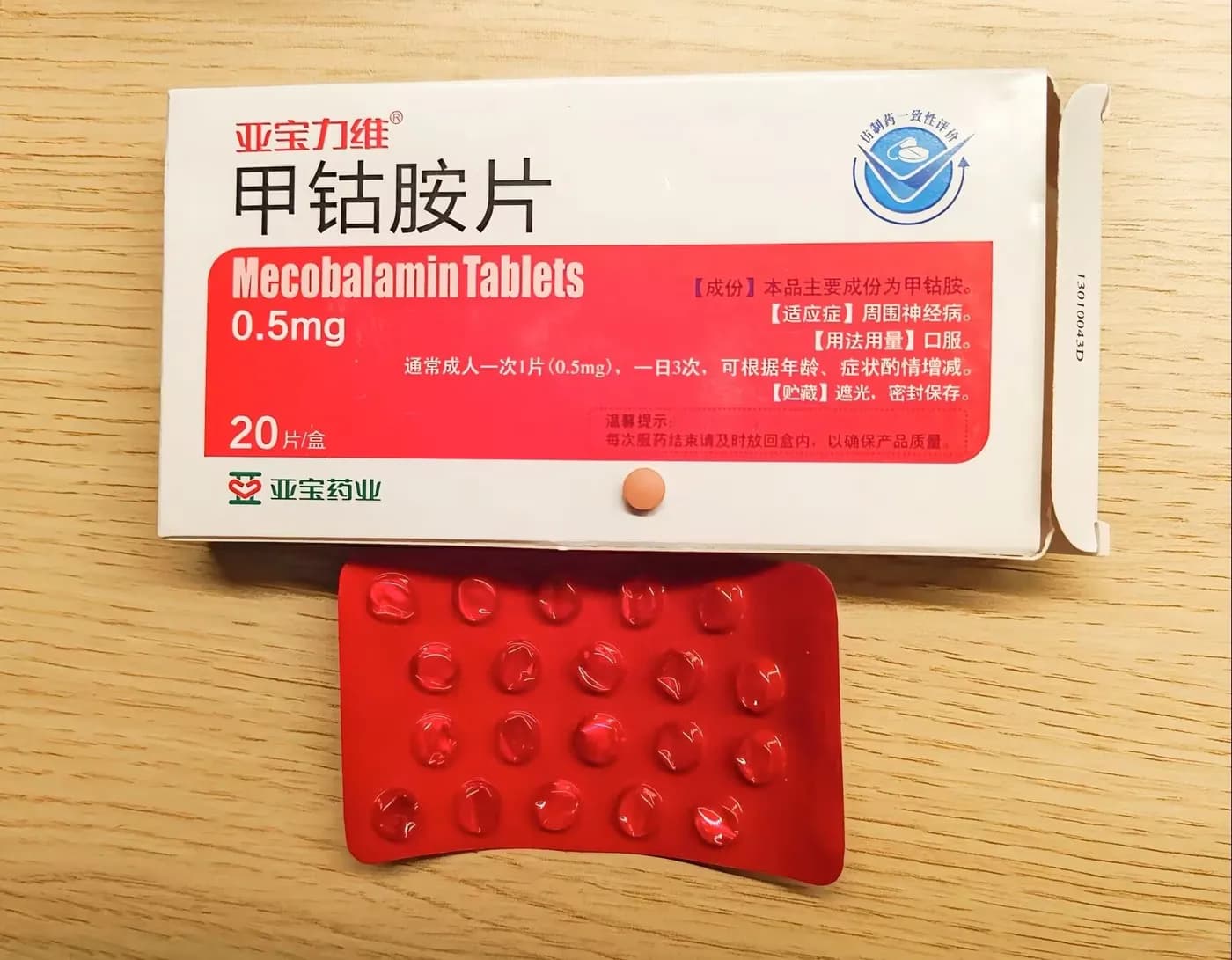
High B12 levels almost always come from supplementation or injections, not food, since it’s nearly impossible to get too much B12 from diet alone. See.

Key Takeaways
- High B12 almost always comes from supplements or injections, not food.
- Most people with elevated B12 feel nothing – it’s often found incidentally on a blood test.
- Unlike fat-soluble vitamins, B12 has no established toxic dose from oral intake.
- High B12 without any supplement use at all is worth flagging to a doctor.
- A supplement taken just before a blood test can temporarily inflate the reading.
High vitamin B12 symptoms are the opposite problem to deficiency — they show up when blood B12 levels are higher than normal, almost always from supplementation or injections rather than food, since it’s essentially impossible to get too much B12 from diet alone. In most cases, high vitamin B12 symptoms are harmless, but it’s worth understanding why they happen.
What Are the High Vitamin B12 Symptoms to Watch For?
B12 is water-soluble, so the body typically excretes what it doesn’t need — which is why high levels from oral supplements rarely cause direct symptoms on their own. When they do appear, high vitamin B12 symptoms are usually mild and can include:
- Mild headache or nausea
- Skin reactions such as acne or rosacea flare-ups in some people
- Diarrhoea, in cases of very high-dose supplementation
- Anxiety or difficulty sleeping, reported occasionally at very high doses
Importantly, most people with elevated B12 feel nothing unusual at all — the finding often turns up incidentally on a routine blood test rather than through any noticeable complaint. This is exactly why high vitamin B12 symptoms are considered uncommon even when levels test high.
Why Does Excess Vitamin B12 Happen, and Is It Dangerous?
High vitamin B12 symptoms and elevated readings usually trace back to one of these explanations:
- High-dose supplements or injections — especially B12 shots taken more frequently than needed
- An underlying health condition — in some cases, unexpectedly high B12 can be linked to liver disease, kidney disease, certain blood disorders, or diabetes, where the body processes B12 differently
- Lab timing — taking a B12 supplement shortly before a blood test can temporarily inflate the reading without reflecting a real ongoing excess
Unlike fat-soluble vitamins (A, D, E, K), which can build up to toxic levels, B12 doesn’t have an established toxic dose from oral intake, and no official upper limit has been set. That said, a high vitamin B12 reading found on a blood test shouldn’t be dismissed automatically — it’s worth mentioning to a doctor, since in a small number of cases it can point to something else going on rather than the supplement itself. Anyone genuinely worried about high vitamin B12 symptoms should raise it at their next check-up rather than trying to self-diagnose the cause.
When High B12 Is a Genuine Concern vs. Harmless
As a general guide:
- Usually harmless: high B12 with a known recent history of supplements or injections, no other symptoms, and normal liver/kidney function
- Worth a closer look: high B12 with no supplement use at all, or alongside unexplained fatigue, weight loss, or jaundice — these combinations warrant medical evaluation to rule out an underlying cause
Not every elevated reading means something is wrong, but high vitamin B12 symptoms combined with other red flags deserve attention. The key mistake to avoid is either extreme: panicking over a high B12 result without context, or ignoring it entirely if it appears alongside other unexplained symptoms. A doctor can interpret the full picture far better than the number alone.
If your levels tend to run low instead, our guide to vitamin B12 deficiency covers the opposite end of this same spectrum, along with the vitamin B12 foods for vegetarians that help keep levels steady in the first place; for how B12 fits into the bigger nutritional picture, our vitamin B complex benefits guide rounds that out.
Photo: Ragesoss, CC BY-SA 3.0, via Wikimedia Commons
Who Should Be Cautious About B12 Supplementation
Most people taking a standard B12 supplement or occasional injection will never notice high vitamin B12 symptoms at all, but a few groups should be more deliberate about it. Anyone with liver disease, kidney disease, or a known blood disorder should discuss B12 supplementation with a doctor first, since these conditions can affect how the body processes and clears B12, making elevated readings more likely and harder to interpret. People taking high-dose B12 injections for a diagnosed deficiency should also expect their levels to run high for a period during treatment — this is normal and expected, not a sign that anything has gone wrong. And anyone who notices new or unusual symptoms alongside a high B12 reading, particularly unexplained weight loss, jaundice, or persistent fatigue, should raise it with a doctor rather than assuming it’s simply from their supplement.
Common Mistakes When Interpreting a High B12 Reading
- Panicking over a routine blood test result — high vitamin B12 symptoms are rare, and an elevated number alone, with no other symptoms, is usually not cause for alarm.
- Not mentioning recent supplement use to the doctor — timing matters, and a B12 shot or tablet taken shortly before a blood draw can temporarily inflate the reading without reflecting a real ongoing excess.
- Assuming all vitamins behave the same way when levels run high — B12 is water-soluble and behaves very differently from fat-soluble vitamins like A or D, which is why the risk profile for high vitamin B12 symptoms is so much lower.
- Ignoring a high reading that comes with other red flags — combined with unexplained fatigue or weight loss, a high B12 result deserves a proper medical work-up rather than being dismissed as “just the supplement.”
Myths vs Facts About High Vitamin B12 Symptoms
Myth: High B12 is always caused by taking too much supplement. Fact: While supplements and injections are the most common cause, liver disease, kidney disease, and certain blood disorders can also raise B12 levels naturally, so high vitamin B12 symptoms don’t automatically point to over-supplementation.
Myth: If your B12 is high, you should stop supplementing immediately. Fact: The right response depends on the cause — for many people on a prescribed regimen, a temporarily high reading is expected and not a reason to stop without medical guidance.
Myth: High vitamin B12 symptoms are as serious as vitamin A or D toxicity. Fact: Because B12 is water-soluble, the body clears excess amounts relatively easily, and there’s no established toxic dose from oral intake, unlike the fat-soluble vitamins that can build up in the body.
Frequently Asked Questions
Related Articles
High BP Kaise Control Kare Yoga Se
High BP kaise control kare yoga se? जानिए 7 असरदार योगासन, सही तरीका और रोज़ाना की दिनचर्या जो BP को संतुलित रखने में मदद करे।

Morning Exercise for High Blood Pressure: 7 Best Workouts to Lower BP Naturally
Consistent low-to-moderate movement — brisk walking, gentle yoga, pranayama, and bodyweight strength without breath-holding — lowers resting blood.
Meditation for High Blood Pressure: A Supportive Habit
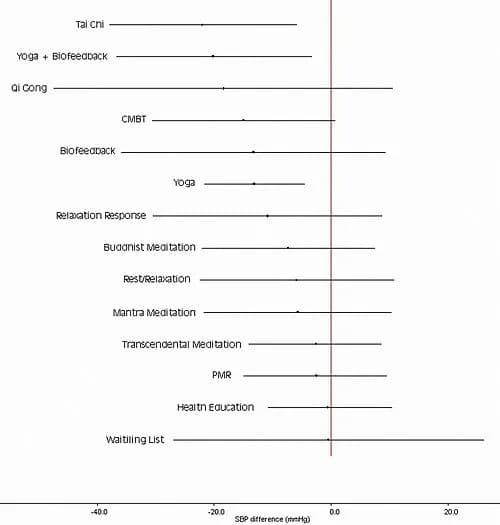
Meditation for high blood pressure is a helpful daily habit, not a treatment — always keep taking your medication and seeing your doctor. See how it supports your care, and explore guided sessions with Habuild.