
Meditation for High Blood Pressure: A Supportive Habit
Meditation for high blood pressure is a helpful daily habit, not a treatment — always keep taking your medication and seeing your doctor. See how it supports your care, and explore guided sessions with Habuild.
Key Takeaways
- A helpful daily habit, not a treatment – keep taking prescribed medication as usual.
- Works by activating the parasympathetic ‘rest and digest’ response via slow breathing.
- Try inhaling for 4 counts and exhaling for 6-8, repeated for 8-10 rounds.
- Doesn’t eliminate blood pressure spikes; helps the body drop back down faster after them.
- A single stressful afternoon isn’t the concern – chronic, daily elevation is.
Let’s start with the most important thing: meditation for high blood pressure is a helpful daily habit, not a treatment. If you take blood pressure medication, keep taking it exactly as prescribed, and keep seeing your doctor. What meditation can genuinely offer is a way to lower the chronic stress that contributes to elevated blood pressure over time, used alongside your medical care, never instead of it.
Why Meditation for Hypertension Can Help
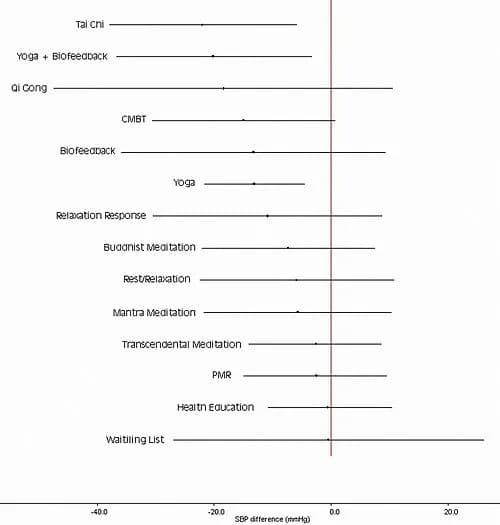
Chronic stress keeps your body in a low-grade “fight or flight” state — a state that, over months and years, is linked to higher blood pressure. Meditation for high blood pressure works by activating the opposite response, the parasympathetic “rest and digest” state, through slow breathing and quiet attention. This doesn’t happen through willpower or force. It happens because a longer, slower exhale directly signals your nervous system that it’s safe to calm down, which measurably eases heart rate and the physical tension that comes with ongoing stress.
Used consistently, this kind of daily practice can be a meaningful part of an overall lifestyle approach to blood pressure — alongside diet, movement, sleep, and, most importantly, your prescribed treatment plan. Meditation for hypertension is a complement to that plan, one piece of a bigger picture, not a stand-alone fix.
Anyone starting meditation for high blood pressure benefits from understanding what “chronic” actually means here, since a single stressful afternoon isn’t what raises long-term blood pressure risk. Your blood pressure naturally spikes and dips throughout the day in response to stress, activity, and even conversation — that’s normal, healthy variability. The concern is when the nervous system rarely gets to downshift out of that alert state, so blood pressure stays elevated more often than it should, day after day, for months or years. Meditation for high blood pressure doesn’t eliminate the spikes themselves; it increases how often and how fully your body drops back down afterward, which is the part that matters most for long-term cardiovascular health.
A Simple Slow-Breath Practice
This is widely considered one of the best meditation for high blood pressure techniques because it’s built entirely around the calming power of a longer exhale.
- Sit comfortably, back reasonably upright, shoulders relaxed.
- Breathe in gently through your nose for a count of four.
- Exhale slowly for a count of six to eight — noticeably longer than the inhale.
- Repeat for eight to ten rounds, letting each exhale feel a little softer and slower.
- Continue for five to ten minutes daily, ideally at a consistent time.
That extended exhale is doing most of the work here. It’s a simple, safe practice that most people can do anywhere, with no equipment needed.
A common mistake people make with meditation for high blood pressure is forcing the inhale to be deep and dramatic, which can actually create more tension in the chest and shoulders. Keep the inhale gentle and unremarkable — the entire calming effect comes from stretching out the exhale, not from breathing in harder. Another mistake is holding the breath between inhale and exhale, which raises pressure in the chest momentarily; let the breath flow smoothly instead, with no pause.
Photo: Blood pressure monitoring, CC0, via Wikimedia Commons
A Word on Monitoring at Home
Many people combine this practice with checking their own blood pressure at home, which is genuinely useful for tracking trends over weeks — but worth doing with the right expectations. It’s normal for a single reading to vary depending on the time of day, recent activity, caffeine, or even the stress of measuring itself, sometimes called “white coat” elevation. Meditation for high blood pressure is more meaningfully judged by the trend across many readings over weeks than by any single number. If you do track readings at home, share the pattern with your doctor rather than reacting to any one reading in isolation.
Meditation for High Blood Pressure Is a Complement, Not a Substitute
This needs to be said plainly and without hedging: meditation cannot replace blood pressure medication, and it should never be used as a reason to stop or reduce a prescribed treatment without your doctor’s guidance. Blood pressure is a serious medical matter, and untreated hypertension carries real risks. Meditation for high blood pressure sits alongside your treatment plan as a supportive daily habit — easing the stress-related contributors to blood pressure — while your doctor manages the medical side. If you’d like more daily-habit ideas that support healthy blood pressure, Habuild’s guide on how to maintain blood pressure is a good companion read, and there’s also a dedicated mudra for high BP hand-gesture practice you can pair with the breathing above.
Making It a Daily Habit
Like most things related to health, consistency matters more than any single session. Ten minutes of this slow-breath practice most days, done alongside your prescribed treatment, tends to help more with the stress-related side of blood pressure than one long session done occasionally. Keep monitoring your blood pressure as your doctor recommends, and mention to them that you’re adding meditation to your routine.
Frequently Asked Questions
Related Articles
Binaural Beats Meditation: Does It Work?
Binaural beats meditation plays two slightly different tones, one in each ear, so the brain perceives a third pulsing beat used as a calming anchor. Learn how to try it, and what the evidence actually supports.

10 Minute Meditation: A Quick Daily Reset
A 10 minute meditation is long enough to settle into real calm and short enough to actually do daily. Find your own quick daily reset with Habuild's guided sessions.
Anapana Meditation: Technique and Benefits
Anapana meditation, one of the oldest breath-awareness practices, simply asks you to observe the natural breath without controlling it. Learn the technique with Habuild's guided sessions.