
Vitamin B12 Foods Vegetarian Diets Are Often Missing — And Where to Find Them
B12 is made only by bacteria and doesn’t occur naturally in any plant food — a real gap in most vegetarian diets. See where vegetarians can reliably find.
Key Takeaways
- B12 is made only by bacteria – it doesn’t occur naturally in any plant food.
- Dairy is the single most reliable everyday B12 source for lacto-vegetarians.
- Strict vegans have almost no reliable natural B12 source and need fortified foods or a supplement.
- Adults need about 2.4 micrograms of B12 daily, slightly more in pregnancy.
- Absorption can decline with age, so even dairy eaters should periodically check levels.
Vitamin B12 foods vegetarian eaters can rely on are more limited than most people realise, because B12 is made only by bacteria and simply doesn’t occur naturally in any plant food. For vegetarians, the reliable sources come down to dairy, eggs, fortified foods, and supplements.
Where Do Vitamin B12 Foods Vegetarian Diets Actually Come From?
Since India has one of the world’s largest vegetarian populations, this is a genuinely important, practical question rather than a niche one:
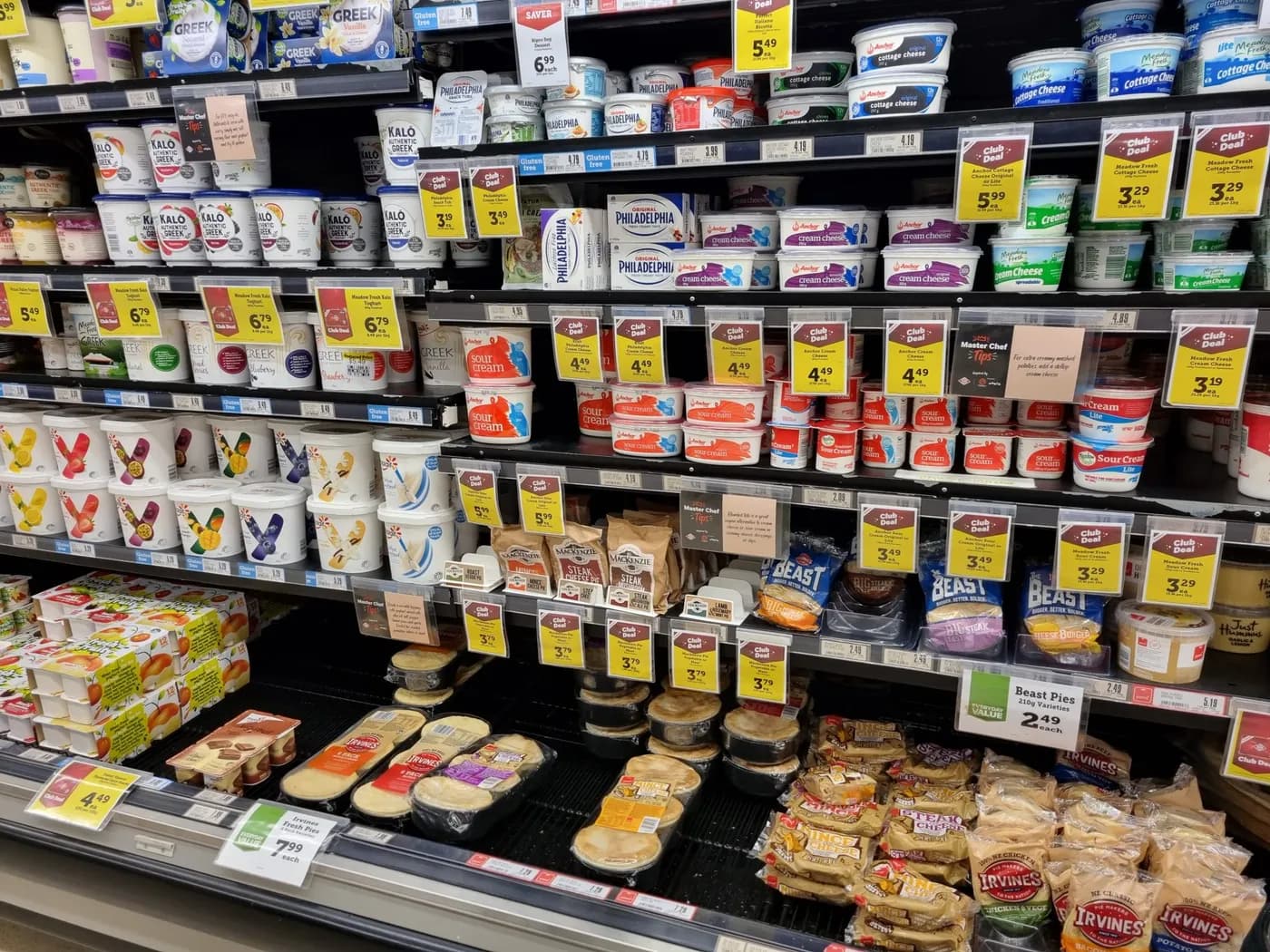
- Milk and dairy products — milk, curd (dahi), paneer, and cheese all contain B12, making dairy the single most reliable everyday source for lacto-vegetarians
- Eggs — a decent source for ovo-vegetarians, though a less concentrated B12 source than dairy
- Fortified foods — some breakfast cereals, plant milks, and nutritional yeast are fortified with added B12; check the label, since fortification levels vary
- B12 supplements — tablets, sprays, or injections, often the most dependable option for strict vegans or anyone with low levels confirmed by a blood test
Why B12 Foods Vegan Diets Need Extra Attention
For those following a fully vegan diet with no dairy or eggs, B12 foods vegan-friendly enough to rely on barely exist in nature — this is the one nutrient where “eat more plants” genuinely doesn’t solve the problem, no matter how varied or well-planned the diet is. This isn’t a flaw in vegetarian or vegan eating; it’s simply how B12 works, since it’s produced by bacteria and archaea, not by plants or animals themselves (animals get it from their gut bacteria or their diet). This is exactly why finding reliable vitamin B12 foods vegetarian diets can consistently deliver matters so much before deficiency symptoms set in. Fortified plant milks, fortified nutritional yeast, and a B12 supplement are the practical answer, and are widely recommended by dietitians for vegans specifically.
How Much B12 Do You Need, and Common Mistakes
Adults generally need about 2.4 micrograms of B12 per day, slightly more during pregnancy and breastfeeding. A common mistake is assuming that occasional dairy or eggs “cover” B12 needs without checking actual intake — B12 also depends on proper absorption in the gut, which can decline with age or certain digestive conditions, regardless of diet. If you’re vegetarian and have never checked your B12 levels, a simple blood test is a more reliable starting point than assuming your diet is sufficient. Working through which vitamin B12 foods vegetarian diets typically include, alongside a periodic blood test, is the simplest way to stay ahead of this. For what happens when B12 runs genuinely low, see our dedicated guide on vitamin B12 deficiency.
It’s worth knowing the flip side too — high vitamin B12 symptoms explains what happens on the rare occasions levels run too high, and our broader vitamin B complex benefits guide shows how B12 fits in alongside the other seven B vitamins.
Photo: Alexschneider250, CC0, via Wikimedia Commons
Who Should Be Extra Careful About B12 Intake
Within the vegetarian population, some groups need to be more deliberate about vitamin B12 foods vegetarian diets typically rely on. Strict vegans, who eat no dairy or eggs at all, are the clearest case — without fortified foods or a supplement, their diet has essentially no reliable B12 source. Older vegetarians are another group to watch, since stomach acid naturally declines with age, making it harder to absorb B12 even from the same dairy-rich diet that worked fine in earlier decades. Pregnant and breastfeeding vegetarian women have higher B12 requirements and should mention their diet to their doctor, since the growing baby depends entirely on the mother’s B12 status. And anyone with a digestive condition that affects absorption — even a committed lacto-vegetarian eating dairy daily — may still need a supplement, since the issue in that case is uptake, not intake.
Common Mistakes Vegetarians Make With B12
- Assuming “I eat dairy sometimes” is enough — occasional milk or curd may not add up to a meaningful daily amount; consistent intake of vitamin B12 foods vegetarian diets can rely on matters more than sporadic servings.
- Overlooking fortified foods entirely — fortified plant milks, cereals, and nutritional yeast are often overlooked, even though they can meaningfully close the gap for lacto-vegetarians and vegans alike.
- Not checking actual B12 content on fortified labels — fortification levels vary widely between brands, so assuming any “fortified” product delivers a full day’s worth is a common and easily avoidable mistake.
- Waiting for symptoms before testing — B12 deficiency builds up slowly, so testing periodically, rather than waiting to feel unwell, is the more reliable approach for long-term vegetarians.
Myths vs Facts About Vitamin B12 Foods for Vegetarians
Myth: Some plant foods, like spirulina or tempeh, are natural B12 sources. Fact: These foods contain B12 analogues that the body can’t actually use, so they don’t count as reliable vitamin B12 foods vegetarian diets can depend on, despite sometimes being marketed that way.
Myth: Eating enough dairy guarantees you’ll never be B12 deficient. Fact: Dairy is a strong everyday source, but absorption issues, ageing, and certain medications can still cause deficiency even with adequate dietary intake, which is why periodic testing is still worthwhile.
Myth: Vegetarians only need to worry about B12 if they feel tired. Fact: Many people with low B12 have no obvious symptoms for a long time, which is exactly why relying on the right vitamin B12 foods vegetarian diets need, alongside occasional testing, works better than waiting for a warning sign.
Frequently Asked Questions
Related Articles
Protein rich vegetarian foods: the perfect plate habit
Learn how protein rich vegetarian foods support energy, strength and fullness. Use the perfect plate habit with greens, grains and protein.

Protein-rich vegetarian foods: 1/4th plate habit
Explore protein, carbohydrates, healthy fats and meal planning for strength training, muscle building and recovery.

Iron rich foods need protein: 1/4th plate habit
Eating iron rich foods is important, but protein helps your body use iron better. Learn the 1/4th plate protein habit with simple vegetarian foods.