
Vitamin B3 Niacin Benefits: Function, Deficiency, and Food Sources
Vitamin B3, or niacin, turns food into usable energy and keeps skin and nerves healthy. See its full function, deficiency signs, and best food sources.
Key Takeaways
- Niacin helps convert carbohydrates, fats, and protein into usable energy.
- Deficiency causes pellagra, remembered by ‘the three D’s’: dermatitis, diarrhoea, dementia.
- Historically linked to diets very heavily based on untreated maize.
- Peanuts, brown rice, whole wheat, and mushrooms are good vegetarian sources.
- High-dose niacin supplements for cholesterol should never be self-prescribed.
Vitamin B3 niacin benefits centre on turning the food you eat into usable energy, keeping skin and nerves healthy, and supporting normal cholesterol levels — niacin is one of the eight B vitamins, but it has jobs that are distinctly its own, separate from the rest of the B family.
What Are the Main Vitamin B3 Niacin Benefits?
- Energy metabolism — niacin is a building block of NAD and NADP, two molecules every cell needs to convert carbohydrates, fats, and protein into energy
- Skin health — supports the skin barrier; deficiency shows up as dermatitis
- Digestive health — supports the lining of the gut and normal digestion
- Cholesterol balance — at prescription-strength doses, niacin is used medically to raise HDL (“good”) cholesterol, though this should only be done under medical supervision
- Nervous system function — supports normal brain and nerve signalling
What Happens When You Don’t Get Enough Niacin?
Missing out on vitamin B3 niacin benefits for long enough causes a true niacin deficiency, a condition called pellagra, historically linked to diets very heavily based on untreated maize (corn) with little dietary variety. Pellagra is classically remembered by “the three D’s”:
- Dermatitis — a dark, scaly rash on skin exposed to sunlight
- Diarrhoea — digestive upset and inflammation of the gut lining
- Dementia — confusion, memory problems, and irritability in advanced cases
Severe pellagra is rare today in India but mild niacin insufficiency can still occur in diets that are very restrictive or heavily reliant on a single low-protein staple grain.
Food Sources and How Much Niacin You Need
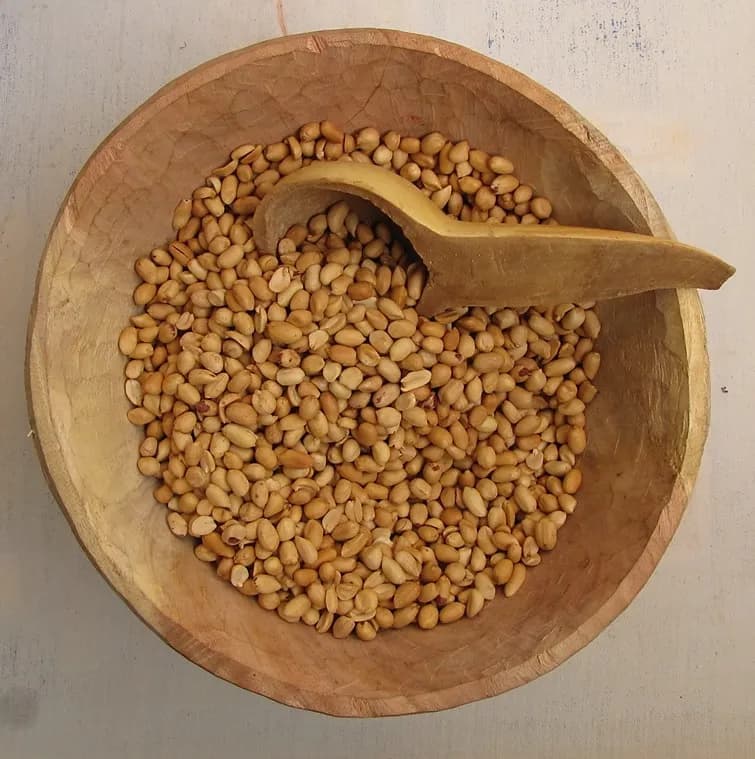
Good vegetarian sources of niacin include peanuts, brown rice, whole wheat, mushrooms, dates, and green peas; niacin is also present in eggs and dairy in smaller amounts. The body can additionally make a small amount of niacin from the amino acid tryptophan, found in milk, soy, and eggs. Eating these regularly is the simplest way to keep the vitamin B3 niacin benefits above working in your favour every day.
The recommended dietary allowance for adults is roughly 14 mg/day for women and 16 mg/day for men, easily met through a varied Indian diet with grains, legumes, and dairy. High-dose niacin supplements (used for cholesterol management) can cause flushing, itching, or liver strain, so they should never be self-prescribed — this is a case where more is not automatically better.
Niacin is part of the same energy-metabolism team as the rest of the B vitamins, so our vitamin B complex benefits guide is worth a look for the full picture, and since B1 shares many of the same food sources and jobs, our vitamin B1 (thiamine) benefits piece covers that closely related vitamin too.

Photo: Glane23, CC BY-SA 4.0, via Wikimedia Commons
Who Should Be Cautious With Niacin
The everyday vitamin B3 niacin benefits are safe and easily obtained through food for almost everyone, but supplements are a different story and deserve more caution. People with liver disease should avoid high-dose niacin supplements altogether, since niacin at prescription strength is processed through the liver and can worsen existing liver strain. Anyone with gout should also be careful, since high-dose niacin can raise uric acid levels and potentially trigger a flare. People with diabetes should check with a doctor before starting niacin supplements, as high doses can affect blood sugar control. And pregnant women, or anyone already on cholesterol medication, should never start a high-dose niacin regimen without medical supervision — the food-based vitamin B3 niacin benefits are safe throughout, but supplement-level doses are a different conversation entirely.
Common Mistakes With Niacin Intake
- Self-prescribing high-dose niacin for cholesterol — this is a medical-strength intervention that needs monitoring for liver strain and blood sugar changes, not something to start on your own based on the general vitamin B3 niacin benefits described for food.
- Mistaking niacin flushing for an allergic reaction — the warmth and redness some people feel after a high-dose supplement is a known, usually harmless response, though it’s still worth mentioning to a doctor if it’s severe or persistent.
- Relying on a single low-protein staple grain for most meals — historically the root cause of pellagra, and still a risk in very restrictive or monotonous diets today.
- Assuming supplements are needed at all — most people eating a varied Indian diet with grains, legumes, and dairy get the full vitamin B3 niacin benefits from food without ever needing a tablet.
Myths vs Facts About Vitamin B3 Niacin Benefits
Myth: Niacin flushing means the supplement is working better. Fact: Flushing is simply a blood vessel response to high-dose niacin and isn’t a marker of how effectively it’s supporting cholesterol or any other benefit — some people get the same results with far less flushing on a different formulation.
Myth: Pellagra is only a historical concern, irrelevant today. Fact: While rare with varied modern diets, niacin deficiency can still occur with very restrictive eating patterns, so the vitamin B3 niacin benefits discussed here remain practically relevant, not just a history lesson.
Myth: If some niacin is good, more is always better. Fact: Food-based intake is essentially self-regulating and safe, but high-dose supplements can cause real side effects like liver strain and flushing, so the vitamin B3 niacin benefits from a balanced diet don’t scale the same way a supplement dose does.
Frequently Asked Questions
Related Articles

Healthy fats: why your body needs fat
Healthy fats help your body absorb vitamins and support brain, hormones, joints, cells and daily meals. Learn simple vegetarian sources and habits.

Good fats vs bad fats: choose fats wisely
Understand good fats vs bad fats in simple words. Learn which vegetarian fats to choose, what to reduce and how to read food labels better.
