
Vitamin C Benefits: Immunity, Skin, Antioxidants & Sources
Vitamin C strengthens immunity, builds collagen for skin and joints, and improves how well you absorb iron from plant foods. See its full benefits and.
Key Takeaways
- A water-soluble vitamin the body can’t store, so it needs a fresh daily supply.
- Essential as a cofactor for collagen synthesis – the body can’t make collagen without it.
- Dramatically improves absorption of non-heme (plant-based) iron when eaten together.
- Amla can carry more vitamin C than an orange, making it a striking outlier.
- The RDA is around 65-90mg daily; smokers need more due to extra oxidative stress.
Vitamin C benefits touch nearly every system in the body — it strengthens immunity, builds collagen for skin and joints, acts as a powerful antioxidant, and improves how well you absorb iron from plant foods. It’s a water-soluble vitamin your body can’t store, so you need a fresh supply every day through food.
Vitamin c benefits at a glance
- Immunity — supports white blood cell function and helps the body fight infection faster
- Skin & collagen — essential for collagen synthesis, which keeps skin firm and wounds healing well
- Antioxidant protection — neutralises free radicals that contribute to cellular ageing and damage
- Iron absorption — dramatically improves absorption of non-heme (plant-based) iron when eaten together
- Heart health — some research links adequate vitamin C intake to better blood vessel function
- Gum & connective tissue health — deficiency was historically linked to scurvy, a disease of weak gums and connective tissue
Why vitamin C benefits skin and collagen specifically
Collagen is the structural protein that keeps skin elastic and joints cushioned, and your body cannot manufacture it without vitamin C as a cofactor. This is one of the most well-documented advantage of vitamin c claims in skincare — it’s not just a topical ingredient trend, it’s a genuine biological requirement. Low vitamin C intake shows up as slow wound healing, easy bruising and dull skin long before more serious deficiency symptoms appear.
Top food sources of vitamin C
Getting these vitamin C benefits consistently starts with knowing which foods deliver the most vitamin C per serving:
| Food (per 100g) | Approx. Vitamin C |
| --- | --- |
| Amla (Indian gooseberry) | ~600mg |
| Guava | ~228mg |
| Bell peppers (red) | ~128mg |
| Kiwi | ~93mg |
| Orange | ~53mg |
| Lemon | ~53mg |
| Papaya | ~62mg |
| Tomato | ~14mg |
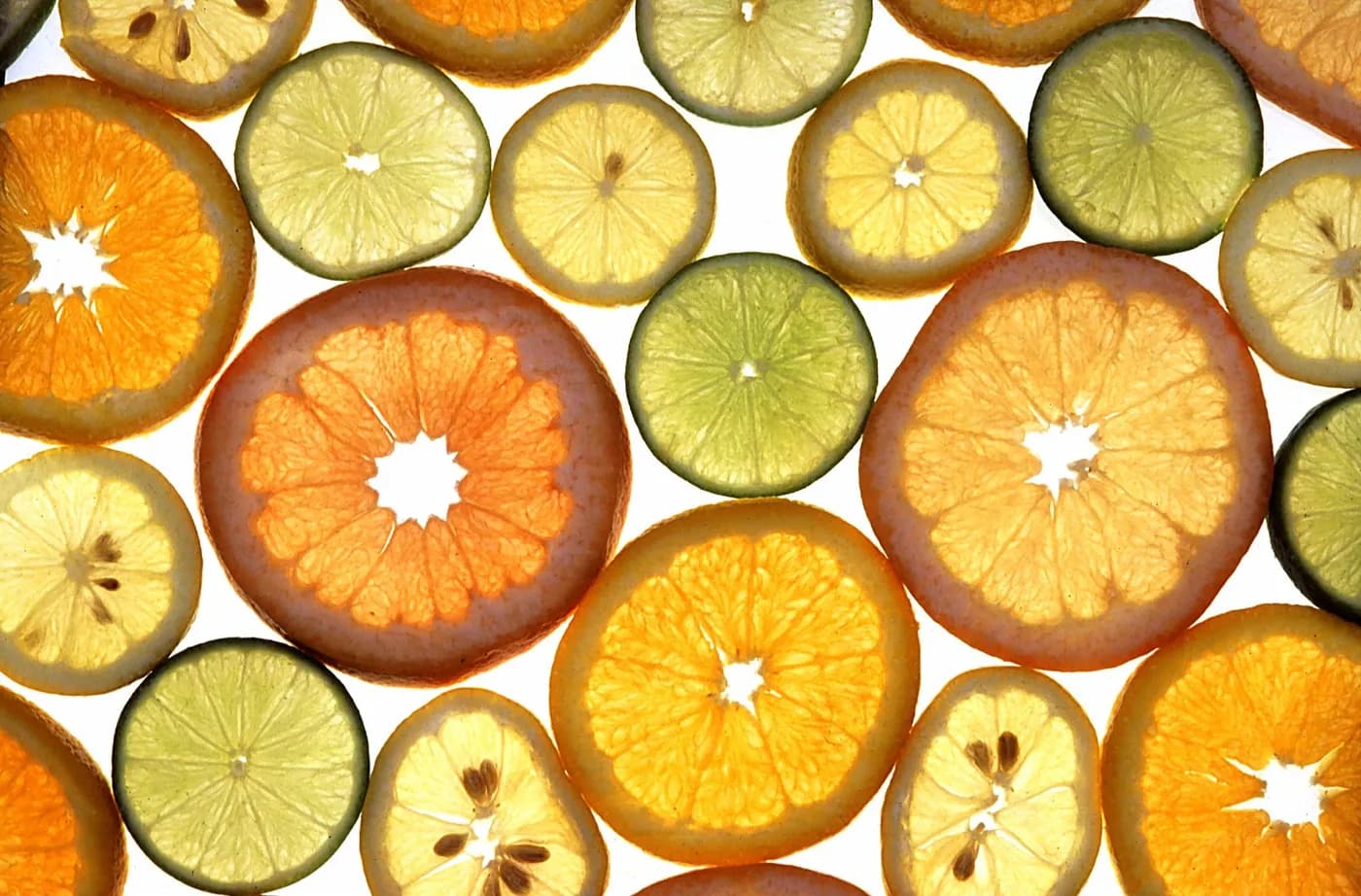
Amla is a striking outlier here — a single Indian gooseberry can carry more vitamin C than an orange, which is part of why it’s so central to Ayurvedic immunity formulas. Since vitamin C breaks down with heat and prolonged storage, eating these foods raw or lightly cooked preserves more of it. Rotating a few of these into your week is really the easiest way to bank the vitamin C benefits above without any extra effort.
Photo: Rakesh Rocky, CC BY 2.0, via Openverse (Flickr)
How much vitamin C do you need daily
The RDA for adults is around 65-90 mg per day, with smokers needing more due to increased oxidative stress. A single guava or a couple of amlas typically covers the full day’s requirement, which makes vitamin C one of the easier nutrients to get right through food alone, without supplements, and still get the full vitamin C benefits your body is looking for.
Who benefits most from extra vitamin C
Some groups get more out of vitamin C benefits than others, because their baseline needs are higher or their intake tends to fall short:
- Smokers — oxidative stress from smoking burns through vitamin C faster, which is why the RDA for smokers is generally set about 35mg higher than for non-smokers.
- People recovering from surgery or wounds — since vitamin C benefits collagen synthesis directly, consistent intake during recovery supports faster healing.
- Pregnant and breastfeeding women — requirements rise by roughly 10-45mg a day depending on the stage, to support fetal development and milk production.
- Athletes and heavily active people — intense training raises oxidative load, so the antioxidant side of vitamin C benefits becomes more relevant, though food sources alone usually cover the extra need.
- Older adults eating less fresh produce — absorption doesn’t change much with age, but intake often quietly drops, reducing the vitamin C benefits people over 60 actually get day to day.
Vitamin C rarely works alone as an antioxidant — our guide to vitamin E benefits covers the fat-soluble partner that protects cell membranes the way vitamin C protects the watery parts of cells. And since the same colourful fruits and vegetables tend to double up on nutrients, our pieces on vitamin A beta-carotene benefits and vitamin A food sources are worth reading alongside this one.
Vitamin C supplements vs. food: what’s actually different
Not all vitamin C benefits arrive the same way. Synthetic ascorbic acid in a supplement is chemically identical to the vitamin C in an amla or a guava — your body doesn’t process it differently at a molecular level. But whole foods bring fibre, flavonoids and other plant compounds along with it, which may support absorption and offer benefits of their own. For most healthy adults eating a varied diet, food-based vitamin C benefits are entirely sufficient, and supplements really only become useful with limited access to fresh produce, a diagnosed deficiency, or unusually high needs like heavy smoking or post-surgical recovery. Splitting a supplement dose across the day rather than taking it all at once also improves absorption slightly, since the body can only use so much vitamin C before excreting the rest.
Common mistakes and myths worth knowing
- “Megadosing prevents colds entirely” — evidence shows vitamin C may modestly shorten cold duration in some people but doesn’t reliably prevent infection outright.
- “Only citrus fruits count” — amla, guava and bell peppers all outrank oranges gram-for-gram; don’t limit your sources to citrus.
- Storing cut fruit for too long — vitamin C degrades with air exposure, so fruit juiced or cut hours in advance has noticeably less of it by the time you eat it.
Frequently Asked Questions
Related Articles

Healthy fats: why your body needs fat
Healthy fats help your body absorb vitamins and support brain, hormones, joints, cells and daily meals. Learn simple vegetarian sources and habits.

Good fats vs bad fats: choose fats wisely
Understand good fats vs bad fats in simple words. Learn which vegetarian fats to choose, what to reduce and how to read food labels better.
