
Vitamin C Foods: Simple Indian Sources and Meal Ideas
Discover vitamin C-rich Indian foods, easy meal ideas, simple cooking tips, deficiency signs and safe supplement guidance to follow.
Key Takeaways
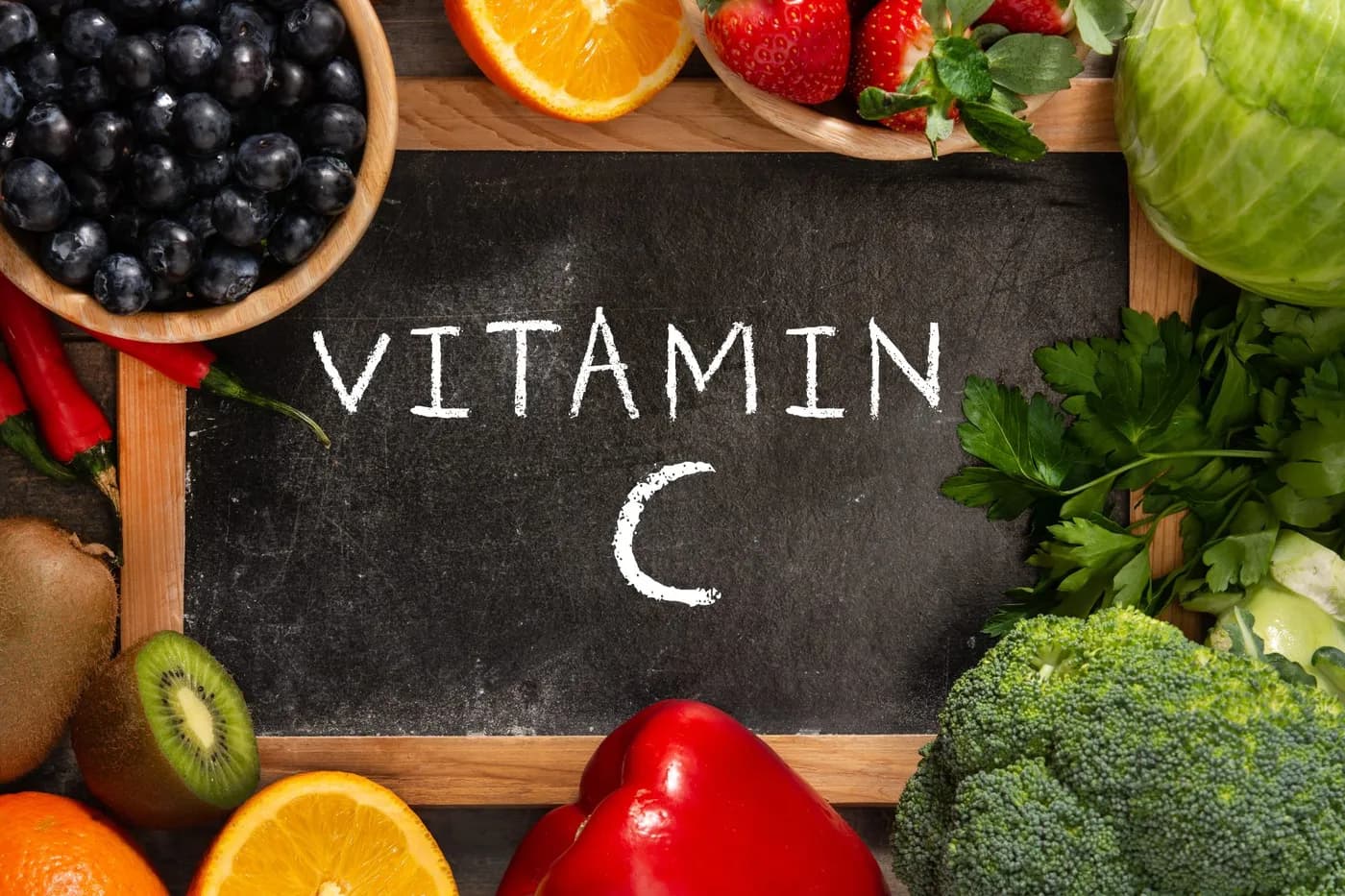
- Amla, guava, citrus, capsicum and tomatoes are familiar sources.
- Fresh or quickly cooked produce generally retains more vitamin C.
- Pairing vitamin C with dals, beans, leafy greens or seeds can improve plant-iron absorption.
- Supplements do not prevent every cold and large doses can cause digestive discomfort.
- Food variety matters more than chasing one “superfood”.
Vitamin C foods are easy to find in an Indian kitchen. Amla, guava, citrus, capsicum and tomatoes supply this nutrient without an expensive “immunity” drink. The useful habit is regular variety.
Why vitamin C matters
Vitamin C, also called ascorbic acid, is a water-soluble nutrient. The body uses it to make collagen, a protein involved in skin, blood vessels, cartilage and wound healing. It also supports normal immune function, acts as an antioxidant and helps the body absorb iron from plant foods. (1)
The body does not store large amounts, so regular food sources are sensible. Extra intake will not “supercharge” immunity.
Useful Indian vitamin C foods
You do not need imported berries or supplements. Many Indian vitamin C foods are affordable and widely available:
- Amla: Fresh Indian gooseberry has a sharp, sour taste and can be eaten in small pieces, grated into chutney or added to a meal.
- Guava: A practical whole-fruit option that also provides fibre.
- Oranges and mosambi: Whole fruit usually provides more fibre than strained juice.
- Lemon: A squeeze over dal, chana, poha or vegetables is an easy way to pair vitamin C with plant iron.
- Capsicum: Red, yellow and green capsicum can be eaten raw when safely washed or cooked briefly.
- Tomatoes: Useful in salads, chutneys, dals, rajma and vegetable dishes.
- Papaya and kiwi: Both add variety to breakfast or a snack.
Freshness, storage and preparation affect nutrient levels. Amla and guava are rich choices, but there is no need to depend on one food.
For more detail on the whole fruit, read Amla Benefits: What Indian Gooseberry Does for Your Body.
Amla vitamin C: food versus concentrated products
The phrase amla vitamin C often appears on product labels. Fresh amla is a useful source, but its nutrient content varies with variety, storage and processing.
Whole amla retains fibre and texture. Strained juice provides less fibre, while murabba, candy or commercial juice may add sugar. Choose the form that fits your meal and digestion rather than assuming the most concentrated product is best.
If you prefer juice, Habuild’s guide to amla juice benefits and safety explains how it differs from the whole fruit.
Easy meal ideas using vitamin C rich foods
The easiest approach is to add vitamin C rich foods to meals you already enjoy:
- Squeeze lemon over dal, rajma, chole or sprouts just before eating.
- Add tomato and capsicum to poha, upma or vegetable dishes.
- Serve guava, papaya or an orange as a snack instead of sweetened fruit juice.
- Make fresh amla-coriander chutney with moderate salt.
- Add cabbage or capsicum to a quick stir-fry.
- Pair tomato salad with khichdi, dal-rice or roti and sabzi.
This pairing is especially valuable in a vegetarian diet. Dal, beans, chickpeas, sesame and leafy greens contain non-haem iron, and vitamin C can help the body absorb more of it.
Try lemon with chana, tomato with rajma or capsicum with tofu. Diagnosed iron deficiency still requires testing and an appropriate treatment plan.
How cooking and storage affect vitamin C
Vitamin C can be reduced by prolonged storage, heat and contact with cooking water. Long boiling followed by discarding the water can result in greater loss. Quick steaming, sautéing or stir-frying may retain more.
Not every vegetable should be eaten raw. Cooking may improve safety, digestibility and taste. Use a mixture of safely prepared raw and cooked produce.
To reduce unnecessary loss:
- buy amounts you can use while fresh;
- store produce away from heat and sunlight;
- wash before cutting instead of soaking chopped pieces for a long time;
- cut food close to preparation time; and
- use shorter cooking times when the recipe allows.
Wash fresh produce thoroughly under running water. The FDA advises cutting away damaged areas and avoiding soap, detergent or commercial produce wash because produce is porous and may absorb residues. (2)
Vitamin C deficiency: who may be at risk?
Severe vitamin C deficiency can lead to scurvy. Possible signs include fatigue, swollen or bleeding gums, easy bruising, small red or purple skin spots, joint discomfort and poor wound healing. These symptoms are not specific to one nutrient and need medical assessment.
Risk may be higher with a very restricted diet, smoking, severe malabsorption or certain medical conditions.
Do not diagnose a deficiency from tiredness or skin changes alone. Anaemia, infections and other conditions can cause similar symptoms. A clinician can decide whether dietary change, testing or supplementation is appropriate.
Do you need a vitamin C supplement?
Most people can obtain vitamin C from a varied diet. Supplements may be advised when intake is inadequate, but “more” is not always better.
Large doses may cause diarrhoea, nausea and cramps. People with haemochromatosis need particular care because high doses can worsen iron overload. Kidney disease, some kidney stones and cancer treatment are also reasons to consult a clinician.
No common supplement form is clearly superior. Check the amount per serving and avoid combining products containing the same nutrient.
Can vitamin C prevent colds?
Regular supplementation does not prevent every cold. Research suggests that people who take it consistently may experience slightly shorter or milder symptoms, but starting a supplement after symptoms appear does not seem to offer the same effect. (1)
Rest, fluids and appropriate care still matter. Seek advice for severe or worsening symptoms.
Build a simple food habit
Choose two or three familiar Indian vitamin C foods that suit your budget and season. Add one to a regular meal and repeat the habit instead of planning an elaborate “immunity diet”.
For help building balanced meals around familiar foods, see Habuild’s everyday Diet and Nutrition guide.
Editorial sources
Frequently Asked Questions
Related Articles
Protein rich vegetarian foods: the perfect plate habit
Learn how protein rich vegetarian foods support energy, strength and fullness. Use the perfect plate habit with greens, grains and protein.

Iron rich foods need protein: 1/4th plate habit
Eating iron rich foods is important, but protein helps your body use iron better. Learn the 1/4th plate protein habit with simple vegetarian foods.
Protein-rich vegetarian foods: 1/4th plate habit
Explore protein, carbohydrates, healthy fats and meal planning for strength training, muscle building and recovery.
