
Vitamin D Foods for Vegetarians: Sources, Fortification and Safety
Vitamin D is hard to get from vegetarian food alone. See which fortified foods, mushrooms and dairy or egg options help, and how to read labels.
Key Takeaways
- Fortified milk, plant drinks and cereals are the most reliable vegetarian food sources.
- Mushrooms supply vitamin D2 mainly after UV exposure; ordinary ones may contain little.
- Eggs add some vitamin D for lacto-ovo vegetarians; vegans should check the D3 source.
- Vitamin D can build up, so add up all supplements and let a clinician set high doses.
Vitamin D is difficult to obtain from food alone, especially in a vegetarian or vegan diet. Few plant foods contain it naturally, so fortified foods, ultraviolet-exposed mushrooms and, for lacto-ovo vegetarians, eggs do most of the work, with supplements providing more predictable amounts when needed. The practical task is to read labels, rely on sources you actually eat and test when a clinician advises it.
Why does vitamin D matter?
Vitamin D supports calcium absorption, bone mineralisation, muscle function and other processes in the body. Severe deficiency can cause rickets in children or osteomalacia in adults. Vague tiredness alone cannot diagnose it because many conditions share that symptom; a blood test and risk assessment give better answers.
Which vegetarian foods provide vitamin D?
Fortified milk, curd and plant drinks
Unfortified milk, curd and paneer contain little vitamin D naturally, so fortified versions are far more useful. Some dairy milk, plant drinks and yoghurts have vitamin D added, but fortification differs across brands and countries. In India, look for the +F fortification logo on packs and check the nutrition panel for micrograms or IU per serving. Shake fortified plant drinks as directed because nutrients can settle, and choose unsweetened versions when added sugar is a concern.
Fortified cereals and spreads
Certain breakfast cereals, margarines and other packaged foods are fortified. They can contribute meaningfully when eaten regularly, but the serving on the label may differ from the bowl or spoon you use at home. Consider fibre, sugar and the whole product rather than choosing it only for one added vitamin.
UV-exposed mushrooms
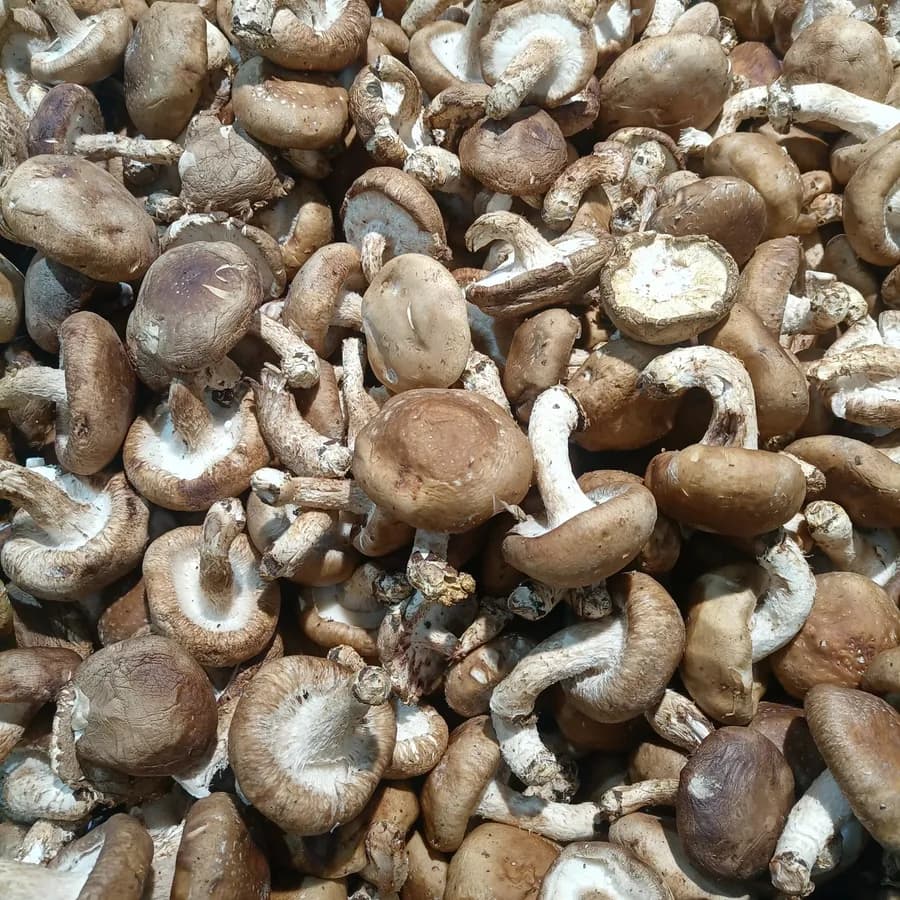
Mushrooms can provide vitamin D2, especially after controlled ultraviolet exposure. Ordinary mushrooms grown in darkness may contain little, and packaging sometimes states the amount. Sun-drying at home gives unpredictable results and is not a measured replacement for a prescribed supplement.
Eggs for lacto-ovo vegetarians
Egg yolks contain some vitamin D, so eggs can add to intake if you eat them. They are a useful contributor rather than a complete solution, and work best alongside fortified foods.
What about sunlight?
The skin makes vitamin D with suitable ultraviolet-B exposure, but production depends on latitude, season, time of day, skin pigmentation, clothing, air pollution, age and sunscreen. More sun is not always better because ultraviolet light also damages skin, so do not rely on a fixed number of minutes or on sunlight alone.
Who is more likely to run low?
Limited sun exposure, darker skin, older age, malabsorption, obesity, covering most of the skin and certain kidney or liver conditions increase risk. A vegetarian or vegan diet adds another consideration when fortified foods are scarce. A clinician can decide whether testing or routine supplementation is appropriate.
Choosing a vegetarian or vegan supplement
Vitamin D2 is generally suitable for vegans. Vitamin D3 is often made from lanolin (from sheep's wool), while lichen-derived D3 is vegan. Both forms can raise vitamin D status. If strict vegan suitability matters, check the ingredient source, capsule shell and any certification.
How to read a fortification label
Find vitamin D in micrograms or IU, and note whether the amount refers to 100 millilitres, one cup or another serving. One microgram equals 40 IU. Compare that serving with what you actually eat or drink, and be honest about how often: a fortified cereal eaten once a month is not a dependable source. Then add amounts from every supplement, so a multivitamin, a calcium tablet and a standalone vitamin D are not unknowingly stacked.
Can you take too much vitamin D?
Vitamin D is fat-soluble and can accumulate. Excessive repeated doses may raise blood calcium, causing nausea, weakness, thirst, frequent urination, kidney stones or more serious harm. High-dose or weekly schedules should be set by a clinician.
What does a vitamin D blood test mean?
The usual marker is serum 25-hydroxyvitamin D, but cut-offs and treatment decisions depend on clinical guidance, symptoms and risk. A low result does not reveal the cause by itself, and testing too soon after a large dose can complicate interpretation. Keep a list of the fortified foods you eat, their vitamin D per serving and any supplement doses, and bring it to the review. The goal is an appropriate level, not the highest number.
Editorial sources
Frequently Asked Questions
Related Articles
Vitamin D Rich Foods: Top 10 Sources to Add to Your Diet
Very few foods naturally contain large amounts of vitamin D — fortified milk, plant milks, and sun-exposed mushrooms cover most of what vegetarians need..
Vitamin D Deficiency Symptoms: 14 Signs to Watch For
Vitamin D deficiency symptoms are often subtle — fatigue, bone pain, low mood — and surprisingly common in India despite abundant sunlight. See the 14.

Vitamin B12 Foods Vegetarian Diets Are Often Missing — And Where to Find Them
B12 is made only by bacteria and doesn’t occur naturally in any plant food — a real gap in most vegetarian diets. See where vegetarians can reliably find.