
Vitamin D Rich Foods: Top 10 Sources to Add to Your Diet
Very few foods naturally contain large amounts of vitamin D — fortified milk, plant milks, and sun-exposed mushrooms cover most of what vegetarians need..
Key Takeaways
- Very few foods naturally contain much vitamin D – fortification and sunlight matter more.
- Regular indoor-grown mushrooms have little vitamin D unless UV-exposed.
- Strict vegans need fortified plant milks, cereals, or a lichen-derived D3 supplement.
- 10-20 minutes of midday sun on arms and legs remains the primary source for most people.
- Food alone rarely covers full requirements without regular sun exposure too.
Vitamin D rich foods include fortified milk, fortified plant milks and cereals, sun-exposed mushrooms, and a few dairy foods — plus regular sunlight exposure, since very few foods naturally contain large amounts of vitamin D on their own. For Habuild’s largely vegetarian readers, these fortified and sunlight-based sources cover most of what you need, no fish or cod liver oil required.
Top 10 sources of vitamin D
These vitamin D rich foods are ranked roughly by how much they typically contribute per serving:
| Food or source | Approx. Vitamin D |
| --- | --- |
| Sunlight exposure (10-20 min, midday, arms and legs) | Your body’s primary source — no food fully replaces it |
| Fortified milk | ~1-2 mcg per cup |
| Fortified plant milk (soy, almond, oat) | ~1-2.5 mcg per cup |
| Fortified breakfast cereals | ~1-2 mcg per serving |
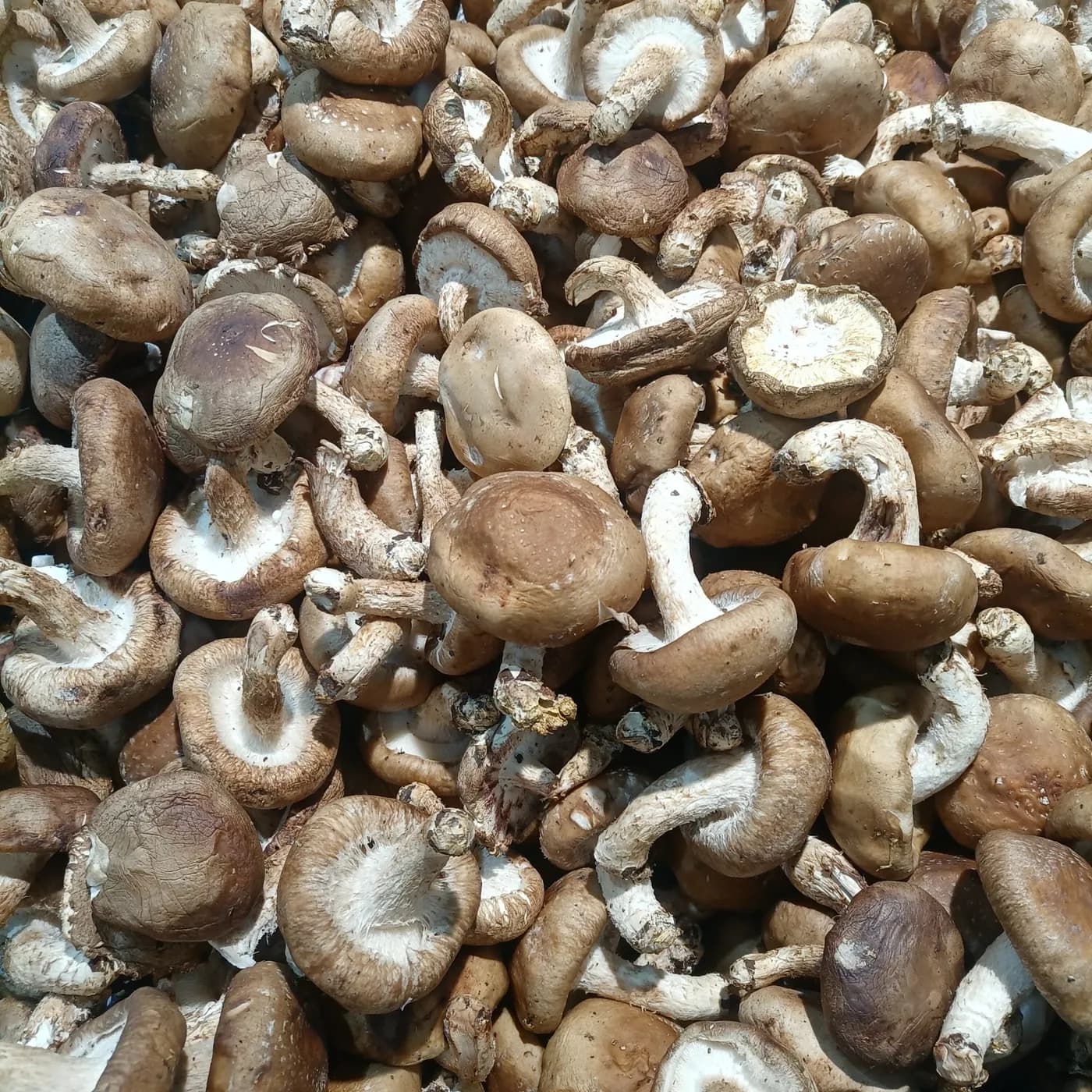
| UV-exposed mushrooms (like shiitake) | ~5-10 mcg, depending on UV exposure |
| Fortified paneer or tofu | ~1-2 mcg per serving, brand-dependent |
| Fortified curd/yogurt | ~1-2 mcg per serving, brand-dependent |
| Cheese (small amounts) | ~0.5-1 mcg |
| Vitamin D2 supplements (mushroom-derived) | Dosage set by a doctor, not a per-serving amount |
| Vitamin D3 supplements (vegan, lichen-derived, or standard) | Dosage set by a doctor, not a per-serving amount |
Note that regular button mushrooms grown indoors without UV light contain very little vitamin D — it’s the sun exposure during growing, not the mushroom itself, that matters. This is a good reminder that not all mushrooms qualify equally among vitamin D rich foods — growing conditions matter as much as the food itself.
Vegan sources: going dairy-free
For strict vegans, options are narrower than for vegetarians — UV-treated mushrooms, fortified plant milks, and fortified cereals are the main food-based sources. For vegans, the list of naturally reliable vitamin D rich foods narrows considerably, which is exactly why fortified products and supplements matter more here than for other diets. Most vegans still need a supplement to fully close the gap: D2 is always vegan since it’s mushroom-derived, and vegan D3 supplements made from lichen are now widely available as an alternative to the more common sheep’s-wool-derived D3.
How much these foods actually contribute
Even a diet built carefully around vitamin D rich foods typically supplies only a portion of daily requirements for most people — food alone is rarely enough without regular sun exposure, which is why vitamin D is sometimes called the “sunshine vitamin” rather than a purely dietary one. For the specific numbers you should be aiming for, see our Vitamin D Daily Requirement guide.
Photo: Edible fungi in basket, CC BY 4.0, via Wikimedia Commons
How to use these foods practically
- Get 10-20 minutes of midday sun on arms and legs a few times a week, without sunscreen, before relying on food alone to do all the work
- Choose fortified over plain — check milk, cereal and plant-milk labels for added vitamin D, common in Indian packaged products
- Buy UV-exposed mushrooms if available, or briefly sun-dry mushroom slices yourself before cooking
- Don’t rely on food alone if you’re already deficient — a confirmed deficiency usually needs medical-grade supplementation alongside diet; see our Vitamin D3 Deficiency article for how that’s tested and treated
Building a routine around these vitamin D rich foods, alongside a few minutes of sun, is more sustainable than chasing one “superfood” fix.
Not sure if you’re already falling short? Our guide to vitamin D deficiency symptoms covers the early warning signs worth watching for, and if a blood test does confirm low levels, vitamin D3 deficiency and the recommended daily vitamin D figures can help you gauge what correction actually looks like.
Storing and preparing vitamin D rich foods without losing potency
A few practical habits make a real difference to how much vitamin D actually reaches your plate:
- Sun-dry mushrooms gill-side up for 20-30 minutes before cooking if you can’t find pre-treated UV mushrooms — direct exposure is what generates the vitamin D, not the mushroom variety itself
- Store fortified milk and plant milk away from direct light — prolonged light exposure can gradually degrade the added vitamin D over weeks, so keep cartons in the fridge, not on an open counter
- Don’t overcook fortified dairy — while vitamin D is fairly heat-stable compared to some vitamins, very prolonged high-heat cooking still reduces it somewhat
- Check expiry dates on fortified products — added vitamin D can decline gradually as a product ages, even before the listed expiry
Who should prioritise vitamin D rich foods most
Food-based sources matter more for some groups than others, since their sun-based production is naturally lower to begin with:
- Indoor workers and desk-based professionals — limited midday sun exposure means diet has to do more of the work
- Older adults — skin becomes less efficient at making vitamin D from sunlight with age, making vitamin D rich foods a more important daily contributor
- People with naturally darker skin — more melanin reduces sunlight-based synthesis, so leaning more on fortified vitamin D rich foods and, where needed, supplements makes sense
- Vegetarians and vegans through winter months — shorter days and cooler weather reduce sun exposure just as dietary options narrow, making a consistent stock of vitamin D rich foods at home genuinely useful
Common mistakes with vitamin D rich foods
- Assuming all mushrooms count — only UV-exposed varieties have meaningful vitamin D
- Assuming all dairy or plant milk is fortified — check the label, since only some brands add vitamin D
- Skipping fortified foods because “natural” feels better — fortification is a legitimate, well-studied way to close common nutrition gaps
- Expecting food alone to fix a diagnosed deficiency — it supports levels but rarely reverses a significant deficiency on its own
Frequently Asked Questions
Related Articles
Protein rich vegetarian foods: the perfect plate habit
Learn how protein rich vegetarian foods support energy, strength and fullness. Use the perfect plate habit with greens, grains and protein.

Iron rich foods need protein: 1/4th plate habit
Eating iron rich foods is important, but protein helps your body use iron better. Learn the 1/4th plate protein habit with simple vegetarian foods.
Protein-rich vegetarian foods: 1/4th plate habit
Explore protein, carbohydrates, healthy fats and meal planning for strength training, muscle building and recovery.
