
Vitamin E Benefits: Antioxidant Power for Skin & Hair
Vitamin E is a fat-soluble antioxidant that protects cell membranes from damage and supports skin and hair health. See where to find it, and how much you.
Key Takeaways
- A fat-soluble antioxidant that protects cell membranes from oxidative damage.
- Evidence for hair benefits is thinner and more anecdotal than for skin.
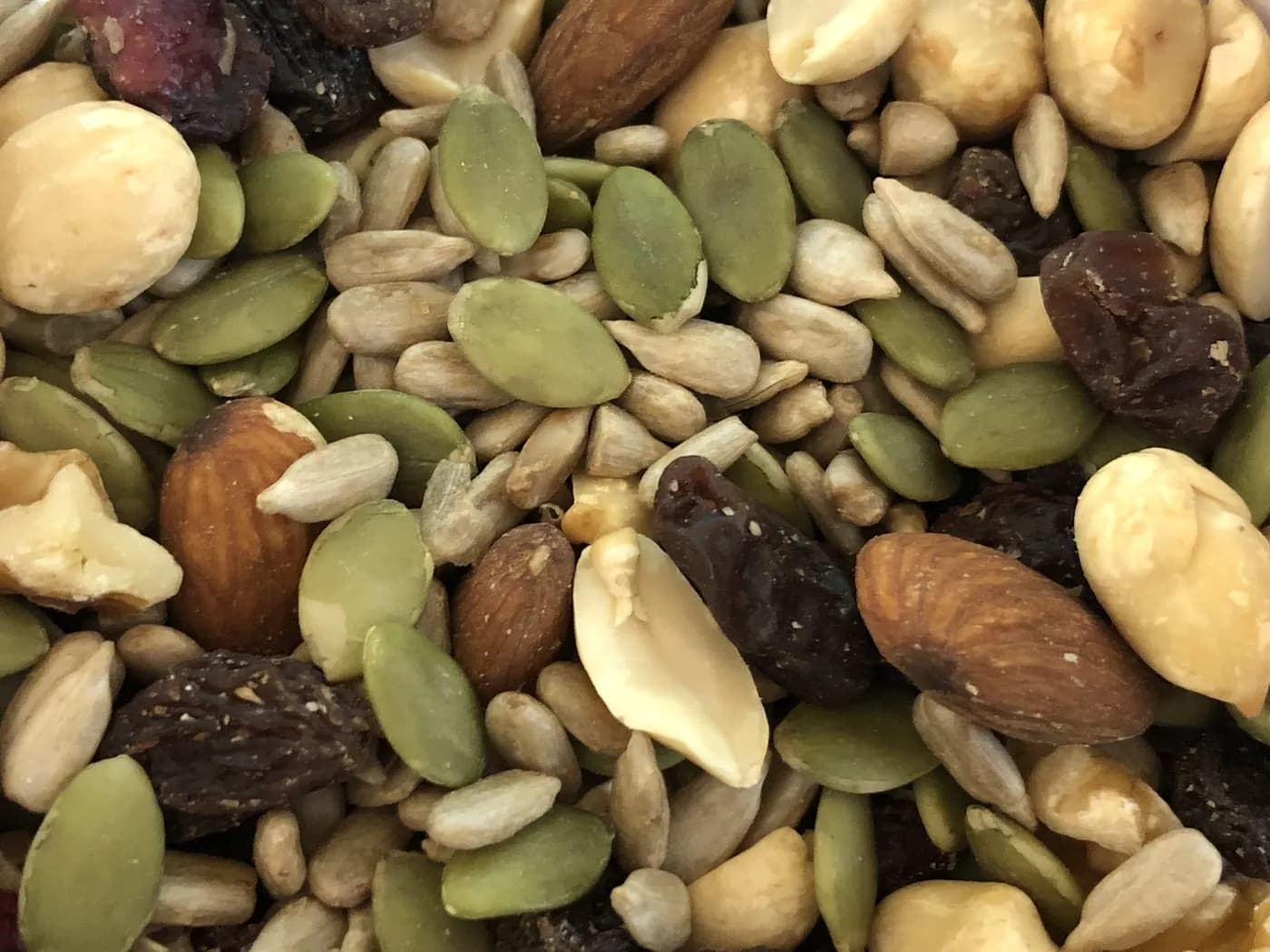
- Sunflower seeds, almonds, and sunflower oil are among the richest food sources.
- The RDA for adults is around 15mg a day, best absorbed alongside some dietary fat.
- Most people meet their needs through food alone, without needing a supplement.
Vitamin E benefits come mainly from its role as a fat-soluble antioxidant — it protects cell membranes from oxidative damage, supports skin and hair health, and plays a part in immune function. It’s found naturally in nuts, seeds and vegetable oils, and most people can meet their needs through food without supplements.
Vitamin e benefits at a glance
- Antioxidant protection — shields cell membranes, especially fat-containing ones, from free-radical damage
- Skin health — helps maintain skin barrier function and is commonly used in moisturisers and topical treatments
- Hair health — supports scalp circulation and is traditionally linked to reduced hair fall, though evidence here is more anecdotal than proven
- Immune support — plays a role in maintaining normal immune cell function, particularly as we age
- Eye health — works alongside other antioxidants to protect retinal cells over time
- Heart health — some research links adequate vitamin E intake to healthier blood vessels, though results are mixed
Most of these vitamin e benefits show up gradually with consistent intake rather than overnight, which is why food-based sources tend to work better than one-off high doses.
The real advantage of vitamin e for skin and hair
The advantage of vitamin e for skin isn’t magic — it comes down to its antioxidant action, which helps reduce the oxidative stress that accelerates visible skin ageing, like fine lines and dullness. Many skincare products use it precisely because it’s fat-soluble and stable in oil-based formulas. For hair, the evidence is thinner: vitamin E’s antioxidant role may help protect scalp tissue and support circulation, but it’s not a proven cure for hair loss caused by underlying deficiencies or hormonal issues — pairing it with the right diet works better than expecting it to work alone.
Top food sources of vitamin E
| Food (per 100g) | Approx. Vitamin E |
| --- | --- |
| Sunflower seeds | ~35mg |
| Almonds | ~26mg |
| Peanuts | ~8mg |
| Sunflower oil | ~41mg |
| Spinach, cooked | ~2mg |
| Avocado | ~2mg |
| Wheat germ oil | ~149mg |
A small daily handful of almonds or sunflower seeds, or cooking with sunflower or peanut oil in moderation, covers most of the day’s requirement for the average adult — and eating these foods regularly is the simplest way to get real vitamin e benefits without turning to a supplement.
How much vitamin E do you need daily
The RDA for adults is around 15mg per day. Because it’s fat-soluble, vitamin E is best absorbed alongside a meal that contains some fat — eating almonds with an empty stomach and zero dietary fat elsewhere in the day reduces how much you actually take up. Hitting this daily amount consistently, not occasionally, is what actually delivers the vitamin e benefits described above.
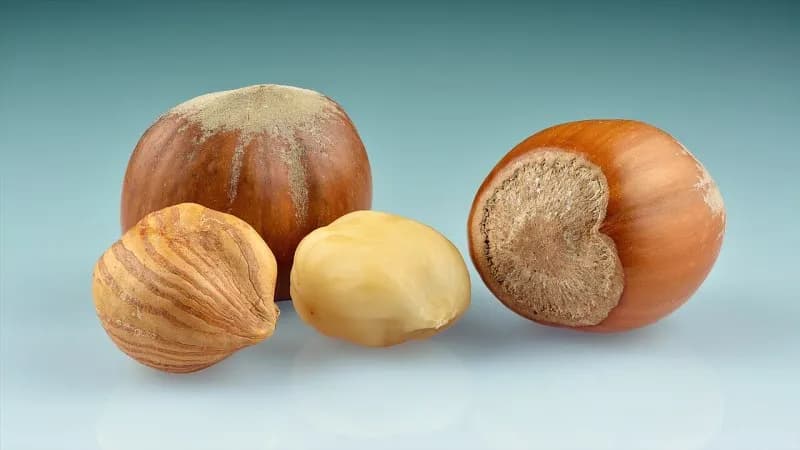
Photo: Ivar Leidus, CC BY-SA 4.0, via Wikimedia Commons
Who should pay closer attention to vitamin E benefits
Most people get enough vitamin E through a normal diet, but a few groups are more likely to fall short or need to think about it more deliberately:
- People with fat-malabsorption conditions — since vitamin E is fat-soluble, conditions like Crohn’s disease, celiac disease or chronic pancreatitis can reduce how much the body actually absorbs, regardless of dietary intake
- People on very low-fat diets — vitamin E needs some dietary fat to be absorbed properly, so an unusually low-fat eating pattern can blunt the vitamin e benefits even from otherwise good food choices
- Premature infants — born with lower vitamin E stores, they’re monitored more closely for deficiency in clinical settings, though this is managed medically rather than through diet
- Older adults — antioxidant needs don’t necessarily rise with age, but overall dietary variety often narrows, which can quietly reduce the vitamin e benefits people are actually getting day to day
Vitamin E rarely works in isolation as an antioxidant — it’s often discussed alongside vitamin C and vitamin A, which support skin and immune health through different but complementary pathways. If you’re curious where vitamin A’s antioxidant beta-carotene form actually comes from in food, our vitamin A food sources guide covers that in detail.
Natural vs. synthetic vitamin E: does the source matter
Not all vitamin E is identical. Natural vitamin E (labelled d-alpha-tocopherol) is generally considered more bioavailable than the synthetic form (dl-alpha-tocopherol) found in many supplements — research suggests the body retains and uses the natural form somewhat more efficiently at equivalent doses. For most people getting their vitamin e benefits from nuts, seeds and oils, this distinction barely matters, since food naturally contains the more bioavailable form. It becomes more relevant only if you’re choosing between supplement brands, where checking the label for “d-alpha” versus “dl-alpha” gives a genuine, practical edge.
Common mistakes and myths about vitamin E benefits
- “More vitamin E means faster hair growth” — there’s no strong evidence that high-dose vitamin E accelerates hair growth beyond correcting an actual deficiency.
- “Vitamin E oil applied directly always helps skin” — topical vitamin E can help some people but can also irritate sensitive skin; patch-testing matters.
- Relying on supplements over food — very high-dose vitamin E supplements have been linked to increased bleeding risk in some studies; food sources don’t carry this risk.
Who Should Be Cautious With Vitamin E Supplements
Food-based vitamin E benefits are safe for virtually everyone, but high-dose supplements deserve more caution for a few groups:
- People on blood thinners — vitamin E can mildly increase bleeding risk, so anyone on warfarin, aspirin, or similar medications should check with a doctor before adding a supplement
- Anyone with an upcoming surgery — high-dose vitamin E is often advised to be paused a couple of weeks before a procedure, for the same bleeding-risk reason
- People with vitamin K deficiency — vitamin E can interfere with vitamin K’s role in blood clotting, which matters most for people already low in vitamin K
- Anyone already taking multiple antioxidant supplements — stacking high-dose vitamin E with other antioxidant supplements offers no proven added benefit and raises the risk of exceeding a safe upper limit
None of this applies to getting vitamin e benefits from nuts, seeds, and oils at normal dietary amounts — the caution is specifically about high-dose, standalone supplements.
Frequently Asked Questions
Related Articles
Healthy fats: why your body needs fat
Healthy fats help your body absorb vitamins and support brain, hormones, joints, cells and daily meals. Learn simple vegetarian sources and habits.

Good fats vs bad fats: choose fats wisely
Understand good fats vs bad fats in simple words. Learn which vegetarian fats to choose, what to reduce and how to read food labels better.
