
Vitamin K: Functions, Food Sources, Deficiency and Safety
Vitamin K helps blood clot normally and activates proteins involved in bone metabolism. Most adults get enough from food, but newborns need special care.
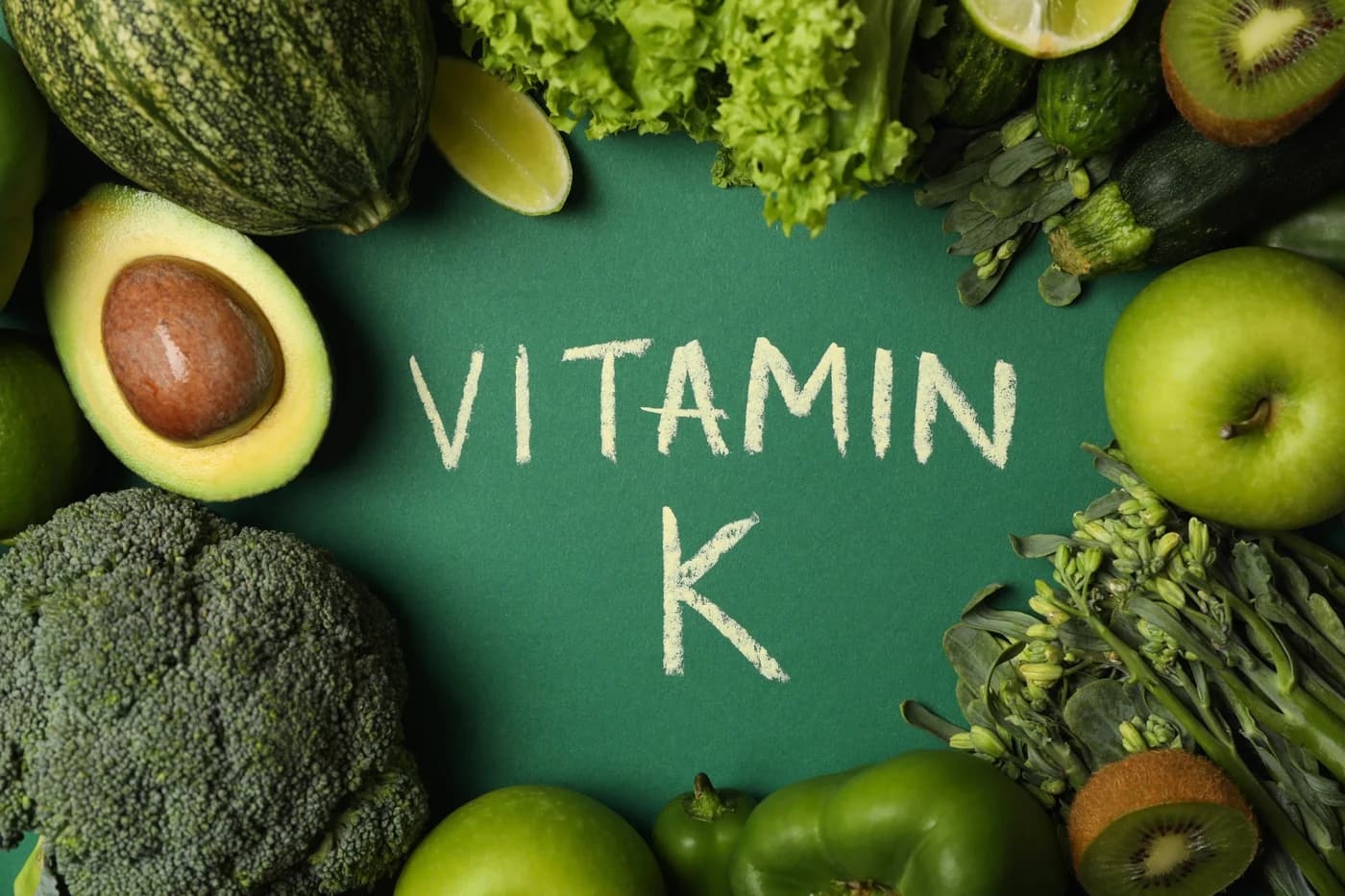
Key Takeaways
- Vitamin K activates proteins needed for normal blood clotting and bone metabolism.
- K1 comes mainly from leafy greens; K2 forms occur in some fermented and animal foods.
- Newborns have low stores, so a vitamin K injection after birth is widely recommended.
- Warfarin users need a steady vitamin K intake, not a ban on greens; follow INR monitoring.
Vitamin K is best known for helping blood clot normally, but it also activates proteins involved in bone metabolism. Most healthy adults obtain it through food, while newborns and people with certain absorption problems need special medical attention.
K1 and K2 explained
Vitamin K is a family of fat-soluble compounds. Phylloquinone, or K1, is the main dietary form and comes largely from leafy greens and other plants. Menaquinones, grouped as K2, occur in varying amounts in fermented foods and some animal foods, and gut bacteria also produce certain forms.
Both forms help activate proteins, but their food sources and movement through the body differ. That distinction is scientifically interesting; it does not mean everyone needs a K2 capsule.
What vitamin K does
The liver uses vitamin K to activate several clotting proteins, which is why it is essential for normal blood clotting. Bones also use vitamin K-dependent proteins involved in bone metabolism.
Food sources of vitamin K
Spinach, amaranth leaves, mustard greens, fenugreek leaves, broccoli, cabbage, herbs and some vegetable oils provide K1. Because vitamin K is fat-soluble, eating greens as part of a meal that contains some fat supports absorption.
A varied diet can meet needs without very large green smoothies. Rotate greens you enjoy through dal, sabzi, soups, stuffed rotis or lightly cooked sides; cooking reduces volume and can make a useful serving easier to eat. If digestive discomfort occurs, increase portions gradually instead of abandoning the whole food group.
Who is at risk of deficiency?
Deficiency is uncommon in healthy adults, who obtain enough through food and recycle vitamin K efficiently. Risk rises with disorders that impair fat absorption, certain liver or intestinal conditions, some gastrointestinal operations, prolonged use of medicines that affect absorption or gut organisms, and inadequate intake.
Deficiency can lead to bruising or abnormal bleeding, but these symptoms have many possible causes. Clinicians may evaluate bleeding history, medicines, liver function and clotting tests. Vitamin K is not a treatment to start on your own for unexplained bleeding, because a supplement can delay the right diagnosis or interact with treatment.
Vitamin K for newborns
Newborn babies begin life with low vitamin K stores, which is why a vitamin K injection after birth is widely recommended. Discuss the standard injection with the maternity team.
Vitamin K and warfarin
Vitamin K can change the effect of warfarin and related vitamin K antagonist medicines. People taking them are often told to avoid greens completely, but the more useful goal is usually a reasonably steady intake, so the dose can be adjusted around a realistic diet. Suddenly starting daily green smoothies or cutting out vegetables can disturb control.
Follow INR monitoring and the advice of your anticoagulation team, and do not change food habits or supplements without speaking to them. Illness, antibiotics and appetite changes can also affect the blood test, so report them rather than trying to correct the dose yourself.
Supplements, bones and heart claims
Food sources are safe for most people, but high-dose supplements may be unnecessary and can interfere with anticoagulant treatment. The bone-metabolism pathway explains interest in fracture prevention, yet it is not proof that high-dose supplements, including K2 products, prevent fractures in every healthy adult. Bone health also depends on resistance and weight-bearing activity, calcium, vitamin D, adequate food and fall prevention.
Research is also exploring proteins that regulate calcium in blood vessels. Current results do not justify using vitamin K products in place of blood-pressure care, cholesterol management, movement or stopping tobacco, and vitamin K does not replace osteoporosis medicines when those are indicated.
Editorial sources
Frequently Asked Questions
Related Articles
Fat soluble vitamins: why healthy fats help absorption
Vitamins A, D, E and K need fat for absorption. Learn simple Indian food pairings and how to add a little healthy fat to balanced meals.

Green Vegetables Benefits: Nutrition and Everyday Uses
Green vegetables include leafy greens, beans, peas, broccoli, okra and many local varieties.


Foods for Bone Strength: Calcium Isn’t the Whole Story
Bones are built from a team of nutrients — calcium, vitamin D, magnesium, and protein all play distinct roles. See the full picture beyond just calcium.