
Vitamin K2: Food Sources, Functions and Safety
Vitamin K2 is a group of compounds called menaquinones, part of the vitamin K family needed for normal blood clotting and bone proteins.
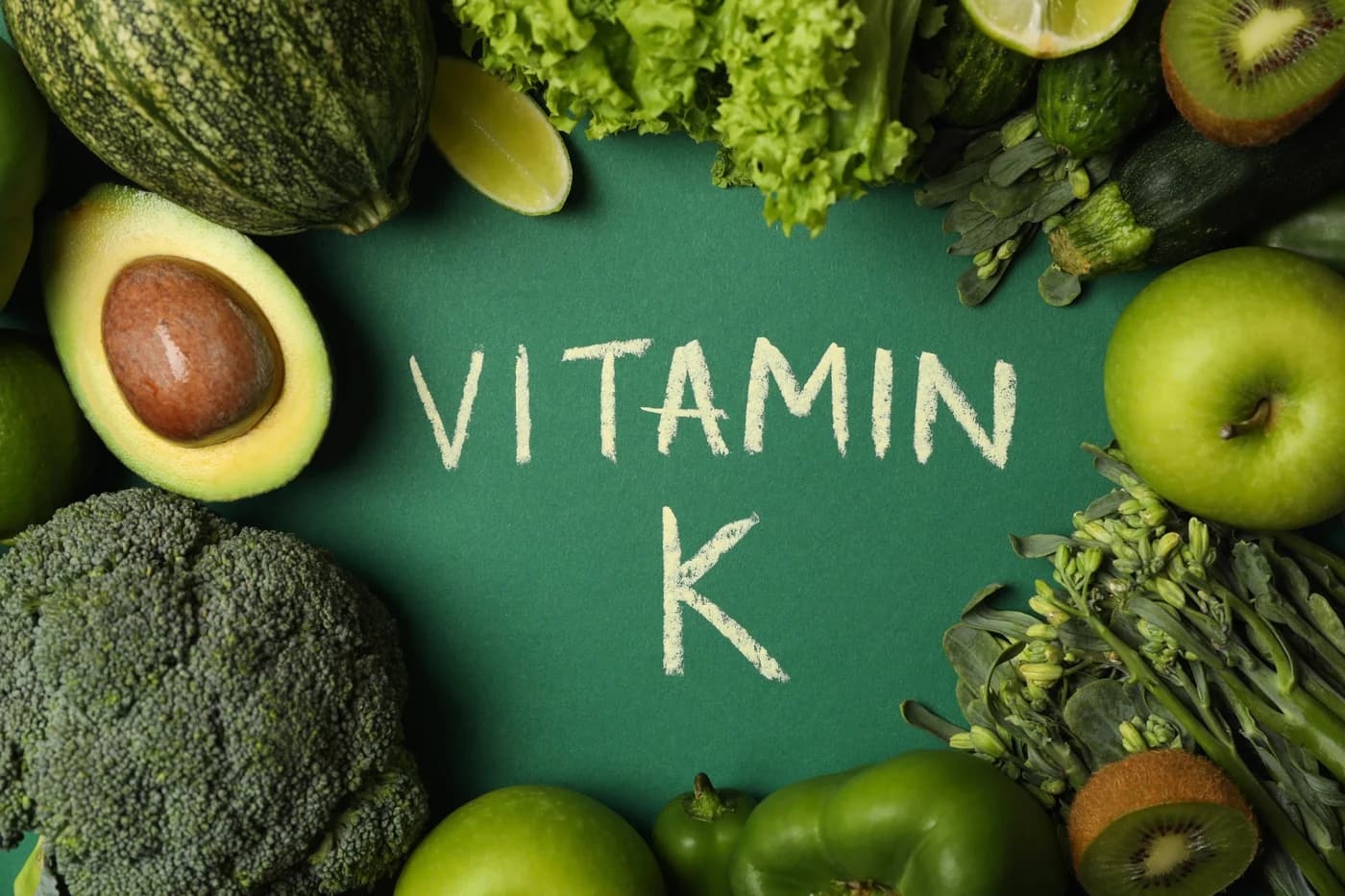
Key Takeaways
- Vitamin K includes K1 and several K2 forms with different food sources.
- The clearest established role of vitamin K is normal blood clotting.
- Bone and heart claims for K2 supplements remain under study.
- Warfarin users should keep vitamin K intake consistent and seek advice.
Vitamin K2 is a group of compounds called menaquinones. It belongs to the vitamin K family, which the body needs for normal blood clotting and for proteins involved in bone metabolism. Vitamin K2 benefits are often promoted for bones and arteries, but food sources, supplement forms and research findings need to be kept separate.
Possible benefits
- Supports activation of proteins required for normal blood clotting.
- Participates in proteins involved in bone formation and maintenance.
- Fermented foods can add dietary variety as well as vitamin K2.
- Correcting a true vitamin K deficiency supports normal body function.
K1, K2 and the menaquinones
Vitamin K1, or phylloquinone, is common in green vegetables. Vitamin K2 refers to menaquinones such as MK-4 and MK-7. They differ in source and in how long they remain in circulation, so a study of one form should not be applied automatically to another.
All forms of vitamin K are fat-soluble, so they are absorbed better when eaten with some fat in a meal. Bacteria in the gut also make menaquinones, but how much this contributes to the body's vitamin K status is still uncertain.
Where vitamin K2 is found
Natto, a Japanese fermented soybean food, is especially rich in MK-7. Some cheeses, curd, eggs, meat and other fermented foods provide varying amounts, but values depend on bacteria, processing and animal feed. A food does not need a K2 claim to be nutritious, and many diets obtain vitamin K mainly from leafy vegetables.
Natto, cheese, eggs and fermented foods
Fermentation alone does not guarantee a high or standard amount. Check reliable composition information rather than assuming every pickle, dosa batter or probiotic product is a K2 source. Natto has a strong smell and sticky texture; people can choose other foods if they do not enjoy it.
Deficiency and who may be at risk
Vitamin K deficiency is uncommon in healthy adults eating a varied diet. It is more likely with conditions that reduce fat absorption, such as coeliac disease, cystic fibrosis or some bowel and liver disorders, and after certain types of bariatric surgery. Signs can include easy bruising or bleeding, which need medical assessment rather than self-treatment.
Newborn babies have low vitamin K stores, which is why a vitamin K injection is routinely offered at birth to protect against bleeding. This is a specific medical practice and does not mean older children or adults need routine supplements.
What bone and heart studies mean
Studies examine bone density, fractures and vascular calcification, but findings are not consistent enough to promise that a supplement prevents osteoporosis or heart disease. Calcium, vitamin D, protein, movement, smoking and medicines also affect these outcomes.
Discussions of vitamin K2 benefits sometimes imply that K1 is inferior or that calcium automatically enters arteries without K2 tablets. Human biology is more complex, and supplement trials have not justified fear-based claims.
Reading a K2 supplement label
Labels may list MK-4 or MK-7 in micrograms and may combine K2 with vitamin D or calcium. More ingredients do not necessarily make a better product. Avoid doubling nutrients across multivitamins, bone formulas and stand-alone capsules. A higher number of micrograms is not automatically better, and no label can show that a product will change bone or heart outcomes.
Medicines and individual needs
Vitamin K can reduce the effect of warfarin and similar medicines. Do not suddenly increase, avoid or supplement it without the anticoagulation team. People with liver or absorption disorders, those preparing for surgery, and pregnant or breastfeeding people should use supplements only with appropriate advice.
Food first does not mean food only
Most healthy adults can obtain vitamin K through food, especially leafy vegetables that provide K1. A clinician may recommend a supplement for a specific reason, but the decision should consider the full diet, absorption, medicines and laboratory results.
Fermented food can be enjoyed for taste and variety without calculating every microgram or forcing natto into a diet that does not suit the household. For realistic vitamin K2 benefits, keep leafy vegetables, suitable proteins, movement and prescribed treatment at the centre of the plan.
Editorial sources
Frequently Asked Questions
Related Articles
Fat soluble vitamins: why healthy fats help absorption
Vitamins A, D, E and K need fat for absorption. Learn simple Indian food pairings and how to add a little healthy fat to balanced meals.


Foods for Bone Strength: Calcium Isn’t the Whole Story
Bones are built from a team of nutrients — calcium, vitamin D, magnesium, and protein all play distinct roles. See the full picture beyond just calcium.

Calcium Rich Foods: A Complete Dairy and Non-Dairy List
Milk and dairy lead the calcium list, but sesame seeds, ragi, leafy greens, and tofu are all high sources too. See the complete dairy and non-dairy list.