
What to Eat After Food Poisoning: A Recovery Diet Guide
What you eat after food poisoning can decide whether recovery is smooth or slow. See how to rebuild gradually and safely, starting with the first 24 hours.

Key Takeaways
- The first hours call for sipping fluids constantly, not rushing back to solid food.
- Rebuild in stages: bland rice and khichdi first, then steamed vegetables and thin dal.
- Reintroducing rich or spicy food too fast often triggers a symptom relapse.
- Avoid fried food, dairy, caffeine, and raw salads while the gut is still healing.
- See a doctor for blood in vomit, high fever, or symptoms lasting beyond 2-3 days.
Knowing what to eat after food poisoning can make the difference between a smooth recovery and days of feeling drained. Once vomiting and diarrhoea start settling, your gut needs gentle, low-effort food and steady fluids — not a rush back to your regular meals. Here’s how to rebuild gradually and safely.
What to eat after food poisoning: the first 24 hours
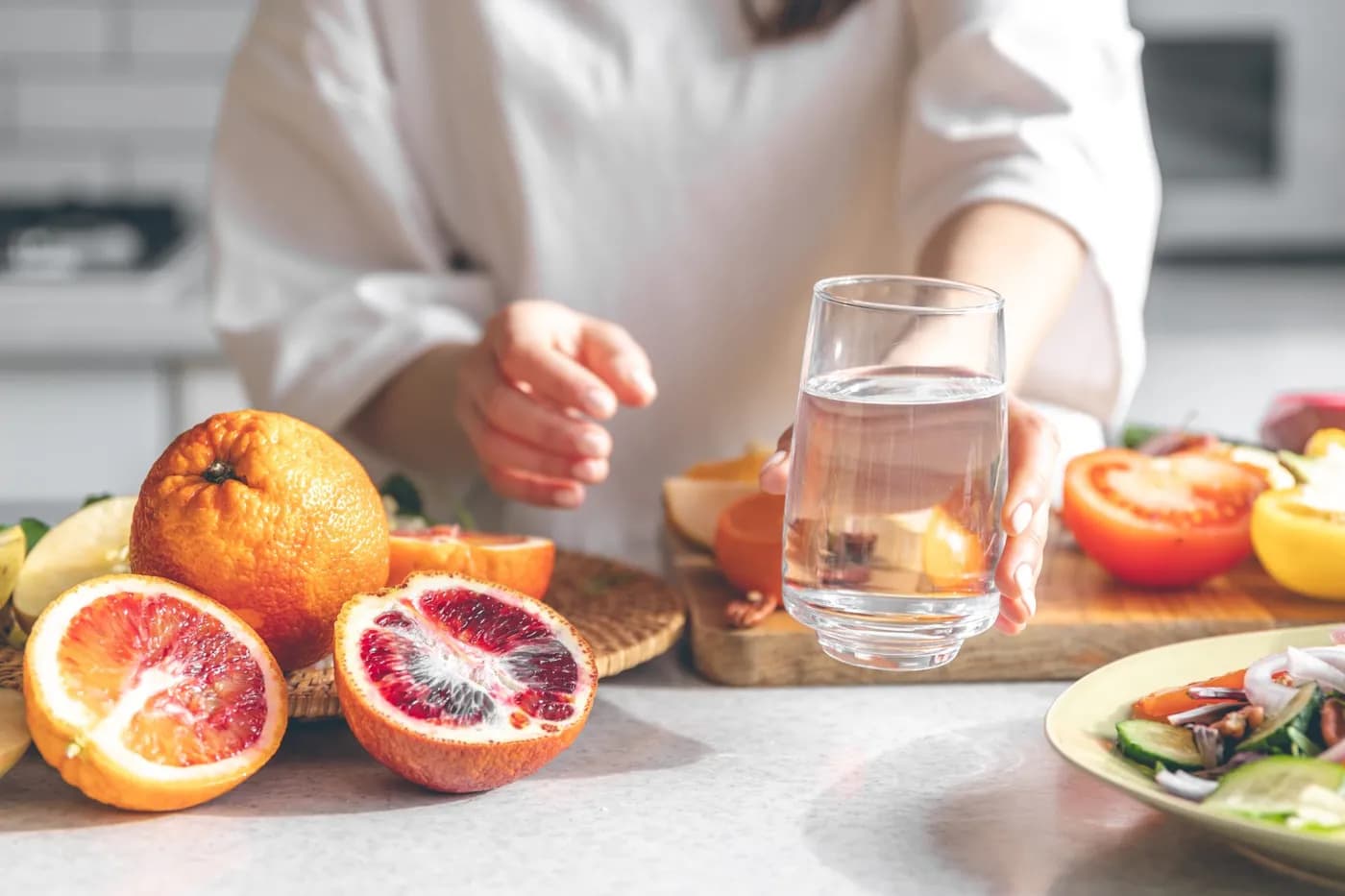
- Sip fluids constantly — plain water, coconut water, or homemade ORS in small, frequent sips rather than large gulps
- Clear soups or vegetable broth — easy on the stomach and replace lost salts
- Rice water or thin khichdi — starchy, bland, and gentle on an irritated gut
- Ripe banana — settles the stomach and replaces lost potassium
- Plain toast or rice — only once you can hold down liquids without vomiting
Avoid solid food entirely for the first few hours if vomiting is frequent — let your stomach rest and focus purely on hydration.
Rebuilding your diet as you recover
Once vomiting has stopped and appetite slowly returns, knowing what to eat after food poisoning at each stage helps you move through recovery in steps rather than jumping straight back to a normal plate:
- Day 1–2: bland, low-fibre foods — plain rice, khichdi, boiled potato, toast, banana, curd (if tolerated)
- Day 2–3: add steamed vegetables, dal (thin consistency), soft paneer, plain roti
- Day 3 onward: gradually reintroduce your normal diet, watching how your gut responds to each new food
This staged approach matters because a damaged gut lining needs time to recover its normal digestive capacity — reintroducing rich or spicy food too fast often triggers a relapse of symptoms. Getting what to eat after food poisoning right in these early days is really about patience, not any special ingredient.
Foods to avoid during recovery
Just as important as what to eat after food poisoning is knowing what to steer clear of while your gut is still healing:
- Fried, oily, or spicy food
- Dairy beyond small amounts of curd, until digestion normalises
- Caffeine, alcohol, and carbonated drinks
- Raw salads, uncooked vegetables, and street food
- Very sugary foods, which can worsen loose motions
Photo: Dolon Prova, CC BY-SA 4.0, via Wikimedia Commons
When food poisoning needs a doctor, not just diet
Most cases resolve in a couple of days with rest, hydration, and a bland diet, and no amount of careful planning around what to eat after food poisoning replaces medical care when symptoms turn serious. See a doctor promptly if you notice:
- Blood in vomit or stool
- High fever (above 101°F) that doesn’t come down
- Signs of severe dehydration — very little urine, dizziness, sunken eyes, extreme thirst
- Symptoms lasting beyond 2–3 days without improvement
- Persistent vomiting that prevents you from keeping fluids down
This guidance is general and not a substitute for medical care — please consult a doctor if symptoms are severe or don’t improve.
If loose motions are your main symptom rather than vomiting, our guide on the best food for loose motion goes deeper into that specific pattern — alongside the homemade ORS recipe mentioned earlier, it covers the fluid and food side of recovery together. And if straining during the illness has aggravated piles, our diet for piles guide covers gentler food choices for that too.
Common Mistakes When Figuring Out What to Eat After Food Poisoning
A few habits can turn recovery into a longer ordeal than necessary, even when someone mostly knows what to eat after food poisoning in theory:
- Rushing back to a normal diet too soon — jumping straight to spicy, oily, or heavy food before the gut lining has recovered, rushing past the staged plan for what to eat after food poisoning, often triggers a relapse of symptoms
- Drinking only plain water — plain water alone doesn’t replace lost electrolytes; alternating with ORS, coconut water, or clear soup matters more than volume alone
- Taking anti-diarrhoeal medication without medical advice — stopping diarrhoea artificially can sometimes trap the infection inside longer; these should only be used if a doctor recommends them
- Skipping rest — the body is fighting an infection and repairing gut lining at the same time, so pushing through normal activity too soon can slow recovery
- Ignoring warning signs because symptoms seem to be improving — improvement doesn’t rule out dehydration or a secondary infection developing later
Who Should Be Extra Cautious
Figuring out what to eat after food poisoning matters for everyone, but a few groups need quicker medical attention rather than home management alone:
- Infants and young children — dehydrate far faster than adults and often can’t communicate symptoms clearly
- Pregnant women — food poisoning can affect both mother and baby, so medical advice is warranted sooner rather than later
- Older adults — more prone to rapid, severe dehydration and slower recovery
- People with diabetes, kidney disease, or a weakened immune system — underlying conditions can make food poisoning more dangerous and recovery less predictable
Frequently Asked Questions
Related Articles

How to Speed Up Metabolism After 40
After 40, metabolism slows mainly from muscle loss, hormonal shifts, and reduced activity — consistent strength training rebuilds lean muscle and.

Cool Down Stretches After Workout | Yoga Recovery Guide
Learn the best cool down stretches after workout to ease soreness and support recovery. Start guided yoga sessions for just ₹1 — first 7 days.
Stretching After Exercise: Benefits, Poses & Mistakes
Stretching after exercise supports recovery, reduces stiffness, and builds lasting flexibility. Discover the best cool-down poses and start your 14-day.