
Whey vs Plant Protein: Which One Should You Choose
Whey and plant protein aren’t about which is ‘better’ overall — it’s about which fits your digestion, diet, and goals. See how they compare on absorption.
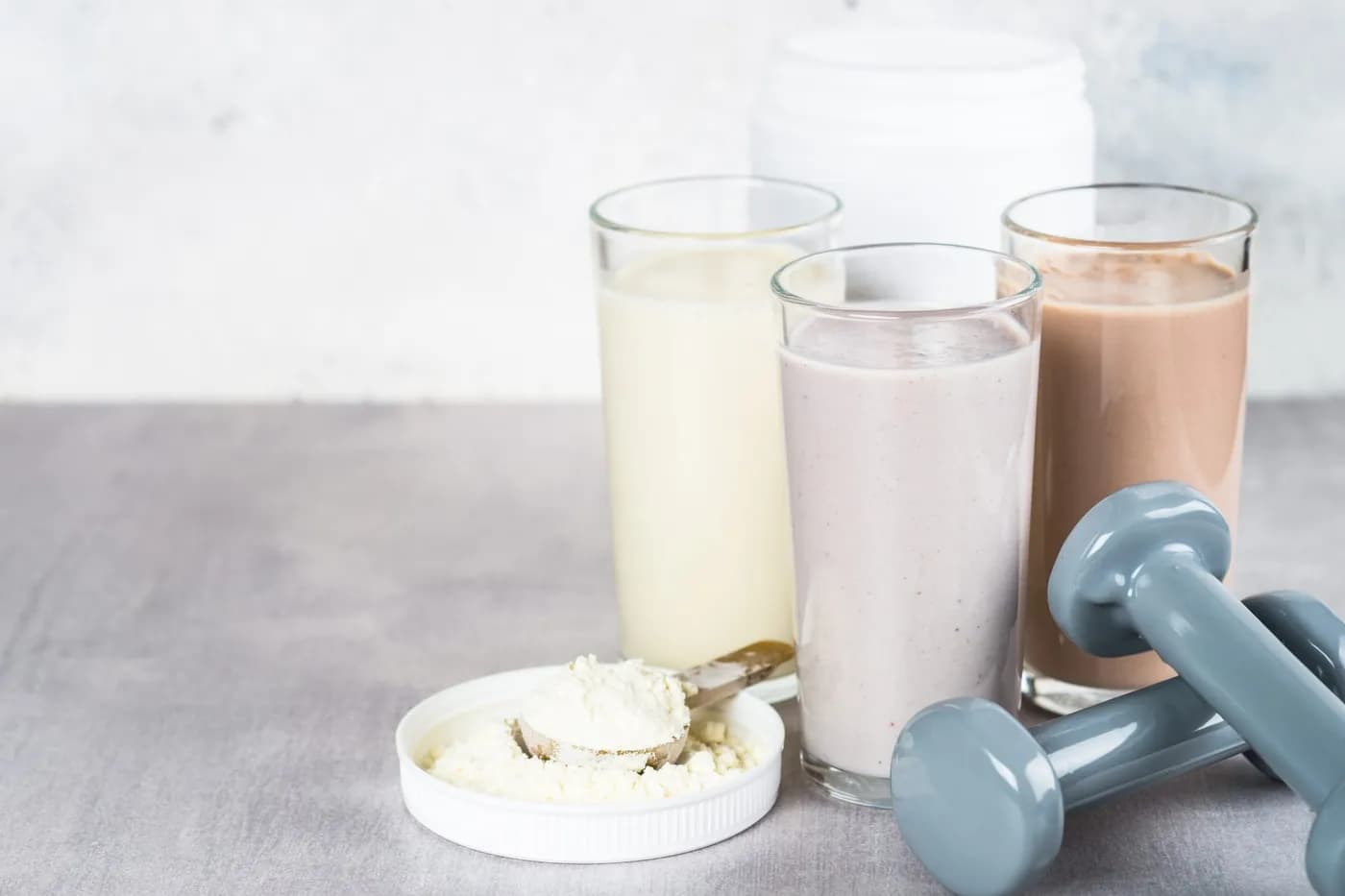
Key Takeaways
- Neither is objectively better – the right pick depends on digestion and dietary choice.
- Whey absorbs fast (20-30 min) and is rich in leucine, ideal right after a workout.
- Plant protein absorbs slower, giving a steadier release of amino acids over time.
- A single plant source rarely matches whey’s amino acid completeness – blends solve this.
- Whey concentrate’s lactose can bloat sensitive people; isolate sits better but costs more.
The whey vs plant protein debate isn’t about which one is “better” overall — it’s about which one fits your digestion, your dietary choices, and your goals. Both can build muscle and support recovery. This guide compares absorption speed, amino acid profile, and gut tolerance so you can choose with confidence.
Whey vs Plant Protein: Quick Comparison
Here’s how whey protein vs plant protein stack up on the factors that actually matter day to day:
| Factor | Whey Protein | Plant Protein |
| --- | --- | --- |
| Source | Milk (a dairy byproduct) | Pea, soy, brown rice, hemp |
| Absorption speed | Fast — peaks in 20-30 minutes | Slower — typically 60-90 minutes |
| Amino acid profile | Complete, high in leucine | Complete only when blended (e.g., pea + rice) |
| Digestive tolerance | Can bloat lactose-sensitive people | Generally gentler, though some feel gassy on soy or pea |
| Suitable for | Dairy-based diets, fast post-workout recovery | Plant-based diets, lactose-intolerant, sensitive stomachs |
| Taste and mixability | Smooth, dissolves easily | Slightly gritty, improving with newer blends |
Neither option is automatically superior — the right pick depends on your body’s response and your dietary preferences. If you’re still undecided, the whey vs plant protein choice usually settles itself once you weigh digestion against convenience.
Absorption Speed and Amino Acid Profile: Whey vs Plant Protein
Whey protein is digested and absorbed quickly because it’s a dairy-derived, fast-digesting protein rich in leucine, the amino acid most responsible for triggering muscle protein synthesis. This is why it’s the go-to choice right after a workout, when your muscles can use amino acids immediately.
Plant proteins absorb more slowly because of their fiber content, but this isn’t a downside — slower absorption means a steadier release of amino acids over a longer window, which can be useful outside workout timing. The catch with plant protein is amino acid completeness: pea protein is low in methionine, and rice protein is low in lysine, so a single plant source rarely matches whey’s full amino acid spread. Good plant protein blends solve this by combining two or more sources, giving you a profile close to whey’s.
Digestive Tolerance: Which Is Gentler on Your Gut
This is often the deciding factor in the whey vs plant protein choice. Whey concentrate contains lactose, which causes bloating, gas, or discomfort in people with lactose intolerance — extremely common among Indian adults. Whey isolate removes most of the lactose and tends to sit better, but it’s pricier.
Plant proteins are naturally lactose-free, making them easier on the gut for most people. That said, soy and pea protein can cause mild gas in those unused to high-fiber intake, so it helps to start with a smaller scoop and build up gradually.
Photo: Em87128712, CC BY-SA 4.0, via Wikimedia Commons
Who Should Choose Whey vs Plant Protein
If you eat dairy, train intensely, and want the fastest post-workout recovery, whey protein is a reliable, well-researched choice. If you’re vegan, lactose-intolerant, or simply prefer a plant-based lifestyle, a quality blended plant protein delivers comparable muscle-building results — studies show similar strength and lean mass gains between the two when total protein and training are matched. Ultimately, whey vs plant protein comes down to consistency: the one you’ll actually take daily, without digestive issues, wins.
If you’re leaning toward the plant-based route, it helps to build your shake around a broader base of high-protein vegetarian foods, and to check that your total intake — shake included — actually lines up with your daily protein requirement rather than guessing at a scoop count.
How Much Should You Take, and When
A single serving of either whey or plant protein is typically 20-30g of protein — roughly one scoop, though this varies by brand, so check the label rather than assume a scoop is a fixed number.
- Post-workout window: Consuming protein within 1-2 hours after training matters more than the exact minute — the old “30-minute anabolic window” is now considered far less strict than once believed, for both whey and plant protein.
- Daily total matters more than timing: Whether you choose whey vs plant protein, hitting your total daily protein target (spread across meals and any shakes) drives results more than precisely when you drink the shake.
- Mixing consistency: Whey mixes easily in water or milk with a shake or spoon; plant protein often blends better than it shakes, so a blender bottle or actual blender reduces the grittiness some people notice.
- How many servings a day: Most people need only 1-2 protein shakes daily on top of whole-food meals — using shakes to replace most meals, regardless of whey vs plant protein, usually means missing out on other nutrients whole food provides.
Cost Per Gram of Protein: Whey vs Plant Protein
Price is often the deciding factor once digestion and taste preferences are sorted out:
- Whey concentrate is usually the most affordable option per gram of protein, since it’s a byproduct of cheese production and widely available.
- Whey isolate costs more due to extra processing that removes lactose and fat, but delivers a purer protein-per-scoop ratio.
- Plant protein blends (pea + rice, for example) often cost 20-40% more than whey concentrate for the same protein content, mainly due to the extra processing needed to combine and flavor multiple plant sources well.
- Bulk buying narrows this gap considerably — larger tubs of either whey or plant protein bring the per-serving cost down substantially compared to smaller packs.
If budget is the main constraint, whey concentrate usually wins; if plant-based eating is non-negotiable, the price gap is shrinking every year as more brands enter the space.
Frequently Asked Questions
Related Articles
Protein rich vegetarian foods: the perfect plate habit
Learn how protein rich vegetarian foods support energy, strength and fullness. Use the perfect plate habit with greens, grains and protein.

Daily protein intake: why your body needs protein every day
Daily protein intake matters because your body uses protein every day for repair, recovery and daily function. Learn simple vegetarian protein habits.

Iron rich foods need protein: 1/4th plate habit
Eating iron rich foods is important, but protein helps your body use iron better. Learn the 1/4th plate protein habit with simple vegetarian foods.