
Zinc Deficiency Symptoms: Signs You Shouldn’t Ignore
Zinc supports immunity, wound healing, taste, and skin repair — and its deficiency symptoms are easy to mistake for everyday tiredness. See the signs.
Key Takeaways
- Zinc is a cofactor for over 300 enzymes, from immune signalling to DNA synthesis.
- Loss of taste or smell is one of the more distinctive signs of deficiency.
- Vegetarians and vegans absorb less zinc due to phytates in plant foods.
- Often driven by poor absorption, not just low intake, even in people eating well.
- Several symptoms together, not just one, are worth checking with a blood test.
Zinc deficiency symptoms can be easy to dismiss because they overlap with everyday tiredness or stress — but they matter, since zinc supports immunity, wound healing, taste, and skin repair. Recognising the signs and symptoms of zinc deficiency early helps you address it through diet or medical guidance before it affects your day-to-day health.
Common zinc deficiency symptoms to watch for
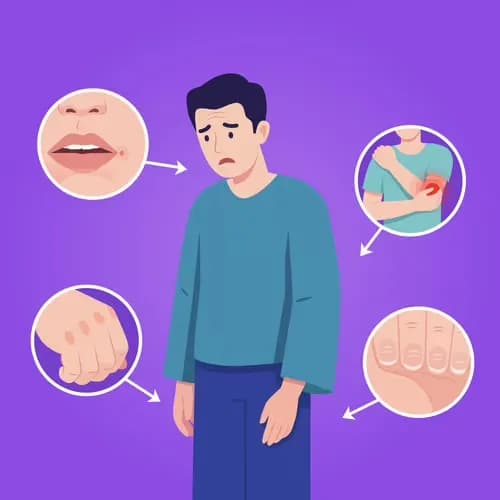
- Frequent infections or colds — zinc plays a direct role in immune cell function
- Slow wound healing — cuts and scrapes take longer than usual to close
- Hair thinning or hair fall — zinc is needed for hair follicle repair
- Loss of taste or smell — one of the more distinctive signs and symptoms of zinc deficiency
- Poor appetite — often an early, easy-to-miss symptom
- Brittle nails with white spots — a commonly cited but less reliable sign on its own
- Skin issues — rashes, dryness, or slow-healing acne
- Diarrhoea — particularly in children, where it can also worsen nutrient absorption
- Delayed growth in children — zinc is essential during periods of rapid growth
Why these symptoms happen
Zinc is a cofactor for over 300 enzymes in the body, involved in everything from DNA synthesis to immune signalling. When intake falls short, the body prioritises critical functions first, which is why visible symptoms like hair and skin changes often show up before more serious internal effects. Mild deficiency may only cause vague fatigue or reduced immunity, while more pronounced zinc deficiency symptoms bring the fuller list described above.
Who’s most at risk of zinc deficiency
- Vegetarians and vegans — plant foods contain phytates that reduce zinc absorption
- Pregnant and breastfeeding women — zinc needs rise significantly during this time
- People with digestive conditions — such as Crohn’s disease or coeliac disease, which impair absorption
- Older adults — absorption efficiency tends to decline with age
- Heavy alcohol consumers — alcohol interferes with zinc absorption and increases excretion
- People on certain long-term medications — including some diuretics and antacids
If you fall into one of these groups, it’s worth paying closer attention to early zinc deficiency symptoms rather than waiting for them to become more obvious.
Photo: Vicki Nunn, Public Domain, via Wikimedia Commons
What causes zinc deficiency in the first place
Beyond low dietary intake, zinc deficiency is usually driven by poor absorption rather than simply not eating enough zinc-containing food. Chronic diarrhoea, gut surgeries, high-phytate diets without adequate soaking or fermenting of grains and legumes, and certain chronic illnesses can all reduce how much zinc the body actually retains, even when intake looks adequate on paper — which is one reason zinc deficiency symptoms can appear even in people who eat reasonably well.
What to do about zinc deficiency symptoms
If you’re seeing several of these zinc deficiency symptoms together — not just one in isolation — it’s worth getting a blood test rather than self-diagnosing, since many of these signs overlap with other nutrient gaps like iron or B12 deficiency. From there, most mild cases can be corrected through diet; our zinc rich foods guide covers the best dietary sources, including vegetarian and vegan options. For confirmed or more significant deficiency, a doctor may recommend a supplement — see our zinc supplement benefits article for when that’s appropriate.
How Long It Takes for Zinc Deficiency Symptoms to Improve
Once you start correcting a deficiency, zinc deficiency symptoms don’t reverse overnight. Skin and taste-related changes are often the first to improve, usually within 2-4 weeks of consistently eating zinc-rich foods or taking a supplement as advised. Hair thinning takes longer to visibly reverse — often 8-12 weeks — because hair growth cycles are naturally slow, so don’t judge progress on hair alone in the first month. Immune-related zinc deficiency symptoms, like frequent infections, typically take a few weeks of steady intake before you notice fewer colds or faster recovery. If you see no improvement in any zinc deficiency symptoms after 8 weeks of consistent correction, it’s worth going back to your doctor — the underlying cause, such as poor absorption or an undiagnosed digestive condition, may need addressing directly rather than just adding more zinc.
Zinc Deficiency Symptoms: Myths vs Facts
Myth: White spots on nails always mean zinc deficiency. Fact: this is one of the most commonly cited signs, but white nail spots are far more often caused by minor nail injury than by zinc status — it’s an unreliable marker on its own.
Myth: Only vegetarians and vegans get zinc deficiency. Fact: while plant-based eaters are at higher risk, people with digestive conditions, older adults, and heavy alcohol consumers can develop zinc deficiency symptoms regardless of diet.
Myth: A multivitamin covers your zinc needs. Fact: many multivitamins contain only a small fraction of the daily zinc requirement, so relying on one alone may not be enough to prevent or reverse these zinc deficiency symptoms if your diet is already low in zinc.
Frequently Asked Questions
Related Articles

Healthy fats: why your body needs fat
Healthy fats help your body absorb vitamins and support brain, hormones, joints, cells and daily meals. Learn simple vegetarian sources and habits.

Good fats vs bad fats: choose fats wisely
Understand good fats vs bad fats in simple words. Learn which vegetarian fats to choose, what to reduce and how to read food labels better.
