
Zinc Rich Foods: The Best Vegetarian and Vegan Sources
Your body can’t store zinc for long, so it needs a steady daily supply from food. See the best vegetarian and vegan sources — no meat or seafood required.
Key Takeaways
- Pumpkin seeds, chickpeas, cashews, and oats fully cover vegetarian zinc needs.
- Phytates in plant foods bind zinc, reducing how efficiently it’s absorbed.
- Soaking, sprouting, and fermenting legumes and grains improves zinc absorption.
- Vegans typically need about 1.5 times the standard zinc intake to compensate.
- Spinach isn’t actually a strong zinc source – seeds, legumes, and nuts are better bets.
Zinc rich foods matter because your body can’t store zinc for long, so you need a steady daily supply from your diet to support immunity, wound healing, and metabolism. The good news for vegetarian and vegan eaters is that pumpkin seeds, chickpeas, cashews, oats, and a handful of other everyday plant foods cover this need completely — no meat or seafood required.
Zinc rich foods at a glance
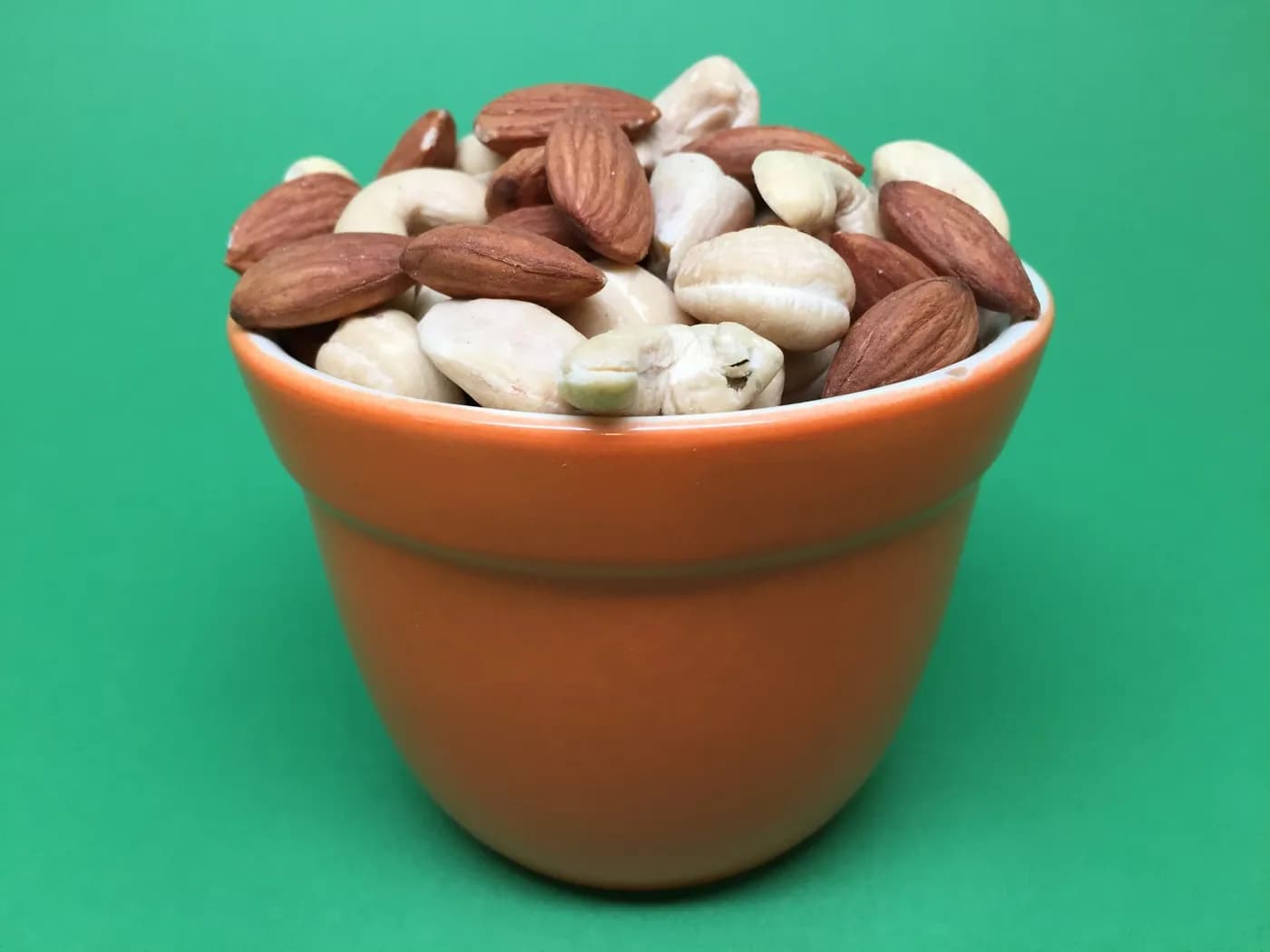
- Pumpkin seeds — ~2.2mg zinc per 28g, one of the best plant sources
- Chickpeas and lentils — ~1.3mg per cooked cup, a daily staple in most Indian kitchens
- Cashews and almonds — ~1.6mg per 28g of cashews
- Sesame seeds (til) — ~1.4mg per 2 tbsp, easy to add to chutneys or laddoos
- Paneer and milk — moderate zinc plus easily absorbed protein
- Oats — ~2.3mg per cooked cup
- Mushrooms — a good source among vegetables
- Peanuts and peanut butter — an easy, affordable everyday addition
Why plant-based zinc needs a little strategy of its own
Plant foods like legumes, grains, and seeds contain phytates — compounds that bind zinc and reduce how much the body absorbs. This is why vegetarians and vegans, who get most of their zinc from these sources, benefit from a few simple prep habits and from eating slightly more zinc rich foods overall than the standard requirement suggests.
Zinc foods for vegans: making plant sources work harder
If you eat only plant foods, a few kitchen habits go a long way:
- Soak and sprout legumes, grains, and seeds before cooking — this breaks down phytates and improves zinc absorption significantly
- Ferment where possible — idli and dosa batter fermentation, for instance, naturally reduces phytate content
- Combine with vitamin C — a squeeze of lemon over a dal or chana salad can aid mineral uptake
- Roast nuts and seeds lightly before eating, which also helps reduce anti-nutrients
- Rely on a mix rather than one food — pumpkin seeds, chickpeas, oats, and cashews together cover more ground than any single source
Vegans typically need about 1.5 times the standard zinc intake compared to non-vegetarians, precisely because plant-based sources are less bioavailable — which is exactly why the soaking, sprouting, and pairing habits above matter so much when building a plate of zinc rich foods.
Photo: Breville USA, CC BY 2.0, via Openverse (Flickr)
How much zinc you actually need
Adult men need about 11mg of zinc a day, and adult women need about 8mg, with slightly higher needs during pregnancy and breastfeeding. A varied plate of zinc rich foods that includes seeds, legumes, nuts, and dairy across the day usually gets most vegetarians close to this without any special effort.
Common mistakes with zinc rich foods
- Assuming spinach or other greens are strong zinc sources — they’re not; seeds, legumes, and nuts are far better bets among plant foods.
- Eating raw legumes without soaking — this leaves phytates intact and lowers how much zinc you actually absorb.
- Relying on one food group — a handful of pumpkin seeds daily is great, but variety matters more than any single “superfood.”
Getting the food side right is only useful if you actually know what a shortfall looks like — our zinc deficiency symptoms guide covers the early signs, and if a blood test confirms a real gap, our zinc supplement benefits article walks through when a supplement actually makes sense. Zinc absorption issues often overlap with other mineral gaps too, so it’s worth checking your magnesium rich foods intake at the same time.
A Sample Day of Zinc Rich Foods on an Indian Plate
Seeing zinc rich foods laid out across a full day makes the target feel less abstract than a nutrient chart. A typical day might include a tablespoon of roasted pumpkin seeds with breakfast poha, a bowl of chana or rajma at lunch, a handful of cashews as a mid-afternoon snack, and a bowl of oats or a paneer-based dinner — together, this kind of day comfortably supplies 8-10mg of zinc, close to or above the daily requirement for most adults without any single “superfood” doing all the work. Spreading zinc rich foods across three or four eating occasions, rather than trying to load up at one meal, also makes it easier for your body to actually absorb and use the zinc, since large single doses aren’t absorbed proportionally better.
Zinc Rich Foods for Specific Life Stages
Zinc needs aren’t identical for everyone, so knowing who should prioritize zinc rich foods more than others matters:
- Teenagers and growing children — rapid growth increases zinc demand, and pumpkin seeds, milk, and paneer are easy additions to school-age diets
- Pregnant women — requirements rise to about 11-12mg/day, making a daily mix of legumes, seeds, and dairy especially important
- Athletes and heavy sweaters — zinc is lost through sweat, so active people may need slightly more zinc rich foods than sedentary adults
- Older adults — absorption naturally declines with age, so relying on a variety of zinc rich foods rather than one or two becomes more important over time
Frequently Asked Questions
Related Articles
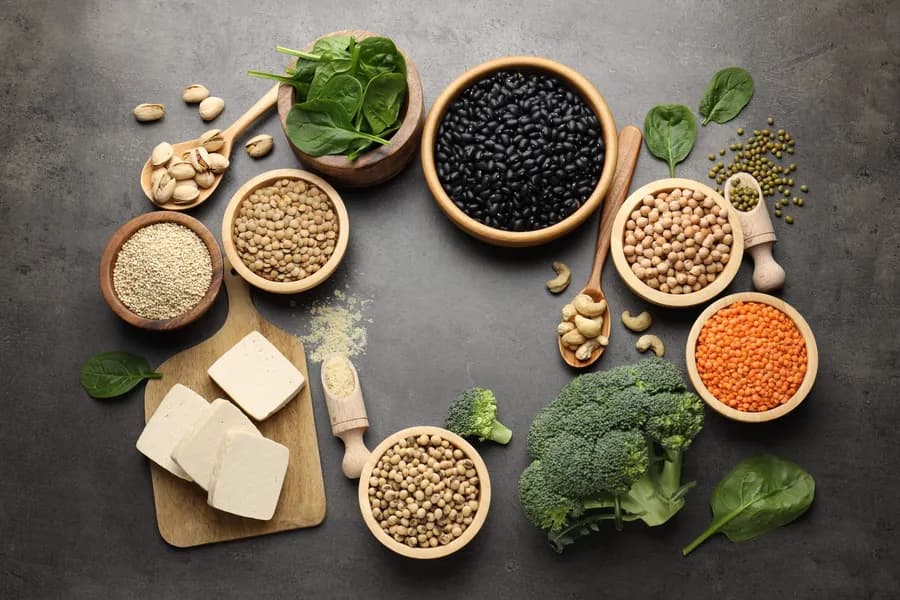
Protein rich vegetarian foods: the perfect plate habit
Learn how protein rich vegetarian foods support energy, strength and fullness. Use the perfect plate habit with greens, grains and protein.

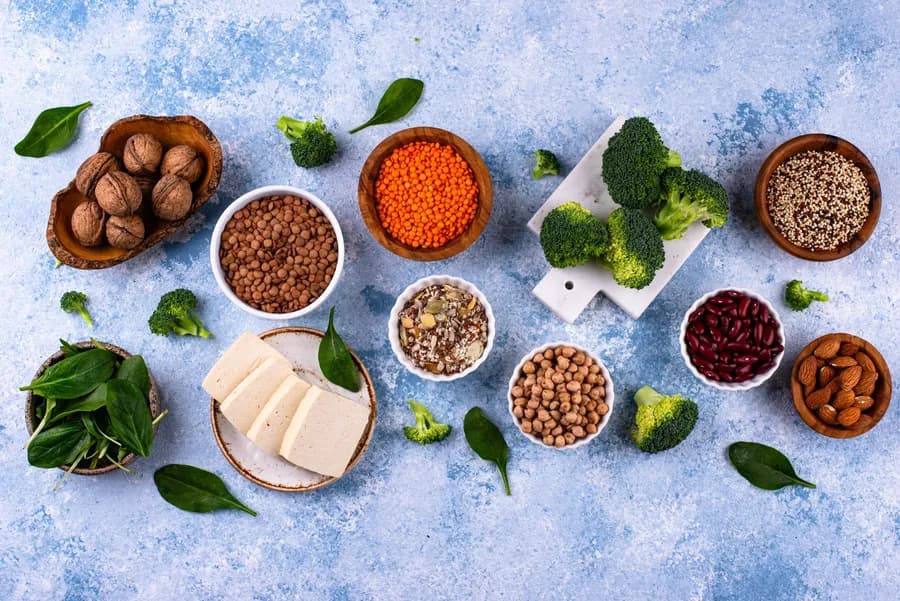
Iron rich foods need protein: 1/4th plate habit
Eating iron rich foods is important, but protein helps your body use iron better. Learn the 1/4th plate protein habit with simple vegetarian foods.
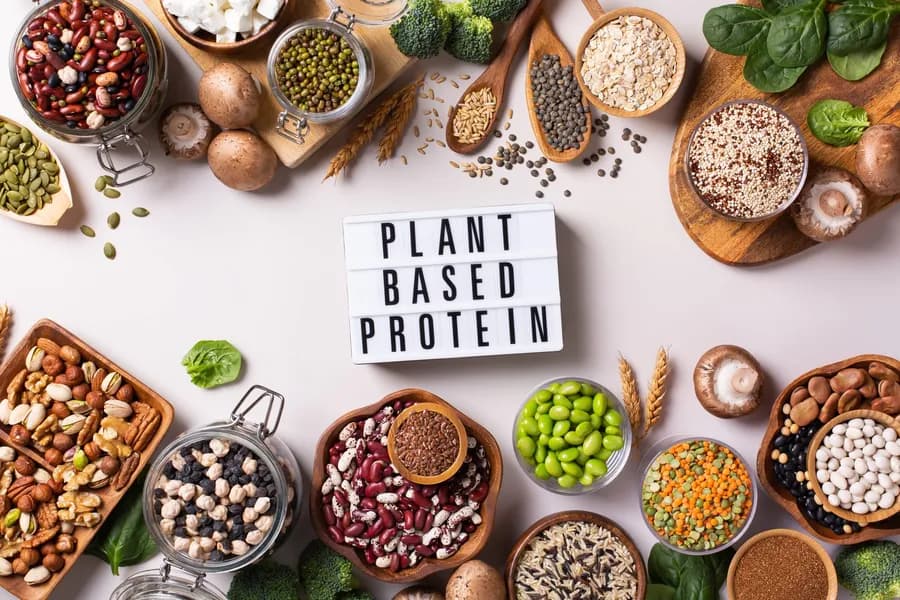
Protein-rich vegetarian foods: 1/4th plate habit
Explore protein, carbohydrates, healthy fats and meal planning for strength training, muscle building and recovery.
