Best Sleeping Position for Your Health: Back, Side or Stomach?
The best sleeping position isn't the same for everyone — it depends on what you're optimising for, from spinal alignment to acid reflux. See how back, side and stomach sleeping actually compare.
Key Takeaways
- States sleeping position usually forms early in life and stays remarkably consistent afterward.
- States back sleeping distributes weight evenly but can worsen snoring and sleep apnea.
- Names stomach sleeping as generally the least favourable since it rotates the neck for hours.
- Recommends back sleepers use a pillow under the knees to maintain lower back curvature.
- Recommends stomach sleepers use a very thin pillow, or none, plus one under the pelvis.
- States research on sleeping position generally targets specific outcomes, not one universal ranking.
The best sleeping position isn’t identical for everyone — it depends on what you’re optimising for, whether that’s spinal alignment, digestion, breathing, or an existing condition like acid reflux or back pain, and each of the three major sleeping positions has real trade-offs. Working out your own best sleeping position starts with being honest about which of these outcomes matters most to you right now.
How your natural sleeping position develops in the first place
Most people don’t consciously choose their sleeping position — it forms early in life and tends to stay remarkably consistent, shifting mainly in response to a specific trigger like pregnancy, injury, or a new health condition rather than changing spontaneously. Some researchers link position preference loosely to personality traits, though the evidence for this is more anecdotal than rigorous. What’s better established is that position preference is heavily influenced by comfort feedback loops built over years — whatever position let you fall asleep fastest as a child or young adult tends to become the default your body reaches for automatically, which is part of why deliberately switching as an adult takes real, sustained effort rather than a single decision.
Side sleeping as one of the best sleeping position options
Comparing the three major sleeping positions
- Back sleeping — generally considered the best sleeping position for spinal alignment, since it distributes weight evenly without twisting the spine; downsides include worsening snoring and sleep apnea for people prone to either
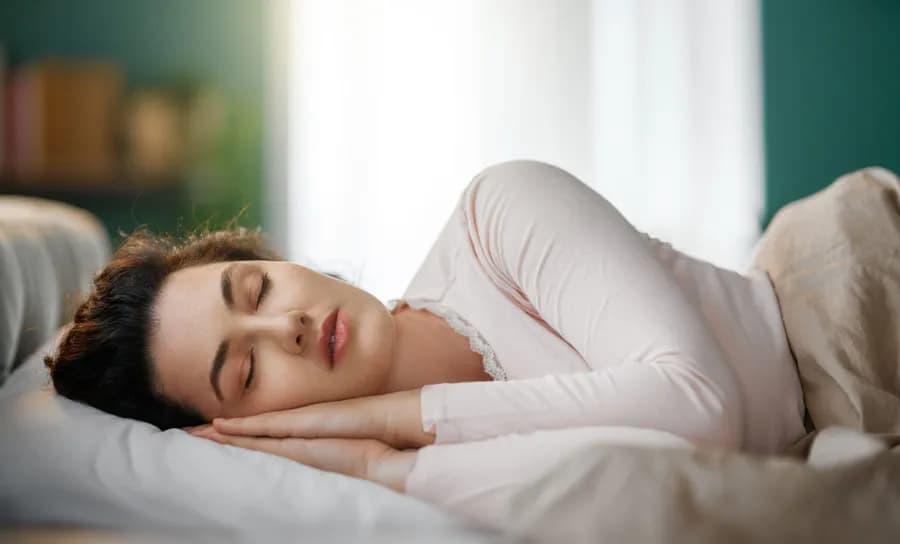
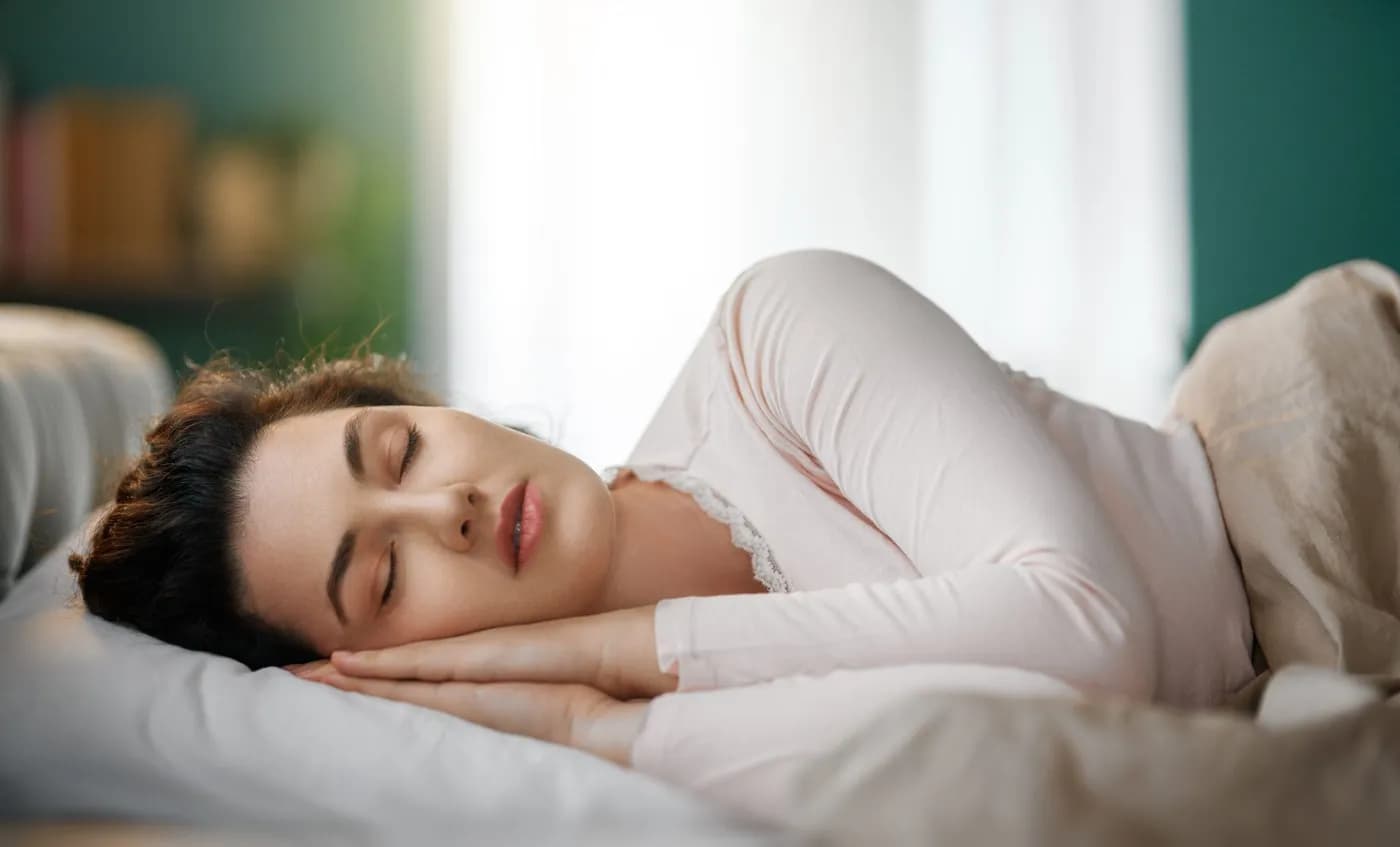
- Side sleeping — good for reducing snoring and acid reflux, and often recommended during pregnancy; can create shoulder or hip pressure without a supportive enough mattress
- Stomach sleeping — generally considered the least favourable of the three sleeping positions, since it forces the neck into rotation for hours and flattens the natural spinal curve, though it can ease snoring for some people
What correct sleeping posture looks like for each best sleeping position
Correct sleeping posture is less about which position you pick and more about supporting your spine’s natural curve within it. Back sleepers benefit from a pillow under the knees to maintain lower back curvature. Side sleepers should keep a pillow between the knees to keep hips aligned, and a pillow thick enough to keep the neck level with the spine, not tilted up or down. Stomach sleepers — if they can’t switch — do best with a very thin pillow or none at all, to reduce neck strain, plus a pillow under the pelvis to reduce lower back arching.
What sleep studies actually show about the best sleeping position
Research comparing sleeping positions has generally focused on specific outcomes rather than an overall “best position for everyone” ranking. Studies on acid reflux consistently favour left-side sleeping. Research on sleep apnea and snoring generally favours side sleeping over back sleeping, since back sleeping allows the tongue and soft tissues to fall backward and obstruct the airway more easily. Spinal alignment research tends to favour back sleeping with knee support, provided there’s no apnea risk. There isn’t a single study that crowns one best sleeping position across every possible health outcome simultaneously, which is exactly why the right answer depends on which specific benefit matters most to you.
How to find your best sleeping position if you’re switching
Changing a lifelong sleeping position is genuinely difficult and rarely succeeds through willpower alone. Using a body pillow to physically block the position you’re trying to avoid (for instance, hugging one to stay off your stomach) works better than just intending to switch. Give any change several weeks — your body needs time to adjust, and the first few nights in a new position often feel worse, not better. If back pain is what’s driving you to change, lower back pain sleeping positions covers more specific adjustments for that particular problem.
Choosing a mattress and pillow that support your best sleeping position
The right mattress firmness genuinely differs by sleeping position. Side sleepers generally do best on a medium-soft to medium mattress that lets shoulders and hips sink in slightly, relieving pressure points. Back sleepers usually need a medium-firm surface that supports the spine’s natural curve without letting the hips sink too deep. Stomach sleepers benefit most from a firmer mattress that prevents the midsection from sinking and forcing the lower back into an exaggerated arch. Pillow choice follows a similar logic — a taller, firmer pillow for side sleeping to fill the larger shoulder-to-neck gap, a medium pillow for back sleeping, and a thin, soft pillow (or none) for stomach sleeping.
When your best sleeping position depends on a health condition
Pregnancy, acid reflux, sleep apnea, and chronic back pain each shift what counts as the best sleeping position for that specific situation, sometimes overriding what would otherwise be your natural preference. It’s worth treating your best sleeping position as condition-specific rather than universal once any of these apply to you.
Frequently Asked Questions
Related Articles
How to Get Deep Sleep: 7 Proven Ways to Improve and Lengthen Deep Sleep
Deep, slow-wave sleep is when the body physically repairs and the brain clears waste — the single most important phase for health and recovery. See 7 proven ways to improve and lengthen it.