
How to Get Deep Sleep: 7 Proven Ways to Improve and Lengthen Deep Sleep
Deep, slow-wave sleep is when the body physically repairs and the brain clears waste — the single most important phase for health and recovery. See 7 proven ways to improve and lengthen it.


Key Takeaways
- Most adults spend 13-23% of nightly sleep in deep sleep, with 20-25% being optimal.
- The majority of nightly growth hormone secretion occurs specifically during slow-wave sleep.
- The brain’s glymphatic waste-clearing system is most active specifically during deep sleep.
- Cortisol, growth hormone, leptin, and ghrelin all reset together during this sleep phase.
- Recommends a bedroom below 20°C and zero screens for 60+ minutes before bed.
- Deep sleep percentage responds and increases within 2-4 weeks of consistent evening habits.
Content Note on this guide: This guide focuses specifically on deep (slow-wave) sleep, the phase the body uses for physical repair and brain waste clearance. For broader sleep-hygiene tips covering total sleep quality, see our how to sleep better at night guide. The two pages cover complementary sub-topics; pair them for the full sleep-improvement picture.
Deep sleep, the slow-wave phase of sleep when the body physically repairs and the brain clears waste, is the single most important phase for health, recovery, and longevity. Per the Sleep Foundation’s review of sleep stages, most adults spend 13–23% of their nightly sleep in deep sleep, with 20–25% being the optimal range for most ages. The good news: deep sleep is highly responsive to a few specific evening habits and daytime choices..
This guide explains how to get deep sleep, how to improve deep sleep quality, how to go into deep sleep faster, and how to get better deep sleep through consistent practice.
Benefits of Getting More Deep Sleep
- Stronger Physical Recovery and Muscle Repair Deep sleep is when growth hormone peaks and the body actively repairs muscle, bone, and tissue. Per research summarised by the National Institutes of Health, the majority of nightly growth hormone secretion occurs during slow-wave sleep which is why athletes and trainers prioritise it.
- Sharper Memory and Brain “Clearing” The brain’s glymphatic system and its waste-clearing mechanism is most active during deep sleep. Inadequate deep sleep is linked to brain fog, slower learning, and over time, higher dementia risk.
- Stronger Immune Function The immune system consolidates during deep sleep. People who consistently get adequate deep sleep catch fewer colds and recover faster when they do.
- Better Hormonal Balance Cortisol, growth hormone, leptin, and ghrelin all reset during deep sleep. Poor deep sleep disrupts appetite, mood, and metabolism for the entire next day.
- Lower Risk of Long-Term Disease Long-term deep sleep quality is linked to lower rates of heart disease, type 2 diabetes, and cognitive decline. The benefit compounds over decades.
How to Get Started with Deeper Sleep
What You Need to Begin
A consistent bedtime, a quiet and cool bedroom (below 20°C ideally), no screens for 60+ minutes before sleep, and a willingness to commit for 3–4 weeks. No equipment required.
Setting Realistic Goals
Don’t aim for perfect deep sleep on night one. Aim for consistency in habits: the same bedtime, a cool dark room, and an evening wind-down. The body responds with increased deep sleep percentage over 2–4 weeks.
Start with the Basics
Same bedtime nightly, no caffeine after 2 PM, no alcohol within 3 hours of bed, a cool dark room, and an evening breath or yoga practice. These five changes alone increase the deep sleep percentage in most people. Our yoga for sleep guide covers complementary calming practices.
Best Practices to Increase Deep Sleep
Strength Training in the Late Afternoon
Resistance training, especially in the late afternoon, increases deep sleep percentage measurably. Three sessions per week is the sweet spot.
4-7-8 Breathing Before Bed
Inhale 4 counts, hold 7, exhale 8. Three rounds before sleep slows heart rate and signals the nervous system to enter deeper sleep stages.
Cool Bedroom (18–20°C)
Body temperature drops naturally during deep sleep. A cool room supports the drop; a warm room blocks it. Single biggest environmental factor.
Yoga Nidra (20 Minutes Before Bed)
A guided body scan practice that produces brain activity similar to deep sleep itself. 20 minutes of yoga nidra equals roughly an hour of light sleep in nervous-system recovery.
Morning Sunlight Within 30 Minutes of Waking
Sets the body’s circadian rhythm, which directly determines deep sleep that night. A 10-minute morning walk in natural light is the single most underrated intervention.
Consistent Sleep and Wake Times
The body’s deep sleep architecture depends on rhythm. Random bedtimes destroy deep sleep even when total hours are adequate.
Evening Magnesium-Rich Foods
Pumpkin seeds, leafy greens, and dark chocolate support muscle relaxation and deep sleep. Pair with our sleeping yoga asanas guide for evening sequencing.
Common Mistakes That Block Deep Sleep
- Late Caffeine Caffeine has a 6–8 hour half-life. Even 4 PM coffee meaningfully reduces deep sleep that night, even if you fall asleep fine.
- Late Alcohol Alcohol speeds sleep onset but specifically destroys deep sleep, the phase you most need. The most damaging substance for sleep quality.
- Heavy Late Dinners Digestion competes with deep sleep. Eat 3 hours before bed, lighter meals at night.
- Inconsistent Schedule Different bedtimes on weekdays vs weekends (“social jet lag”) devastates deep sleep architecture. Within a week of consistent timing, deep sleep percentage rises measurably.
Who Should Focus on Deep Sleep?
- Working Professionals with Mental Demands Deep sleep is when the brain consolidates learning and clears waste. Knowledge workers benefit disproportionately from optimising it.
- Athletes and Active Adults Physical recovery happens almost entirely in deep sleep. Athletes who improve deep sleep recover faster and perform better.
- Older Adults Deep sleep declines naturally with age. The practices in this guide partly offset that decline. Always consult a doctor if sleep changes are sudden or severe.
- Anyone Feeling Unrested Despite Adequate Hours The most common pattern: 8 hours of sleep but waking tired. The likely cause is poor deep sleep quality, exactly what these practices address.
Build a Deep-Sleep Routine with Habuild
Better deep sleep isn’t built in one night it’s built through daily habits that shift the nervous system over weeks. With expert guidance and structured evening practice, you can transform sleep quality from home.
What you get with Habuild’s daily program:
- Daily live guided yoga and breath sessions
- Evening calming routines and yoga nidra specifically for deep sleep preparation
- Expert instructors for safe, effective practice
- Community accountability to keep daily practice going
Related reads: How to Sleep Better at Night: 8 Proven Habits for Deeper, More Restful Sleep · Meditation for Sleep: A Natural Solution for Insomnia
Deep sleep depends heavily on how relaxed your nervous system is at the moment you lie down, which is exactly what a wind-down yoga practice is built to support. Slow, restorative poses in the evening lower heart rate and quiet mental chatter, easing the transition into the slow-wave sleep your body needs for repair. If evenings tend to feel wired rather than winding down, Habuild’s free yoga challenge can help you build a calmer pre-sleep routine.
Frequently Asked Questions
Related Articles

10 Minute Meditation: A Quick Daily Reset
A 10 minute meditation is long enough to settle into real calm and short enough to actually do daily. Find your own quick daily reset with Habuild's guided sessions.
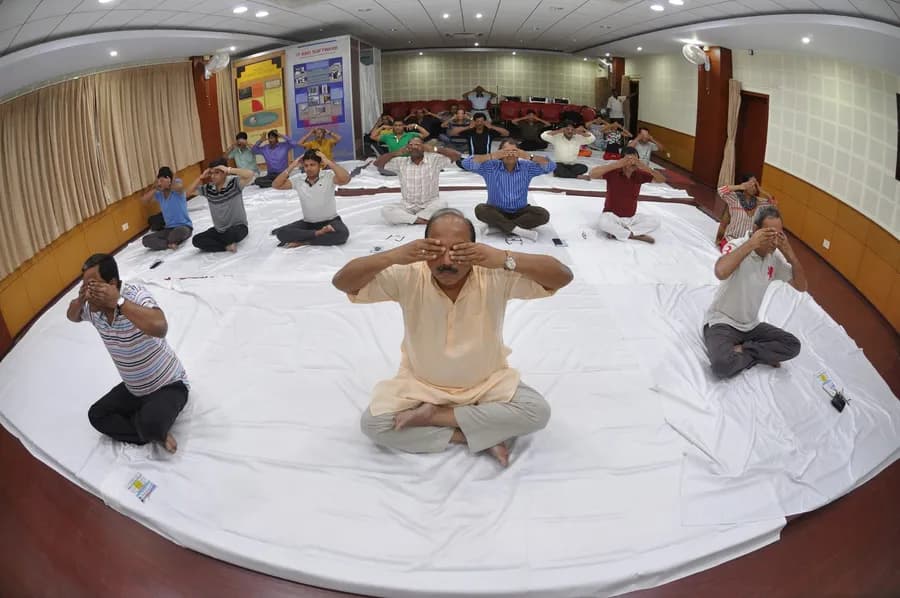
Bhramari Pranayama: Steps, Benefits and Precautions
Bhramari pranayama, the humming bee breath, brings the head still and quiet within seconds. Learn the correct hand position, steps, and precautions with Habuild's guided practice.

Benefits of Meditation: A Simple, Honest Guide
What meditation can really do for your mind and body — and what it can't. Start noticing the shifts for yourself with Habuild's daily guided meditation practice.