
Black Fungus Precautions: Know the Risk and Act Early
Clear precautions and warning signs for people at higher risk of mucormycosis.


Key Takeaways
- Black fungus (mucormycosis) mainly affects people at higher risk.
- Good diabetes control and correct steroid use reduce risk.
- People at risk should avoid heavy dust and soil exposure.
- At-risk people with facial or eye swelling or vision change need urgent care.
“Black fungus” is the common name often used for mucormycosis, a serious fungal infection. It is not something most healthy people develop after ordinary contact with dust. It mainly affects people with certain illnesses or weakened immune defences. The useful response is to understand who is at risk, reduce avoidable exposure and recognise symptoms that need urgent attention, rather than look for a protective food or home remedy.
What is mucormycosis?
The infection is caused by a group of moulds found in the environment. People encounter these moulds without usually becoming ill. Infection can begin when spores are inhaled or enter through damaged skin; the sinuses, eyes, lungs and skin are among the areas that may be affected.
Mucormycosis does not spread from one person to another through ordinary contact. A family member with the condition does not need to be treated as a source of contagion.
The popular name can also mislead. You do not need to see a black patch before the infection becomes important. Early symptoms may be less obvious, so waiting for the name's most dramatic feature can delay care.
Who needs particular attention?
Risk is higher with poorly controlled diabetes, especially diabetic ketoacidosis, and in people whose immunity is reduced by cancer treatment, transplantation or certain medicines. Prolonged corticosteroid use is another relevant factor.
For someone in one of these groups, precautions belong within the existing treatment plan. For a healthy reader without these risks, the same list should not become a reason to fear every garden or construction site.
If you are helping a relative after a serious illness, start with their actual discharge plan and current condition. Their risk cannot be judged from a forwarded message that describes every patient in the same way.
Keep diabetes care practical
For a person with diabetes, maintaining the agreed glucose-management plan matters. Keep prescribed medicine available, monitor as advised and seek help when readings are persistently outside the range given by the care team.
Illness can change food intake and glucose readings. If someone is vomiting, becoming very drowsy or cannot keep fluids down, do not rely on diet changes alone. Follow their sick-day instructions and seek urgent help when indicated.
A bitter juice or an “immunity” powder cannot provide the protection of appropriate treatment. Nor should a person stop eating adequately because they think all carbohydrate feeds the fungus. The priority is managing the illness and avoiding uncontrolled glucose, not imposing a frightening food ban.
Use steroids only for the reason prescribed
Corticosteroids can be important, sometimes lifesaving treatments. The problem is unnecessary use, unsuitable doses or continuing them without the intended review.
Do not start leftover steroid tablets for a cough, fever or a message claiming they prevent complications. At the same time, do not abruptly stop a prescribed steroid course because you have read about fungal risk; some courses require a planned reduction.
If the instructions are unclear, ask the prescribing service about the current dose and duration. This is a specific medication question, not a request for a general wellness consultation. Keeping a written medicine schedule can help relatives avoid accidental extra doses.
Reduce heavy dust and soil exposure when at risk
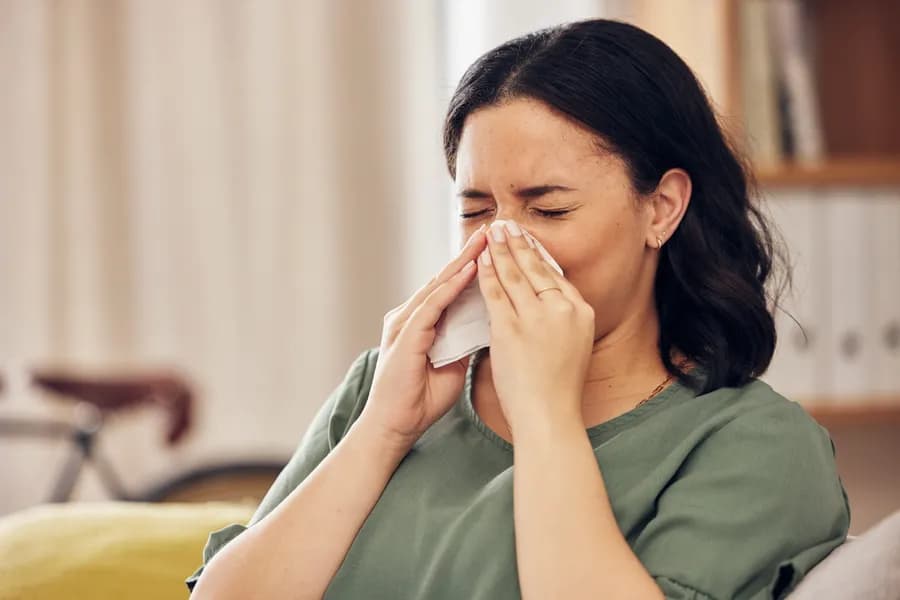
For people at high risk, CDC advice includes avoiding construction and excavation areas and activities that involve close contact with soil or manure where possible. If dusty exposure cannot be avoided, a well-fitting N95 respirator may help reduce inhaled particles.
Turn that into a household arrangement: another person can handle potting soil, compost or a dusty renovation task while the vulnerable person recovers. Protective clothing and gloves are useful where skin could be injured.
These steps reduce avoidable exposure; they cannot guarantee prevention. The aim is a manageable environment, not an impossible attempt to make a home completely free from mould spores.
Keep wounds and the home environment in mind
Clean cuts with soap and water and protect them appropriately, particularly after soil exposure. A wound that becomes increasingly painful, swollen, discoloured or rapidly worse needs assessment.
Address obvious dampness or water damage, and keep living areas clean and reasonably dry. A person with reduced immunity should not be the one disturbing mouldy material during a major clean-up.
Ordinary hygiene supports care, but repeated harsh fumigation and inhaling disinfectants are not home prevention methods. Do not put oils, cleaning chemicals or herbal mixtures into the nose in an attempt to kill spores.
Symptoms that need prompt action
In a high-risk person, new one-sided facial swelling or pain, worsening sinus symptoms, severe headache, eye swelling or a change in vision needs urgent medical assessment. A dark patch inside the mouth or on the nose is also concerning.
Lung infection can cause fever, cough, chest pain and breathlessness. These symptoms have many possible causes, but should not be dismissed in someone whose defences are reduced.
If vision changes, severe facial symptoms, breathing difficulty or confusion develops, seek emergency care. Tell the receiving service about diabetes, recent major illness and medicines that affect immunity. Do not wait for a routine appointment or for a photograph to match an online example.
What treatment involves
Mucormycosis requires urgent specialist treatment with antifungal medicines, and sometimes surgery to remove affected tissue. Tests may include examination and samples from the affected area. It cannot be diagnosed reliably from symptoms alone.
Home steam, nasal herbs and antifungal creams are not substitutes for this treatment. Preventive antifungal medicines are appropriate only for selected patients under specialist care, not for everyone worried about dust.
For a household, the most useful plan is concrete: know the person's risks, keep medicine instructions clear and know where to go if concerning symptoms appear. Early action can matter more than a long list of products promising protection.
Editorial sources
Frequently Asked Questions
Related Articles
How to Control Diabetes: Exercise, Yoga and Natural Methods
Exercise improves insulin sensitivity, yoga reduces cortisol, and together they address insulin resistance, hepatic glucose production, and inflammation

Neti Pot for Sinus: Pressure, Infection & Headache Relief
Warm saline water gently flushes the nasal passages in under 2 minutes per side, dislodging mucus, allergens, and bacteria without the rebound effect of decongestants. See the full guide.

How to Improve Immunity Naturally: 10 Science-Backed Ways That Work
There’s no single pill, superfood, or shortcut — immunity builds slowly through consistent sleep, movement, nutrition, and stress management working.
