
Best Dandruff Treatment at Home: Shampoo, Scalp Care and Warning Signs
Most dandruff responds to the right medicated shampoo used properly. Here is how to choose one, use it well and spot signs that need a doctor.

Key Takeaways
- Anti-dandruff shampoos with proven actives usually work better than kitchen remedies.
- Leave shampoo on the scalp for the labelled contact time, then rinse well.
- Heavy oiling, lemon, vinegar and baking soda can worsen flaking or irritate skin.
- Hair loss, pain, pus or thick plaques need a dermatologist, not another remedy.
Dandruff is commonly linked to seborrhoeic dermatitis and to yeast activity on an oily scalp. Evidence-based anti-dandruff shampoos usually help more than kitchen remedies, while severe or persistent symptoms need assessment. The steps below focus on what you can do safely at home and when to stop and get help.
What dandruff looks like
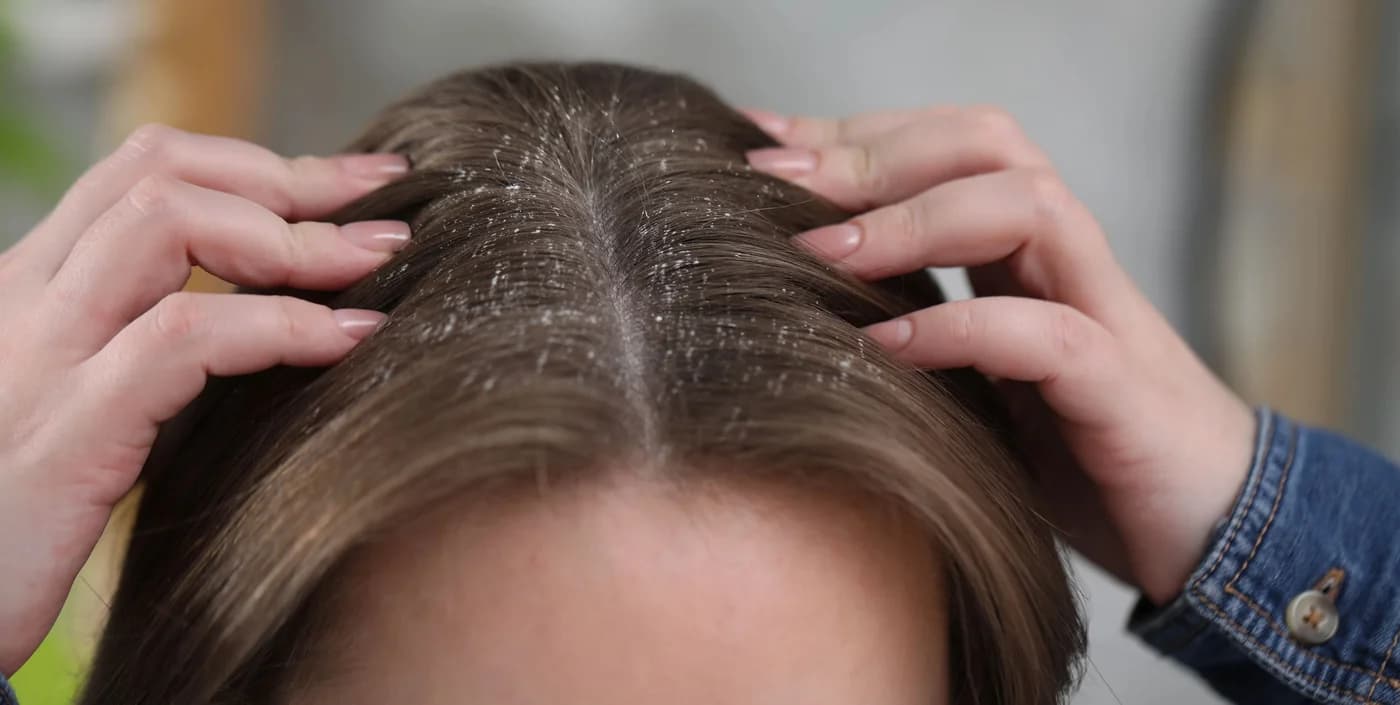
Dandruff usually shows up as loose white or yellowish flakes on the scalp, hair and shoulders, often with itching. It tends to come and go, and many people notice it is worse at some times of year or during busy, stressful periods.
Other conditions can look similar. Psoriasis, eczema, a contact allergy to a hair product and fungal infection of the scalp can all cause flaking, redness or itch. If the pattern does not fit ordinary dandruff, or home care does not help, a proper diagnosis matters more than trying another product.
Choose an active ingredient
Anti-dandruff shampoos rely on specific active ingredients rather than fragrance or "natural" branding. Common examples include ketoconazole, zinc pyrithione, selenium sulphide, salicylic acid and coal tar. They work in different ways: some act against yeast on the scalp, while others help loosen and lift scale.
Availability, strength and directions vary by country and by product, so read the label rather than relying on the front of the bottle. A higher price or a longer ingredient list does not guarantee a better result.
How to shampoo properly
Technique makes a real difference. Apply the shampoo to the scalp itself rather than only to the lengths of the hair, massage it in gently and leave it on for the contact time stated on the label before rinsing well. Use it as often as the product directs; some are meant for more frequent use at first and less often once flaking settles.
Give one product a fair, consistent trial before judging it. Changing products every wash makes it impossible to tell what is working.
Conditioner belongs on the hair length
Anti-dandruff shampoo can leave the hair shaft feeling dry or rough even when the scalp needs the treatment. Apply conditioner mainly to the lengths and ends unless the product says otherwise, and rinse well. This separates scalp treatment from hair care, so you do not abandon an effective shampoo just because your hair feels less soft.
Alternate when response fades
Some people find that a shampoo that worked well becomes less effective over time. After an adequate trial, rotating between products with different active ingredients can help. The key is to change deliberately, not constantly, so you can still judge the response.
Hair-washing frequency
There is no single right washing schedule. An oily scalp may need more frequent washing to keep flaking under control, while tightly curled or dry hair needs a routine that also protects the hair shaft. Follow the directions for your medicated shampoo and plan ordinary washing around it.
Oil is not always soothing
Scalp oiling is a common habit, but heavy oil can worsen greasy scaling for some people, particularly when dandruff is linked to an oily scalp. If you do use oil, keep it brief, wash it out properly and stop if itching or redness increases.
Avoid irritating remedies
Undiluted lemon juice, vinegar, baking soda and essential oils are often suggested online, but they can burn or inflame the skin. A natural origin does not guarantee that something is safe for the scalp. Avoid applying anything strong or undiluted, and stop at the first sign of stinging, redness or soreness.
Do not scratch or pick at flakes. Scratching can injure the scalp, worsen inflammation and make infection more likely.
Clean tools and fabrics
Simple hygiene supports treatment. Wash pillowcases, hats, scarves, combs and brushes regularly. Do not share combs or brushes when an infection is possible, and dry the scalp after sweating or exercise rather than leaving it damp under a cap.
Stress and recurrence
Stress may coincide with flares, but dandruff is not a sign of poor hygiene or poor character. It is common, and it often returns after treatment stops. For many people the realistic goal is control rather than a permanent cure, using a medicated shampoo regularly as a maintenance routine, as the label suggests.
When to see a dermatologist
Home care is reasonable for mild, typical dandruff. Seek professional help if you notice:
- patchy hair loss
- pus, crusting or a painful scalp
- a rash that is spreading
- thick, raised plaques
- flaking that persists despite using an anti-dandruff shampoo correctly
A dermatologist can confirm the cause and recommend prescription treatment when needed. Anyone who is pregnant, managing a chronic condition or taking regular medicines should check before using a medicated product for long periods.
Editorial sources
Frequently Asked Questions
Related Articles
How to Stop Hair Fall — Causes, Exercises, and the Honest Daily Routine That Actually Works
Hair fall has multiple drivers — stress, nutritional deficiency, hormonal imbalance, poor scalp circulation, and genetics — and the right approach addresses these root causes systematically. See the exercises and daily routine.

Tea Tree Oil: Topical Uses, Evidence and Safety
Tea tree oil is an essential oil used on the skin for problems such as acne and athlete's foot. It is poisonous if swallowed.

Yoga for Hair Fall
Chronic cortisol elevation, poor scalp microcirculation, and hormonal shifts are the three most common and most correctable drivers of hair fall. See how.
