
Foods That Help You Sleep: 10 Everyday Options
Can what you eat help you sleep? From kiwi and fish to milk and nuts, here's what research says about foods that support better sleep.
Key Takeaways
- No single food is a sleeping pill, but your overall diet can affect sleep quality.
- In one study, eating two kiwis before bed helped people fall asleep faster.
- Diets with more fibre and less sugar and saturated fat are linked to deeper sleep.
- Milk, fish, nuts, seeds and whole grains are easy foods to include in Indian meals.
- Avoid heavy, spicy or very late dinners, and caffeine from the afternoon onwards.
Can Food Really Help You Sleep?
If you've ever been told to drink a glass of warm milk before bed, you already know the idea that food and sleep are connected. Research on specific "sleep foods" is still fairly limited, and many studies are small. But there's growing evidence that what you eat, and when you eat it, can affect how easily you fall asleep and how well you sleep.
It helps to think in terms of patterns rather than magic foods. A balanced diet with plenty of fibre, fruit, vegetables and protein supports better sleep, while late, heavy meals and too much sugar can disturb it. Within that, some foods have a little extra research behind them.
10 Foods That May Help You Sleep
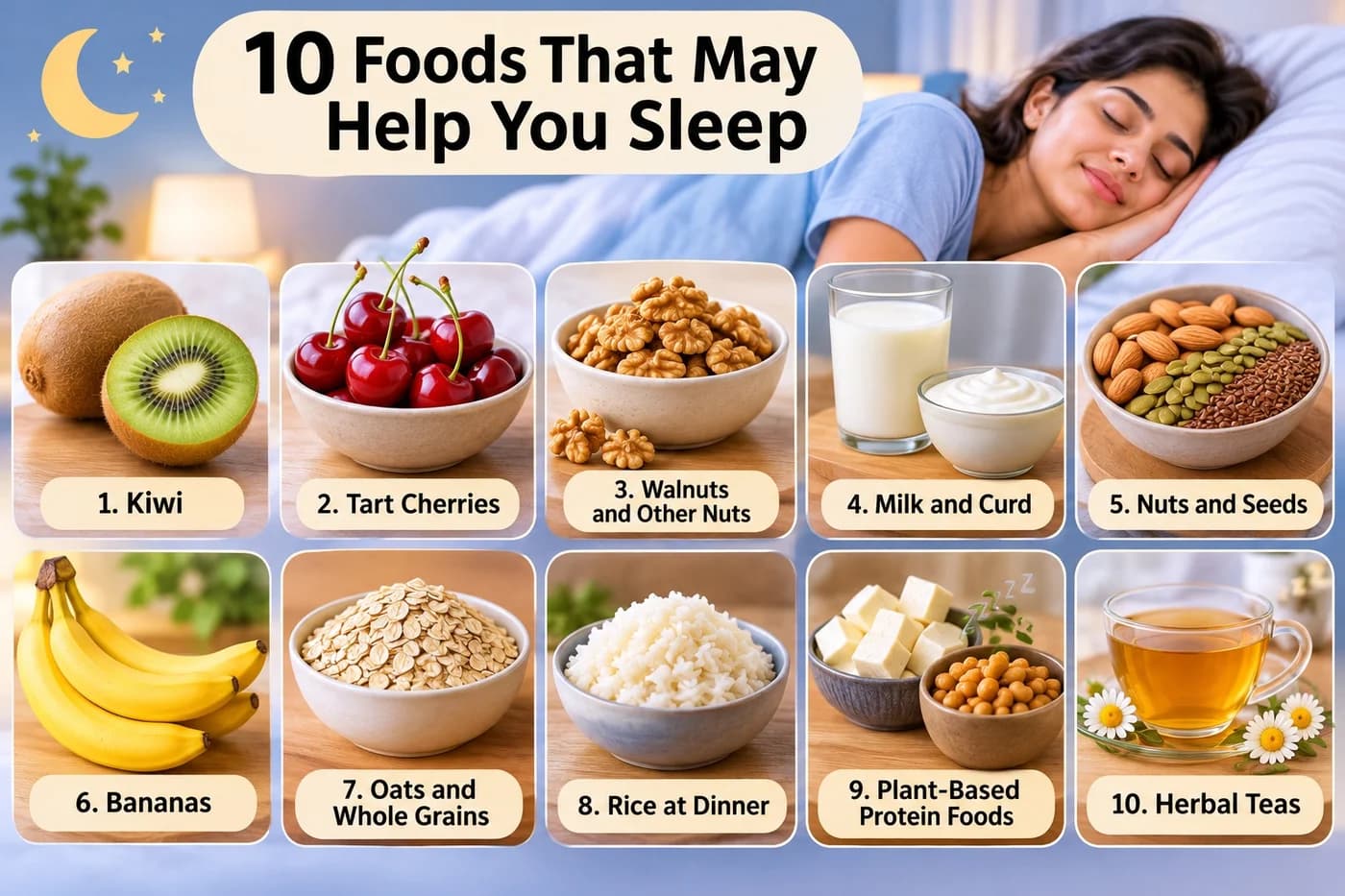
1. Kiwi
Kiwi has some of the most interesting research of any fruit. In a small study, adults who ate two kiwis one hour before bed every night for four weeks fell asleep about 35% faster, slept longer and had better sleep quality. Kiwis are now easy to find in Indian markets and make a light, refreshing evening snack.
2. Tart cherries
Tart cherries naturally contain melatonin, the hormone that helps regulate sleep. Some studies have found that tart cherry juice increased melatonin levels and improved sleep time. Tart cherries are less common in India, so this one is more of an option than a must.
3. Walnuts and other nuts
Walnuts are a plant-based source of omega-3 fatty acids, particularly alpha-linolenic acid (ALA). They also contain small amounts of melatonin. Almonds and other nuts provide magnesium and healthy fats. Including a small handful of nuts in your evening diet can add valuable nutrients that support overall health and may contribute to better sleep.
4. Milk and curd
Milk contains tryptophan, an amino acid the body uses to make serotonin and melatonin. A 2020 review found that a balanced diet including milk and dairy may support better sleep, though the studies were mixed and of low quality. Even so, a warm glass of milk is a calming part of many bedtime routines. Curd is a light, easy option if you want something small after dinner.
5. Nuts and seeds
Almonds, walnuts, pumpkin seeds and flaxseeds are good sources of magnesium and healthy fats. Magnesium plays a role in nerve and muscle function, and a small handful of pumpkin seeds or almonds provides useful amounts of this mineral. Nuts and seeds are an easy addition to your evening diet. Habuild also has a separate guide on magnesium and sleep.
6. Bananas
Bananas provide magnesium, potassium and some tryptophan, and they're a light, easy-to-digest snack if you're hungry before bed.
7. Oats and whole grains
Whole grains such as oats, brown rice, millets and whole wheat add fibre to your diet. Research suggests that diets higher in fibre are linked to deeper, more restful sleep.
8. Rice at dinner
Some research has found that a meal with high-glycaemic carbohydrates, such as white rice, eaten about four hours before bed helped people fall asleep faster. This doesn't mean you should eat large portions of rice late at night, but a normal portion of rice at an early dinner is fine for most people.
9. Plant-Based Protein Foods
Paneer, tofu, lentils, chickpeas, kidney beans and other pulses provide protein, including tryptophan. These foods also supply nutrients such as magnesium, iron and B vitamins. Including adequate plant-based protein at dinner helps you feel full and supports overall nutritional needs, although its direct effect on sleep is still being studied.
10. Herbal teas
Strictly a drink rather than a food, caffeine-free herbal teas such as chamomile are a calming way to end the day. Habuild has a separate guide on chamomile tea for sleep.
What Your Overall Diet Says About Sleep
A study from Columbia University found that eating less fibre and more saturated fat and sugar during the day was linked to lighter, less restorative sleep with more awakenings. In other words, the whole day's meals matter, not just the snack before bed. Building most meals around vegetables, whole grains, pulses, fruit and lean protein supports better sleep as well as better overall health.
Foods and Drinks to Avoid Before Bed
Caffeine is the biggest one: tea, coffee, colas, energy drinks and dark chocolate can all keep you awake if you have them in the afternoon or evening. Heavy, oily or very spicy dinners can cause indigestion and heartburn when you lie down. Alcohol may make you sleepy at first, but it disturbs sleep later in the night. Very sugary desserts late at night can also leave you feeling unsettled.
When to Eat for Better Sleep
Try to finish dinner two to three hours before bed so your body has time to digest. If you're genuinely hungry later, choose a small, light snack such as a banana, a few nuts, a kiwi or a small bowl of curd, rather than a full meal.
A Simple Sleep-Friendly Day of Eating
You don't need special recipes. A sleep-friendly day might start with oats or poha with nuts, include a lunch of dal, sabzi, rice or roti and salad, and end with an early dinner such as fish curry or paneer with vegetables and a small portion of rice. If you want something later, a kiwi, a banana or a small bowl of curd is enough. The key is regular meal times, plenty of fibre and an early, moderate dinner.
Food Is One Part of Good Sleep
No food can make up for an irregular schedule, late-night screens or ongoing stress. Good sleep comes from a combination of habits: regular bedtimes, daylight in the morning, physical activity during the day and a calm wind-down at night. If you still struggle to sleep despite healthy habits, speak to a doctor.
How Habuild Can Help
Habuild's live sessions combine yoga, exercise and breathing, which support both healthy eating habits and better sleep. The Habuild app's Water Reminder helps you drink enough during the day, so you don't need to catch up late at night, and the Box Breathing habit is a calm way to wind down.
Editorial Sources
- Lin et al. – Effect of kiwifruit consumption on sleep quality in adults with sleep problems (2011)
- Howatson et al. – Effect of tart cherry juice on melatonin levels and enhanced sleep quality (2012)
- Hansen et al. – Fish consumption, sleep, daily functioning, and heart rate variability (2014)
- St-Onge et al. – Fiber and saturated fat are associated with sleep arousals and slow wave sleep (2016)
- Afaghi et al. – High-glycemic-index carbohydrate meals shorten sleep onset (2007)
- Komada et al. – The effects of milk and dairy products on sleep: a systematic review (2020)
- Cleveland Clinic – Magnesium-Rich Foods
Health Disclaimer
This article is for general information only and is not medical advice. If you have diabetes, food allergies or another health condition, please consult a doctor or dietitian before changing your diet.
Frequently Asked Questions
Related Articles

Drinking Milk at Night: Nutrition, Sleep and Stomach Comfort
Nighttime milk can be comforting, but timing does not transform its nutrition. Choose an amount and routine that suit you.

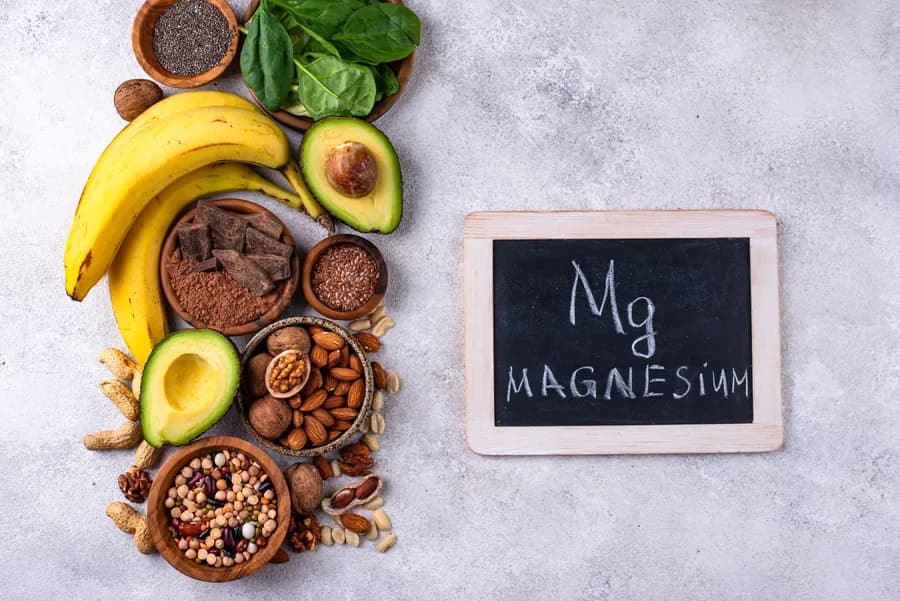
Magnesium for Sleep and Anxiety: Which Form Works Best
Magnesium helps regulate the nervous system and the calming neurotransmitters that let your body wind down. See which form works best for sleep and.

Protein and sleep: how protein supports rest
Protein supports more than muscle — it plays a role in how well you rest too. See how a simple plate habit, using everyday Indian foods, can help.

Natural Melatonin: How to Boost It for Better Sleep
Natural melatonin isn't a sedative — it's a timing hormone your body releases in response to darkness. See what actually raises it, and when a supplement is worth considering.
