
How to Calm Your Mind: Yoga and Breathing Techniques for Instant Relief
A calm mind comes from specific neurobiological interventions — pranayama that elevates GABA, yoga that reduces cortisol, and focused attention that
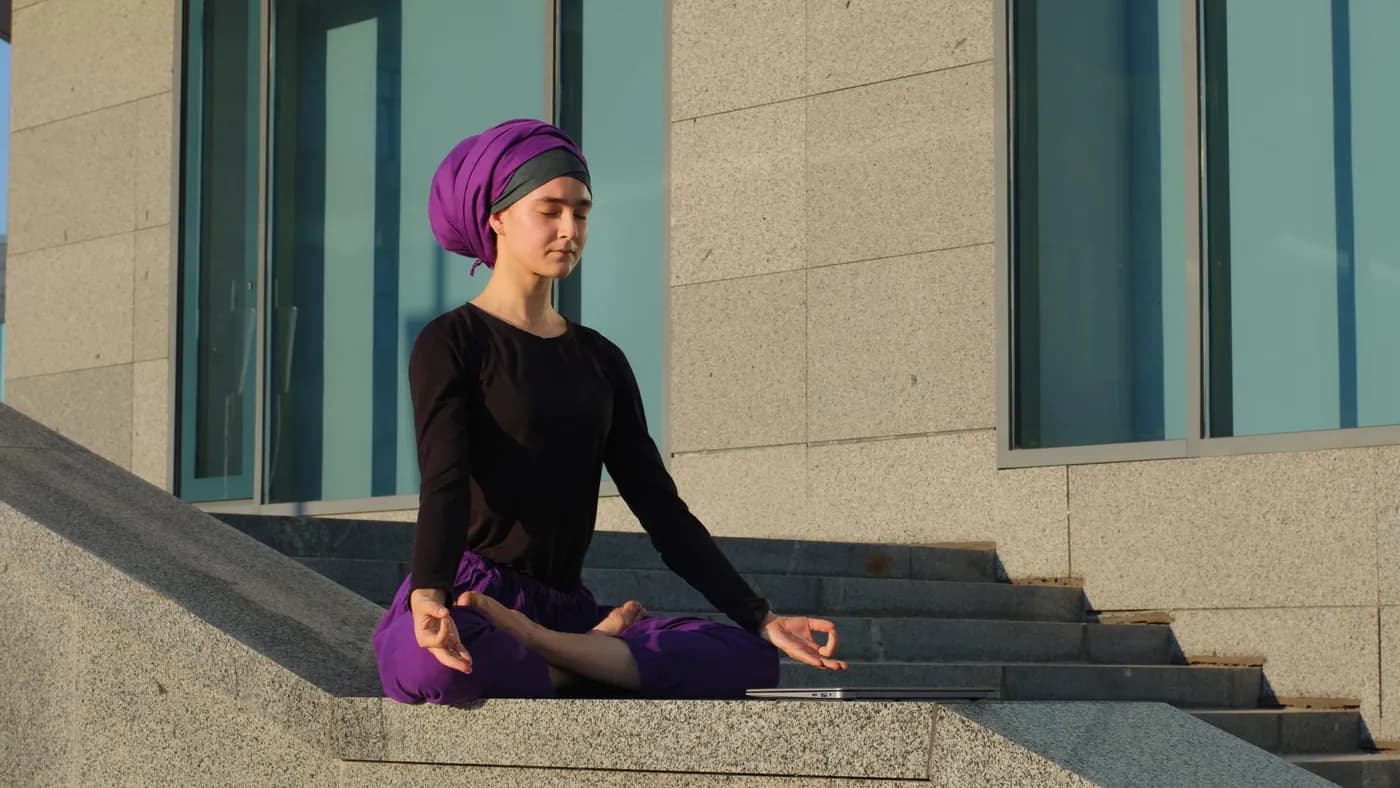
Key Takeaways
- Bhramari pranayama activates the vagus nerve within seconds through its resonant humming.
- Slow diaphragmatic breathing activates baroreceptors, lowering blood pressure within 90 seconds.
- Builds vagal tone over time – the strength and responsiveness of the parasympathetic system itself.
- Distinguishes calming through distraction or willpower from calming through direct physiology.
- Some techniques here produce measurable calming effects within mere seconds to minutes.
- The goal is making calm the mind’s default state, not something requiring ongoing effort.
A calm mind is not achieved through distraction, suppression or willpower — it is achieved through specific neurobiological interventions that directly reduce the sympathetic nervous system activation, cortisol elevation and default mode network hyperactivity that produce mental noise and anxiety. The most reliable and fastest methods for calming the mind are those that work physiologically: pranayama that elevates GABA through vagal stimulation, yoga poses that reduce cortisol, and focused attention practices that suppress the default mode network’s rumination. This guide covers the exact techniques that produce immediate and lasting mental calm.
Learning how to calm your mind when stress, anxiety or mental noise makes it difficult to think clearly, focus or simply rest is one of the most practically important skills available. The most effective methods for how to relax your mind from stress work at the physiological level — activating the parasympathetic nervous system through specific breathing techniques, yoga poses and mental practices that directly counteract the sympathetic arousal that mental stress produces. The good news is that several of these techniques produce measurable calming effects within seconds to minutes.
How to Calm Your Mind: Key Benefits of Daily Yoga and Breathwork
- Immediate Sympathetic Deactivation for Fast Mind Calming — How to calm your mind immediately requires direct parasympathetic nervous system activation. Bhramari pranayama activates the vagus nerve within seconds through resonant humming. Slow diaphragmatic breathing activates the baroreceptors that lower blood pressure and heart rate within 90 seconds. These immediate physiological calming mechanisms are available anywhere, at any time, without equipment or preparation.
- Cortisol Reduction That Calms the Restless Mind — The persistent mental noise that makes it difficult to relax your mind from stress is maintained by chronically elevated cortisol — the stress hormone that keeps the prefrontal cortex in a threat-vigilant state. How to relax your mind sustainably requires the daily cortisol normalisation that consistent yoga practice produces: not just immediate calming during practice, but progressively lower baseline cortisol that makes the mind calm as its default state rather than requiring effort.
- Default Mode Network Quietening for Mental Clarity — The default mode network (DMN) — the brain system responsible for rumination, worry and the mental replay loops that characterise an anxious or stressed mind — is directly quietened by pranayama and yoga movement-breath synchronisation. How to calm your mind from overthinking specifically requires DMN deactivation, which 10 minutes of Nadi Shodhana or focused yoga movement reliably produces.
- Long-Term Nervous System Resilience through Daily Practice — How to relax your mind from stress long-term requires building vagal tone — the strength and responsiveness of the parasympathetic nervous system. Daily yoga for mind calming progressively increases HRV, lowers resting cortisol and improves the speed of parasympathetic recovery after stress, making genuine mental calm increasingly automatic over months of consistent practice.
How to Get Started Calming Your Mind through Yoga
What You Need to Begin Calming Your Mind
No equipment required. The most powerful tools for how to calm your mind are your own breath and a comfortable seated or supine position. A quiet space and 10–20 minutes are sufficient for the most effective immediate mind-calming practices.
Setting Realistic Goals for Mind Calming
Immediate: Bhramari pranayama produces measurable calming within the first round. Short-term: 2–4 weeks of daily yoga practice reduces baseline anxiety and mental noise. Long-term: 8–12 weeks produces the structural HPA axis and vagal tone changes that make mental calm a default state rather than an achieved one.
Start with These Basics for Calming Your Mind
Begin with: 10 rounds of Bhramari pranayama (immediate calming), followed by 5 minutes of Child’s Pose (cortisol reset), followed by 10 minutes of Nadi Shodhana (DMN quietening). This 20-minute sequence is the most immediately effective approach for how to calm your mind from stress and anxiety available without any prior practice.
Best Yoga and Breathing Techniques to Calm Your Mind
Humming Bee Breath (Bhramari) — Fastest Technique for How to Calm Your Mind
Bhramari is the fastest available method for how to calm your mind — the resonant humming activates the vagus nerve within seconds, lowers cortisol and adrenaline, and produces the immediate mental quietening that most anxiety and stress management techniques take minutes to achieve. Ten rounds, performed with eyes closed and hands in Shanmukhi Mudra (blocking ears, eyes and nostrils gently). Difficulty: Beginner. See also: pranayama-benefits
Child’s Pose (Balasana) — Yoga Pose for How to Relax Your Mind
Child’s Pose is one of the most effective single yoga poses for how to relax your mind from stress — the forehead contact activates frontal bone vagal pressure receptors, the forward fold signals physiological safety to the hypothalamus, and the diaphragmatic breathing position optimises the respiratory pattern for parasympathetic dominance. Hold 5–10 minutes with slow nasal breathing. Difficulty: Beginner. See also: yoga-for-mind-relaxation
Alternate Nostril Breathing (Nadi Shodhana) — How to Calm Your Mind from Overthinking
Nadi Shodhana is the most evidence-supported technique for how to calm your mind from rumination and overthinking — it balances hemispheric activity, increases alpha wave production and deactivates the DMN within 10 minutes. Practise for 10–15 minutes before high-stress activities (important meetings, exams, difficult conversations) or whenever the mind needs calming. Difficulty: Beginner. See also: yoga-for-relaxation
Legs-Up-the-Wall (Viparita Karani) — How to Relax Mind from Stress at End of Day
Viparita Karani is the most complete method for how to relax your mind from stress at the end of a demanding day — gravity-assisted venous drainage, baroreflex activation and complete physical stillness together produce the most sustained parasympathetic dominance available in conscious practice. Ten to fifteen minutes reliably produces the mental relaxation that difficulty sleeping and end-of-day mental noise require. Difficulty: Beginner.
Yoga Nidra (Guided Deep Relaxation) — Deepest Method for Calming Your Mind
Yoga Nidra produces the delta wave brain activity of deep sleep in a conscious state — the deepest available method for how to calm your mind from chronic stress and mental overload. Twenty minutes of guided Yoga Nidra provides the neural reset that hours of ordinary rest cannot achieve for an overactivated mind. Nightly practice is the single most powerful tool for how to relax your mind from stress at a structural level. Difficulty: Beginner.
Common Mistakes When Trying to Calm Your Mind
- Mistake 1: Trying to Force Mental Calm through Willpower — How to calm your mind cannot be achieved through conscious effort to stop thinking — attempts to suppress thoughts actually activate the prefrontal monitoring system that increases the mental noise it is trying to reduce. The correct approach is physiological activation of the parasympathetic system through breath and body, which produces mental calm as an indirect consequence rather than a forced outcome.
- Mistake 2: Using Screens to Relax the Mind — Screen use activates the visual cortex, elevates blue light-driven cortisol and maintains the sympathetic nervous system engagement that how to relax your mind from stress specifically requires to disengage. Replacing pre-sleep screen time with Viparita Karani and Yoga Nidra is the single most impactful daily change for chronic mental overactivation.
- Mistake 3: Only Calming the Mind During Acute Stress — How to calm your mind effectively long-term requires daily practice during non-stressful periods — building the vagal tone and cortisol baseline that makes the mind naturally calmer rather than only intervening reactively when stress peaks.
- Mistake 4: Shallow Breathing That Maintains Mental Arousal — Shallow chest breathing maintains the sympathetic nervous system activation that keeps the mind agitated. How to relax your mind from stress begins with conscious transition to slow, full diaphragmatic nasal breathing — the respiratory pattern that directly activates the parasympathetic state.
Who Should Try Yoga to Calm Their Mind?
- Complete Beginners to Mind Calming Practice — Bhramari pranayama, Child’s Pose and Nadi Shodhana are completely beginner-accessible and provide immediate mind-calming benefits without any prior yoga experience.
- Working Professionals Who Cannot Switch Off — An evening yoga for how to calm your mind session provides the cortisol reset and mental deactivation that the modern working brain requires to genuinely rest between demanding days.
- People Who Have Tried Other Mind Calming Methods Without Success — If mindfulness apps, therapy and breathing exercises have not produced the sustained mental calm sought, yoga provides the physiological parasympathetic activation that maintains the neural conditions for genuine mental rest.
- Anyone Seeking a Sustainable Long-Term Mind Calming Practice — Daily yoga for how to calm your mind builds the vagal tone and cortisol baseline that make mental calm progressively more automatic — long-term practitioners describe their minds as genuinely quieter rather than requiring effort to calm.
Build a Healthier Life with a Routine That Actually Works
Getting results with calming the mind and reducing stress is not about random effort — it is about consistency, the right guidance, and following a structured daily plan. With the right support, you can make lasting progress from home and see real improvements over time.
What You Get with Habuild’s Daily Programme:
- Daily live guided yoga and strength sessions
- Beginner to advanced progression built in
- No-equipment, home-friendly workouts
- Expert guidance to ensure correct form and safety
- Community support to keep you consistent
Start for ₹1 — First 7 Days for ₹1
Our Other Yoga and Fitness Services:
Frequently Asked Questions
Related Articles
How to Reduce Anxiety Immediately: 7 Techniques That Calm You Down Fast
Acute anxiety episodes respond to techniques that address the body-mind connection through breath, movement, and grounding, working within minutes. See


How to Control Your Emotions: a Practical Guide to Emotional Regulation
Emotional regulation is a learned skill, not a personality trait — breath work, movement, and cognitive techniques help you respond to emotions instead of

How to Focus on Studies: Yoga, Exercises and Daily Habits for Better Concentration
Focus isn't primarily a matter of willpower — it's a neurobiological state governed by prefrontal cortex activity, working memory, and cortisol levels.