
How to Control Your Emotions: a Practical Guide to Emotional Regulation
Emotional regulation is a learned skill, not a personality trait — breath work, movement, and cognitive techniques help you respond to emotions instead of
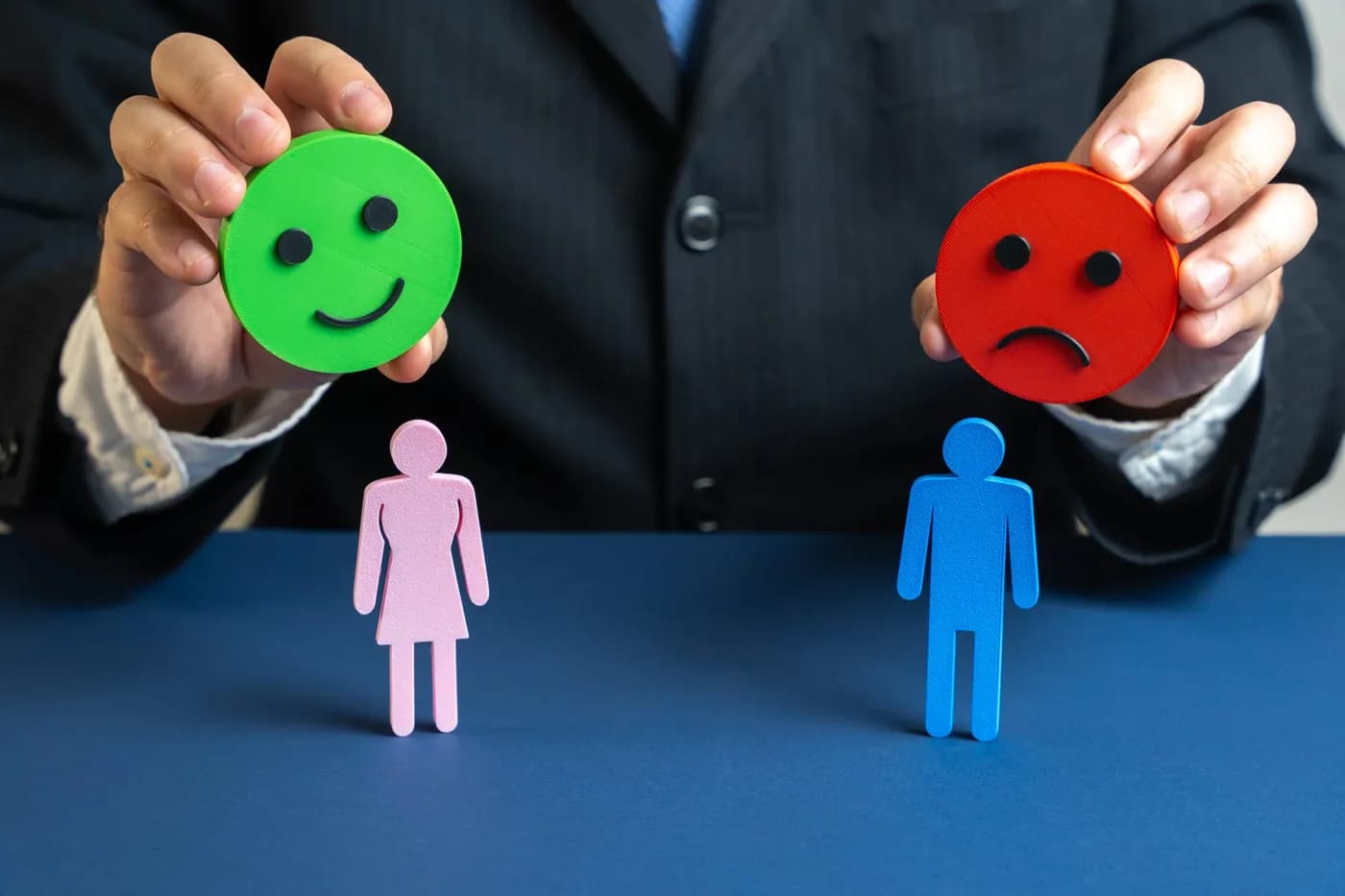
Key Takeaways
- The pause-before-response technique substantially cuts reactive anger episodes over 6-8 weeks.
- Pascoe et al.’s systematic reviews found measurable cortisol reductions after 4-8 week protocols.
- Most relationship conflict is framed as coming from reaction, not the underlying issue itself.
- Emotional regulation creates a gap between feeling and action – where good decisions happen.
- Chronic emotional dysregulation is linked to blood pressure, digestive issues, and chronic pain.
- Six months of daily practice produces measurably more resilience than years of intermittent effort.
Emotional regulation is a learned skill, not a personality trait. Whether you struggle with anger, anxiety, relationship conflict, or general overwhelm, the techniques below help you respond to emotions instead of reacting. This guide covers how to control your emotions through breath work, movement, and cognitive techniques. The methods are practical and grounded in research on contemplative practice and stress physiology.
Important Note: Emotional regulation techniques support general wellbeing but do not replace professional mental health care. If you are experiencing severe anxiety, depression, panic attacks, or thoughts of self-harm, please reach out to a mental health professional. The exercises below complement therapy, not replace it.
7 Benefits of Learning to Control Your Emotions
- Reduces Reactive Anger and Conflict — Practising the pause-before-response technique substantially reduces reactive anger episodes for most practitioners over 6 to 8 weeks of daily work, with the largest gains coming when the technique is paired with consistent breath practice.
- Improves Relationships — How to control your emotions in a relationship starts with recognising the trigger before reacting. Most relationship conflict comes from reaction, not from the underlying issue.
- Lowers Daily Stress and Anxiety — Daily breath work and movement support lower baseline stress, with research on yoga and contemplative practice (Pascoe et al., systematic reviews) consistently finding measurable reductions in cortisol after structured 4 to 8 week protocols.
- Improves Sleep Quality — Unprocessed daily emotion is one of the leading causes of poor sleep. Daily emotional regulation practices improve sleep onset and depth.
- Enhances Decision-Making — Emotional regulation creates a gap between feeling and action. The gap is where good decisions happen.
- Supports Mental and Physical Health — Chronic emotional dysregulation drives many physical health issues including blood pressure, digestive issues, and chronic pain.
- Builds Long-Term Resilience — The ability to manage emotions compounds over time. Daily practice for 6 months produces measurably more resilience than years of intermittent effort.
How to Get Started Controlling Your Emotions
What You Need to Begin
Nothing physical. A quiet 10 minutes a day, ideally morning. The techniques below need no equipment.
Setting Realistic Goals
Aim for one practice session daily. Skip sessions when life is overwhelming, but return the next day. Consistency over intensity is what builds the skill.
Start with the Basics
Box breathing and the body scan technique are the foundation. Master these before adding deeper meditation or cognitive work. Many of these techniques pair with broader yoga for mental health, which combines movement, breath work, and meditation.
Best Techniques for Controlling Emotions
Box Breathing
Inhale for 4 seconds, hold for 4 seconds, exhale for 4 seconds, hold for 4 seconds. Repeat 5 times. Use it in the moment of emotional escalation. Activates the parasympathetic nervous system within 60 to 90 seconds.
The Pause Technique
When you feel a strong emotional reaction, pause for 10 seconds before saying or doing anything. The pause is what separates reaction from response. Most regrets come from the absence of this pause.
Body Scan
Lie or sit quietly. Move your attention slowly from head to toes, noticing sensation without judgment. Practise 5 to 10 minutes daily. Builds awareness of emotion in the body before it escalates.
Cognitive Reframing
When a strong emotion arises, ask: what is the story I am telling myself about this situation? Most strong emotions come from the story, not the situation. Examining the story reduces the emotion.
Movement Practice
20 minutes of any moderate exercise (walking, yoga, strength training) reduces acute stress and emotional reactivity for several hours afterwards. The carryover into how you respond to events is significant.
Journaling
Writing emotion onto paper externalises it. 5 minutes of unfiltered writing about what you feel reduces the intensity meaningfully. Particularly useful for processing emotions in a relationship.
Common Mistakes to Avoid
- Suppressing Emotions Instead of Regulating — Suppression is not regulation. Pushing emotions down increases their intensity. Regulation is feeling and processing, not avoiding.
- Trying to Control Everything at Once — Pick one trigger to work on. Master regulation around that trigger first. Trying to manage every emotional pattern simultaneously usually fails.
- Skipping Practice on Difficult Days — The hardest days are when practice matters most. Even 2 minutes on a hard day is more useful than 20 minutes on an easy one.
- Confusing Self-Care with Avoidance — Watching TV is not emotional regulation. True regulation engages with the emotion. Avoidance is a temporary fix that reinforces the pattern.
Who Should Try Emotional Regulation?
- Working Professionals — High-pressure workplaces accelerate emotional dysregulation. Daily 10-minute practice produces measurable change in workplace responses within 6 weeks.
- Parents — Parenting tests emotional regulation more than any other relationship. The pause technique alone transforms parent-child interactions.
- Couples — How to control your emotions in a relationship starts with recognising the trigger before reacting. The shared practice of emotional regulation is one of the strongest predictors of relationship longevity.
- Students and Young Adults — Emotional regulation skills built early compound across life. Starting in the 20s produces decades of benefit.
Build Strength with a Routine That Actually Works
Emotional regulation, like physical fitness, is a daily practice that compounds over time. With the right support, you can build the routine that supports both body and mind. Habuild’s structured programme combines movement, breath work, and community in the same approach you will find in yoga for stress management, which addresses the body-mind connection through structured daily practice.
What you get with Habuild’s Strong Everyday Programme:
- Daily live guided strength and yoga sessions
- Beginner to advanced progression
- No-equipment and home-friendly workouts
- Expert guidance to ensure correct form
- Community support to stay consistent
Emotional regulation and yoga share the same foundation: the ability to pause and breathe before reacting. Pranayama practices slow the breath deliberately, signalling the nervous system to shift out of a reactive state, while the focus demanded by asana gives the mind repeated practice at staying present instead of spiralling into old patterns. A simple entry point into this kind of practice is Habuild’s free yoga challenge, which offers guided sessions pairing movement with breath work.
Frequently Asked Questions
Related Articles
How to Calm Your Mind: Yoga and Breathing Techniques for Instant Relief
A calm mind comes from specific neurobiological interventions — pranayama that elevates GABA, yoga that reduces cortisol, and focused attention that

How to Reduce Anxiety Immediately: 7 Techniques That Calm You Down Fast
Acute anxiety episodes respond to techniques that address the body-mind connection through breath, movement, and grounding, working within minutes. See

How to Improve Mental Health: 10 Daily Practices That Actually Work
Sleep, movement, social connection, breath work, and time outdoors all contribute measurably to mental health, more than any single intervention. See all