
How to Control Pimples on the Face: A Routine You Can Keep
A simple, consistent routine can help control acne without harsh scrubbing. Learn where treatment fits and when early help can prevent scars.

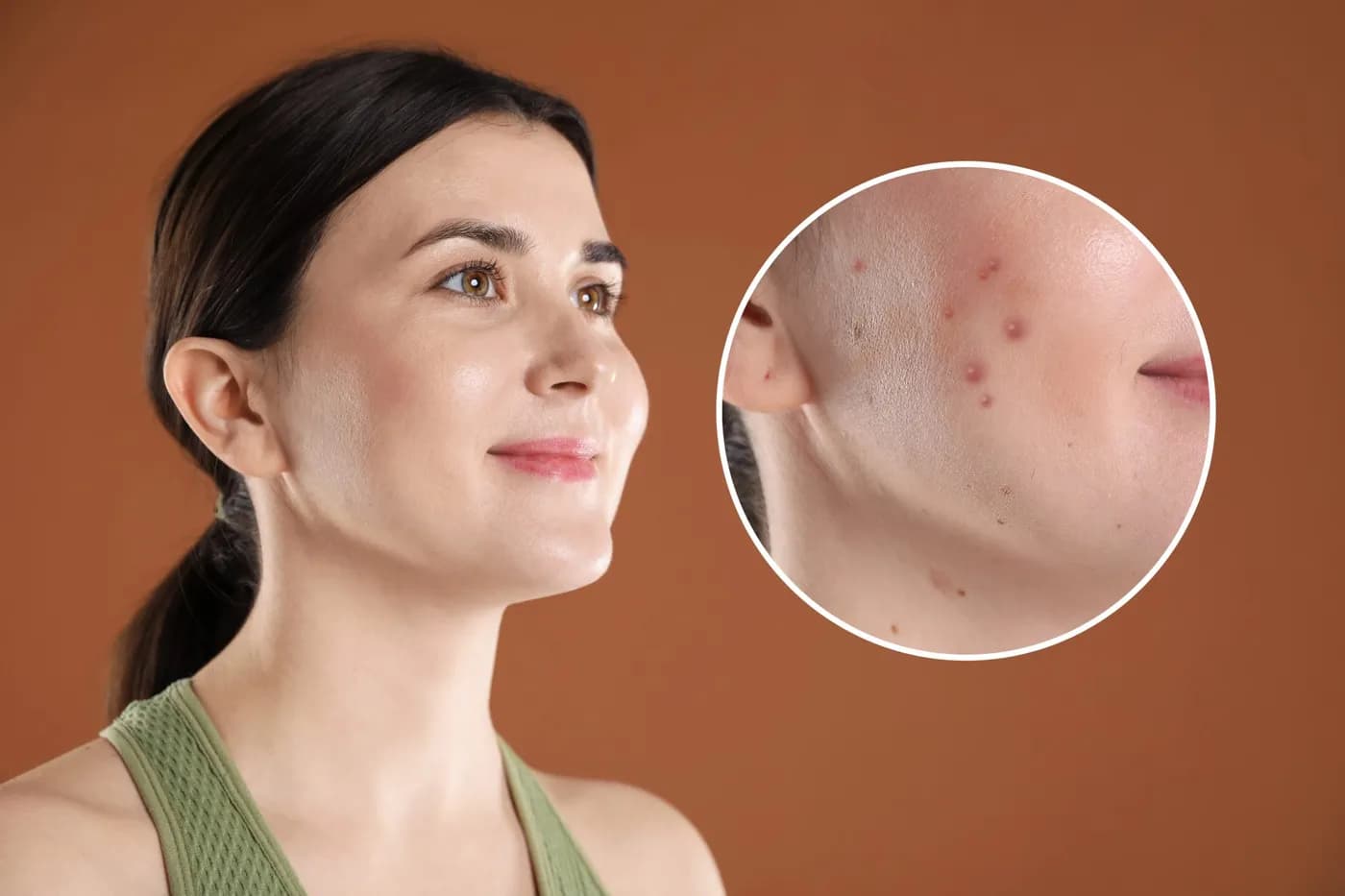
Key Takeaways
- Cleanse gently; scrubbing makes pimples worse.
- Keep using moisturiser and sunscreen.
- Start one treatment and give it time to work.
- See a doctor for painful or scarring acne.
When pimples appear, it is tempting to scrub harder, dry the skin out or try three new products at once. Those changes can irritate the skin and make it harder to tell what helps. A simple routine and an appropriate acne treatment usually offer a better starting point.
Acne is common and is not a sign that your face is dirty. Mild breakouts can often improve with consistent care, while painful, scarring or persistent acne deserves earlier treatment. You do not have to wait until it becomes severe to ask for help.
Start with gentle cleansing
Wash your face up to twice a day and after heavy sweating, using a mild cleanser and lukewarm water. Use your fingertips rather than a rough cloth, brush or grainy scrub.
Washing repeatedly through the day does not remove the causes of acne. It can leave the skin dry, sore and more reactive. If your face feels tight or burns after cleansing, the routine may be too harsh.
Keep moisturiser and sunscreen
Oily skin can still need moisturiser, particularly when acne treatment causes dryness. Choose a product described as non-comedogenic or suitable for acne-prone skin, and use a comfortable amount.
In the daytime, use broad-spectrum sunscreen with SPF 30 or higher. This supports skin protection and can help prevent post-pimple marks from becoming darker with sun exposure.
You do not need a long routine. A gentle cleanser, suitable moisturiser, sunscreen and one well-chosen treatment can be easier to use consistently than a shelf of exfoliating products. Expensive packaging does not establish that a product will suit you better.
Choose one treatment to begin with
Benzoyl peroxide is an established acne treatment, particularly for inflamed pimples. A lower-strength product can be a reasonable starting option for suitable users; stronger is not automatically better. Use the instructions for the specific formulation.
Start on a small area for the first few days to check tolerance, then apply a thin layer as directed. Avoid the eyes, lips and damaged skin. It can cause dryness or irritation and can bleach towels, pillowcases and clothing.
If irritation is mild, less frequent use and moisturiser may help. Stop and seek advice for marked swelling, blistering or a significant reaction. Adding another acid or scrub to compensate for irritation is unlikely to improve things.
Other treatments have different roles
Topical retinoids, such as adapalene, can help prevent blocked pores and are commonly used in acne care. They need gradual, consistent use and may cause irritation at first.
Retinoids should not be used during pregnancy or when trying to conceive. If pregnancy is possible or you are breastfeeding, choose treatment with guidance appropriate to that situation rather than copying someone else’s routine.
Prescription antibiotics, hormonal treatments and isotretinoin are options for particular cases. They are not medicines to borrow or start casually. Antibiotics also need an appropriate combination and duration, rather than being used indefinitely as a spot cream.
Give a sensible routine time
Acne treatment is not an overnight process. It commonly takes six to eight weeks to start seeing fewer breakouts, and fuller improvement may take longer.
Changing the active ingredient every few days can interrupt progress and increase irritation. If you tolerate the routine, give it a reasonable trial rather than deciding it has failed after one new pimple.
Stop squeezing and harsh home remedies
Picking can increase inflammation and the chance of persistent marks or scars. Keep nails away from spots and avoid tools used to extract them at home.
Toothpaste, lemon juice, baking soda and strong undiluted essential oils can irritate or burn skin. Their ability to sting does not show that they are treating acne effectively.
Avoid fairness or combination creams containing steroids unless prescribed for a specific reason. Steroid misuse can worsen acne-like eruptions and damage facial skin. A quick reduction in redness does not make a cream suitable for continued self-use.
Notice what touches your face
Heavy hair oils or styling products around the forehead can contribute to breakouts for some people. If the spots cluster there, keep those products away from the skin and change oily pillowcases or headwear regularly.
Makeup does not have to be banned. Choose suitable products, remove them gently before bed and clean applicators regularly. Avoid sharing products that contact inflamed skin.
Food changes should stay proportionate

Some evidence links high-glycaemic eating patterns with acne, and dairy may be relevant for some people. That does not establish a universal diet that clears everyone’s skin.
Regular meals with pulses, vegetables, whole grains and other nourishing foods are sensible. Cutting back on frequent sugary drinks can be useful without removing several food groups at once.
If you suspect a particular supplement, such as whey, worsens breakouts, a planned pause may help you observe the pattern. Avoid crash diets or assuming every spot proves that a food was harmful. Acne is influenced by hormones, genetics and other factors too.
When to get help earlier
Deep painful lumps, scarring, widespread acne or breakouts that are affecting confidence or mood deserve professional treatment. Acne alongside irregular periods or new excess facial hair may also need assessment for an underlying hormonal issue.
Seek advice when a consistent, tolerated routine has not helped after a reasonable trial. A dermatologist can adjust treatment rather than simply add more products.
The aim is fewer new pimples and less irritation, not perfectly filtered skin. A small routine you can keep is a useful first step, and timely treatment can prevent a mild-looking problem from leaving longer-lasting scars.
Editorial sources
Frequently Asked Questions
Related Articles
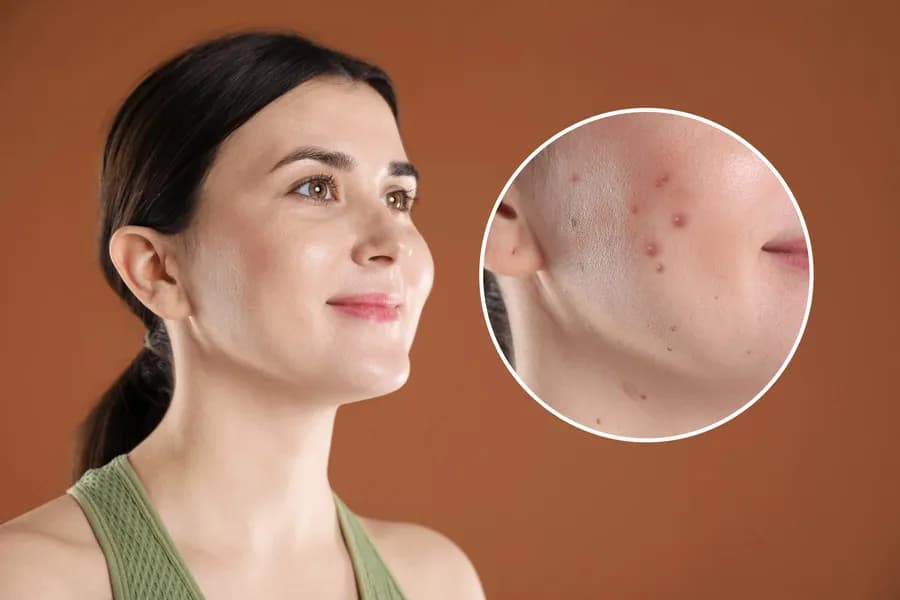
Home Remedies for Pimples: What Helps and What Can Harm Skin
Acne forms when pores become blocked and inflamed, and hormones, oil production, bacteria and genetics can all contribute to it. Learn what helps.
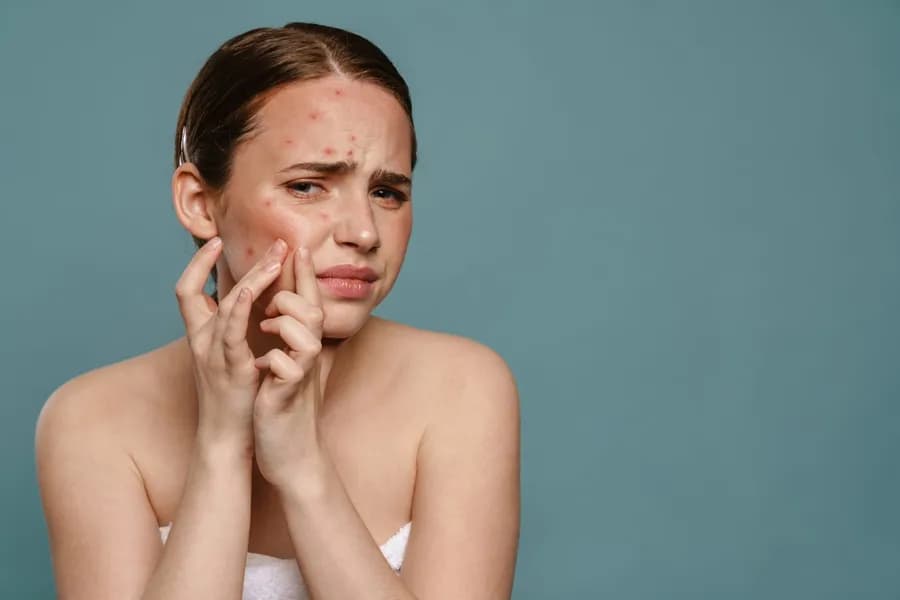
Pimples Kaise Kam Kare – योग से पाएं साफ त्वचा
Pimples kaise kam kare? जानिए योग के ज़रिए मुंहासों को धीरे-धीरे कम करने के असरदार तरीके। Habuild के साथ शुरू करें 14-day free trial में।

Best Foods for Skin: What Actually Helps
No single food clears acne or erases wrinkles, but a varied diet supports your skin, while sunscreen, sleep and good skin care do much of the work.

Skin Ko Healthy Kaise Rakhe: योग और सही आदतों से पाएं चमकती त्वचा
Lungs ko strong kaise banaye — jaanein best yoga asanas, breathing exercises aur daily habits jo lungs ki capacity badhane mein madad karti hain. Abhi.